
Script and Strategy for Waiving Your Overdraft Fee
Step by step guide on how to call your bank or credit union and politely negotiate a one time courtesy refund for an overdraft charge.

Guides in this section
Browse the guides that belong to this section.
Understanding the Nuances of Waiving Overdraft Fees
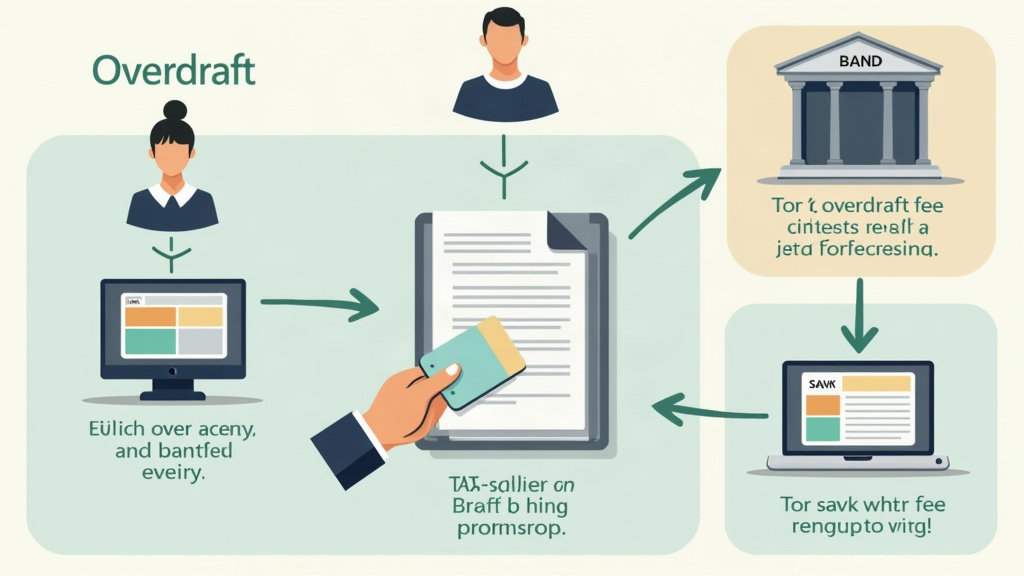
When it comes to bank policies regarding overdraft fees, many people find themselves confused or misinformed. It’s common for individuals to assume that once a fee has been charged, there’s little they can do to reverse it. This misunderstanding can lead to unnecessary financial strain, particularly for those who are already managing tight budgets. The reality is that engaging with your bank to potentially waive a fee is a process that requires nuance, patience, and strategy.
Deciding whether to pursue a waiver can often feel like a gamble. There are risks involved; for instance, a poor interaction with a bank representative could not only yield no results but could negatively affect future interactions. Furthermore, not all banks have the same policies or willingness to negotiate, which complicates the decision-making process. Understanding these intricacies can help you feel more empowered and prepared when you reach out.
Simple advice such as “just ask” doesn’t fully encompass the complexities involved in effectively waiving an overdraft fee. Factors such as your banking history, the frequency of overdrafts, and the specific terms of your account can all influence your chances of success. Without an informed approach, it’s easy to miss out on potential opportunities to alleviate this financial burden.
Why do many people assume they can't negotiate overdraft fees?
A common misconception is that banks operate with rigid rules when it comes to fees, leaving little room for negotiation. Many individuals feel intimidated by the prospect of calling their banks and asking for consideration. This fear can stem from previous negative experiences or a lack of understanding about their rights as customers. It’s crucial to highlight that while banks do have policies, customer service agents often have discretion in certain situations, especially if the request is made politely and professionally.
In reinforcing this mindset, banks may inadvertently discourage customers from initiating discussions about fee reversals. When consumers believe that they are powerless in dealing with fees, the chance of successfully negotiating waivers diminishes significantly. Realizing that agents are there to help can alter this dynamic and encourage individuals to seek out conversations that could lead to favorable outcomes.
Additionally, there's the influence of anecdotal experiences. Many might have heard stories where friends or family members failed to waive fees, which can create a defeatist attitude. This pervasive narrative can inhibit proactive engagement with banking representatives, perpetuating the belief that negotiating is futile.
What happens when a request to waive a fee is denied?
A denial can feel disheartening, but it’s essential to approach the situation with a clear perspective on the broader picture. The first response you receive may not be the final word. Different representatives have varying levels of authority, and another interaction could yield a different result. It’s vital to remain calm and courteous, as escalation sometimes leads to better outcomes.
After a denial, it’s beneficial to analyze the reasons provided. If the representative cites specific policies, such as a history of repeated overdrafts, this can inform your next conversation. You might consider adjusting your approach, emphasizing your previous positive relationship with the bank, or sharing your current financial situation. This can provide context and potentially sway the decision in your favor, especially if you express that you're taking steps to improve your financial habits.
Moreover, keep in mind that while it’s disappointing at first, a denial is not necessarily the end of the road. Many banks have multiple departments, and sometimes, going higher up the ladder can yield results. Persisting respectfully can reflect positively on you as a customer, potentially leading to future leniency in similar situations.
Is it actually better to call for a fee waiver or to use online chat options?
Choosing between calling and utilizing online chat options can significantly impact your chances of obtaining a fee waiver. While online chat may seem quicker or less intimidating, it often lacks the same personal touch and negotiation potential that a phone call offers. One-on-one conversations allow for immediate clarification, rapport building, and a sense of urgency that messages on a screen simply can't replicate.
When you call, you're able to convey tone and nuance—elements that are lost in text. This can be crucial when negotiating, as a polite and friendly demeanor can set a positive stage for your request. Additionally, calling often allows you to be placed in contact with representatives who have more authority to make exceptions than those manning online chat options.
However, it’s worth considering that some individuals may feel more comfortable expressing themselves through written communication. In this case, it’s essential to craft a thoughtful message that conveys all relevant information and maintains professionalism. Ultimately, the decision hinges on your comfort level and communication skills; understanding these nuances can ensure you engage in the most effective strategy for your situation.
What do most people misunderstand about bank policies on overdraft fees?
A frequent misunderstanding revolves around the assumption that overdraft fees are universally applied without exception. In reality, banks may have specific circumstances under which they are willing to waive fees, particularly for long-standing customers or in instances of financial hardship. Recognizing that banks often value customer relationships can empower consumers to engage more actively in requests.
Additionally, many believe that overdraft fees are punitive and merely designed to collect revenue. While they serve to act as a deterrent against overdrawing accounts, these fees can also prompt banks to evaluate customer behavior. A more collaborative approach, emphasizing mutual benefit and understanding, could lead to better results for both parties involved.
Furthermore, there’s the misconception that one negative transaction will irrevocably damage a bank relationship. In truth, many banks are keen on retaining customers and will consider waivers as part of customer service. Understanding these dynamics can significantly enhance your approach and empower you to negotiate effectively.
How does this affect long-term outcomes with your bank?
Understanding the negotiation process for fee waivers can yield significant long-term benefits when it comes to managing your banking relationship. Successfully waiving fees not only provides immediate financial relief but also sets a precedent for future interactions. It demonstrates to your bank that you are an engaged customer who values and utilizes the resources available to you.
Building a rapport with your bank can lead to advantageous outcomes in various forms, such as lower fees, increased borrowing limits, or even alerts about better account options tailored to your needs. Banks are more inclined to prioritize customers who demonstrate proactive engagement and responsibility, as it indicates a likelihood of retaining those customers long-term.
Moreover, actively participating in fee negotiations can help cultivate financial literacy. Each interaction enriches your understanding of banking policies and your rights as a consumer. This knowledge can arm you for future financial conversations, establishing you as a more confident and capable customer in your banking journey.
What role does customer history play in fee waiving requests?
Customer history is a pivotal element that banks consider when determining fee waiving requests. A solid banking relationship characterized by consistent, responsible management of your account can greatly enhance your chances of successfully negotiating waivers. For instance, if you have a lengthy history of maintaining a positive balance and no prior overdrafts, banks are often more inclined to view your situation as an isolated incident rather than a pattern of behavior.
Conversely, if your account has a history marked by frequent overdrafts, it may raise red flags for bank representatives. This does not mean that waivers are impossible, but it may require a more detailed explanation of your circumstances and a plan to improve account management moving forward. Being transparent about your situation can demonstrate accountability and the desire to improve, which could sway the decision in your favor.
Ultimately, strong customer history can act as a buffer for occasional missteps, and engaging with your bank in a respectful manner could transform experiences into opportunities. Establishing trust with your bank is a long-term investment that pays off in many ways, including favorable treatment during negotiations.
What strategies can increase your chances of success when requesting a fee waiver?
Employing the right strategies when requesting a fee waiver can significantly determine your success. Preparation is key—start by reviewing your bank’s fee policies, being aware of how often you’ve overdrawn, and considering your overall banking relationship. Have specific facts ready to present, such as loyalty to the bank, positive past banking habits, or the reasons behind your current situation.
Approaching the conversation with empathy can also enhance your chances. Acknowledging the policies of the bank and thanking the representative for their time establishes a cooperative tone. This humanizing aspect can encourage empathy from the other side, making them more inclined to assist you beyond their standard protocol. If the representative is unable to help, politely expressing gratitude and requesting to escalate the conversation can open doors to further negotiation.
Moreover, being aware of your bank’s timing can play a critical role. Calling during off-peak hours or towards the end of the month might lead to representatives who have more time to explore flexibility and solutions. Crafting your ask with a focus on maintaining a long-term relationship rather than as a transactional request can also shift the discourse, making it easier for the representative to sympathize with your situation and consider waiving the fee.
Master the Art of Negotiating Overdraft Fees with Confidence

When it comes to banking, navigating fees can feel like walking a tightrope. Overdraft fees are among the most frustrating charges you can incur, often adding up quickly and impacting your financial health. Understanding how to effectively negotiate these fees is essential for maintaining your budget and avoiding unnecessary charges. As banks and credit unions can have varying policies regarding these fees, it’s crucial to arm yourself with the right strategies and insights before making that call.
While it may seem daunting, effectively communicating about overdraft fees can lead to significant savings and establish a better relationship with your bank. This process isn’t just about asking for a refund—it’s about understanding your rights, the bank's policies, and building your confidence for future financial interactions. With this knowledge, you'll be better equipped to handle your finances and reduce stress.
-
Understand Your Bank’s Policies
Before you pick up the phone, familiarize yourself with your bank's overdraft policies. Some institutions automatically waive fees for first-time occurrences, while others may have strict policies. Knowing these details can strengthen your case.
Check for specific terms related to overdraft fees, especially around the timeframes in which you can request a refund. Document your account history to present relevant information during your call.
-
Gather Relevant Information
Collect all necessary details that pertain to your overdraft situation. This includes your account number, the amount of the fee, the date it occurred, and any recent large transactions that may have impacted your balance. Making it easy for them to understand your issue will enhance your chances for a favorable outcome.
Additionally, be prepared to explain why the overdraft occurred, especially if it was a one-time oversight due to an unexpected expense or error.
-
Communicate Politely and Confidently
Your tone can make a huge difference when negotiating. Approach the conversation with a polite and confident demeanor. Express understanding of the bank's position while firmly stating your request for a fee waiver. This combination creates an engaging dialogue instead of an adversarial confrontation.
This informative video showcases how adopting the right tone and attitude can influence the outcome when discussing overdraft fees. It emphasizes that banks are often more willing to accommodate individuals who approach conversations with respect and goodwill.
By learning effective communication tools, viewers can feel empowered and prepared, making the daunting process of negotiating overdraft fees more manageable and successful.
-
Keep Records of Your Conversations
After your call, be sure to document the details of your conversation. Note the representative's name, the date of the call, and the specific agreements made regarding any refunds or waivers offered. Keeping this information will assist you in future negotiations and can help mitigate issues if they arise again.
A clear record can also be beneficial if discrepancies occur about your account in the future. It shows you’re an informed customer who pays attention to your banking interactions.
-
Explore Multiple Contact Channels
If your first contact doesn't yield results, don't hesitate to try multiple communication avenues. You can reach out through different platforms such as phone, email, or even social media channels. Each method may connect you with different representatives, increasing your chances of a positive outcome.
Sharing your experience on social media can also draw attention to your situation, as many banks monitor their online reputation closely and may respond more favorably in a public context.
-
Leverage Your Account History
If you’ve been a loyal customer with a good payment history, use that to your advantage. Mentioning your long-standing relationship with your bank can help strengthen your case, making them more likely to grant your request out of goodwill.
This video provides insights into how your history with the bank can work to your advantage when negotiating fee waivers. It underscores the importance of highlighting a positive banking relationship in conversations about financial penalties.
By reinforcing your account’s longevity and reliability, you demonstrate to the bank that waiving a fee is a small price to pay for retaining you as a customer.
-
Be Aware of Timing
Timing can significantly impact your success in negotiating a fee waiver. If you call immediately after the fee is charged, your chances may be better since the incident is fresh and the bank may want to maintain customer satisfaction.
Consider also the time of day and week when calling; calling during less busy hours could lead to a more personalized and engaging conversation.
-
Follow Up if Necessary
If your request for a fee waiver is denied, don’t lose hope. Politely ask if there’s a way to appeal the decision or if you can escalate your request to a supervisor. A persistent, respectful approach could yield better results than an immediate rejection.
Moreover, following up a few days later can remind them of your conversation and demonstrate your commitment to resolving the issue.
| Strategy | Pros | Cons |
|---|---|---|
| Understand Your Bank’s Policies | Strengthens your case, increases confidence | Requires preliminary research |
| Gather Relevant Information | Allows for a clear presentation of your situation | Time-consuming |
| Communicate Politely | Encourages cooperative outcomes | May require practice for some |
| Keep Records | Supports future negotiations | May seem tedious |
| Explore Multiple Contact Channels | Increases chances of success | Could be more time-intensive |
| Leverage Your Account History | Demonstrates loyalty and reliability | Not all banks value this equally |
| Be Aware of Timing | Can lead to immediate resolutions | May not always be practical |
| Follow Up if Necessary | Shows commitment to the issue | Can feel uncomfortable for some |
How to Effectively Request a Refund for an Overdraft Charge

Navigating conversations with your bank or credit union, particularly when it comes to negotiating refunds for overdraft fees, can be daunting. Many individuals hesitate to make that call due to a lack of confidence or fear of confrontation. This often leads to a reactive approach toward fees, instead of a proactive dialogue that could yield positive outcomes. The truth is, financial institutions have processes in place for handling these requests, and with the right approach, you can leverage these systems effectively.
Another common barrier is the misconception that banks are unyielding when it comes to waiving fees. However, they often have discretion to offer courtesy refunds, especially for loyal customers. Knowing how to frame your request and understanding the policies that govern these refunds can significantly increase your chances of success. Remember, how you articulate your situation matters just as much as the circumstances; a polite and well-reasoned approach can set a positive tone for the conversation.
Step 1: Prepare Your Case
Before you dial your bank's customer service number, take some time to collect relevant information. Review your account activity to understand the context of the overdraft. Were there unusual circumstances, such as unexpected expenses or delays in income? Knowing the details can help you present a compelling narrative during your discussion. Additionally, gather any previous communications with your bank regarding your account or past overdraft fees; having a record can strengthen your case.
This preparation shows your bank you are not just an account number but a customer who takes their financial health seriously. It also allows you to address any potential objections the representative might raise. For instance, if you're aware that there was an issue with a pending deposit, cite that directly. Laying out your situation clearly and factually can help the representative understand where you're coming from and why a waiver might be justified.
Step 2: Know Your Bank’s Policies
Understanding your bank's policies on overdraft fees and refunds can provide a significant advantage. Most banks have a formal policy regarding how often they will waive fees or under what circumstances, which may be outlined on their website. Check your bank's FAQ section or user agreement for any specifics provided about overdraft fees, especially if you are a first-time offender or can point to a banking mistake.
This knowledge empowers you during the conversation. If you know your bank typically allows one courtesy refund per year, for example, you can approach the call with that information in hand. Highlighting your awareness of these policies may make it easier for the representative to grant your request, as they see you as informed and reasonable rather than merely upset.
Step 3: Initiate the Call with Positivity
Starting the conversation with a positive tone can set a collaborative atmosphere. Greeting the representative with a friendly introduction and expressing appreciation for their assistance can establish goodwill. Begin the call with something along the lines of, “I hope you can help me with a situation I’m facing,” rather than launching straight into the issue. This approach fosters cooperation, making the representative more likely to want to assist you.
Effectively engaging in small talk can also help ease any tension on the call. An upbeat tone can lead to a more favorable outcome, as people are naturally inclined to respond better to kindness. By showing your appreciation and politeness up front, you transform a potentially adversarial interaction into one rooted in mutual respect.
Step 4: Explain Your Situation Calmly and Clearly
Once you’ve built rapport, articulate your situation succinctly. Use clear language to explain what happened. Avoid the temptation to assign blame, whether to yourself or the bank. Instead, focus on the facts of the situation: how the overdraft occurred and why you believe the fee should be waived. This method of presentation keeps the conversation constructive and lessens any defensiveness from the bank's side.
For instance, instead of saying, “I shouldn't have to pay this fee because I never overdraft,” frame it positively: “I understand I went over my balance due to unexpected expenses, and I’d greatly appreciate your help in waiving this fee given my history with the bank.” This reframed statement highlights your awareness while seeking assistance rather than dictating terms, making it easier for the representative to empathize with your situation.
Step 5: Be Ready for a Conversation, Not a Confrontation
The goal of your call is to work together to resolve the issue, not to argue about policies. Prepare yourself mentally to engage in a dialogue. This means listening attentively to the representative's responses, acknowledging their points, and being patient as they explain the bank's policies or potential limitations. If they mention that they cannot waive the fee, ask if there are any circumstances under which they might reconsider or if it’s possible to escalate your request.
This collaborative approach fosters a more positive interaction and may allow the representative to explore alternatives, such as setting up alerts to prevent future overdrafts or offering other beneficial fee structures. Patience in such discussions can foster goodwill and might lead to a surprise resolution, like a one-time fee waiver or valuable account adjustments.
Step 6: Confirm Terms and Follow Up
If the representative agrees to waive the fee, confirm the terms clearly. Ask when you can expect to see the refund processed and whether it will be credited back to your account directly or as a different type of adjustment. Being clear on the timeline and process helps set your expectations and gives you something to periodically check back on.
Additionally, consider following up with a quick email or thank you note to the representative or the bank, expressing your appreciation for their assistance. This creates a record of your positive interaction and reinforces your relationship with the bank, making it easier to reach out for help in the future. Documenting your success serves not only as a thank you but also as a helpful reminder for yourself if the need arises down the line.
This video provides a visual walkthrough of the process for requesting an overdraft fee waiver. By seeing a live demonstration of the dialogue you're encouraged to have, you may feel more prepared and less hesitant to make that important call.
Considering the Trade-offs in Your Approach
| Method | Pros | Cons |
|---|---|---|
| Polite Inquiry | Fosters goodwill, increases chances of a positive response | May take more time to articulate your position |
| Assertive Demand | May yield immediate results if successful | Could alienate the representative, reducing likelihood of cooperation |
| Informed Approach | Shows your responsibility as a customer | Requires research and preparation time |
The second video adds another layer of context by showcasing different customer experiences. Understanding various perspectives can enhance your own strategy for successfully navigating these interactions, revealing nuances you might not have considered.
Common Mistakes to Avoid
- Failing to prepare by not knowing your account history and overdraft policies
- Being confrontational or rude during the conversation, leading to resistance
- Not asking for clarification on terms and refund processes
- Neglecting to follow up after the initial call
- Assuming past overdrafts permanently label you as a bad customer
- Ignoring potential automation or budgeting solutions to prevent future fees
Realistic Assessment of Your Success
After your call, it's crucial to pause and reflect on what you achieved. A successful outcome isn't solely defined by whether or not the fee was waived; consider the quality of your approach and the relationship you've built with your bank. If they refused your request, evaluate the feedback you received and use it as a learning experience for future interactions. You can also take steps to mitigate similar issues in the future by setting up alerts or revising your budgeting strategy.
Ultimately, the goal is to foster a productive relationship with your financial institution while realistically assessing expectations for success. It's essential to balance short-term needs with long-term financial health, avoiding the temptation to solely focus on resolving immediate issues without addressing underlying habits or patterns. Your approach today can pave the way for smoother interactions in the future, identifying opportunities for improvement along the way.