
Small Business Financing Options
Reviews of various small business loans, lines of credit, and alternative financing methods.

Guides in this section
Browse the guides that belong to this section.
Decoding Business Financing: How the Right Money Moves Can Transform Your Company’s Path

Every entrepreneur eventually faces a defining question: how do you fund the next step in your business journey without jeopardizing your long-term financial health? Whether you're starting up, sustaining momentum, or scaling new heights, choosing the right financing option is rarely straightforward. In today’s climate—marked by tighter lending standards, fluctuating interest rates, and rising operational costs—the way small businesses access capital can define their resilience and growth for years to come.
The significance of this topic isn’t just about cash flow or expansion. It’s also about survival. Widespread economic uncertainty, evolving technologies, and shifting market demands make understanding business loans, lines of credit, and alternative financing more crucial than ever. Sound financial decisions not only keep the lights on but also guard your business against predatory terms and missteps that can lead to unnecessary debt or missed opportunities.
Several key issues shape the small business financing landscape. First, the sheer variety—traditional term loans, SBA-backed funding, revolving business lines of credit, merchant cash advances, and peer-to-peer lending—means that no single solution fits all. Each comes with its own requirements, costs, risks, and strategic uses. Second, creditworthiness can dictate not just approval but the very cost of borrowing, linking your business’s financial reputation to real-world monthly obligations. Lastly, the rapid rise of fintech has democratized access to capital but also introduced new complexity, making discernment essential when evaluating offers or platforms.
For many business owners, the impact is immediate and deeply practical. Deciding between expanding with a loan or using a flexible credit line, for instance, can affect day-to-day cash flow, long-term profitability, and even personal financial security. The importance of thorough due diligence—comparing loan structures, reading the fine print, and understanding payment terms—cannot be underestimated. This is where having a strong grasp of your broader personal and business financial health, such as monitoring credit standing and managing your business cash flow, makes you a more empowered borrower or investor.
As the funding landscape evolves, so does the toolkit for business owners. Staying financially literate and aware of new lending options allows you to pursue sustainable growth while guarding against unforeseen pitfalls. By understanding the nuances of small business financing, you’ll be better prepared not only to seize opportunity but also to protect your business, your livelihood, and your long-term financial ambitions.
Navigating Small Business Financing: Key Evaluation Factors
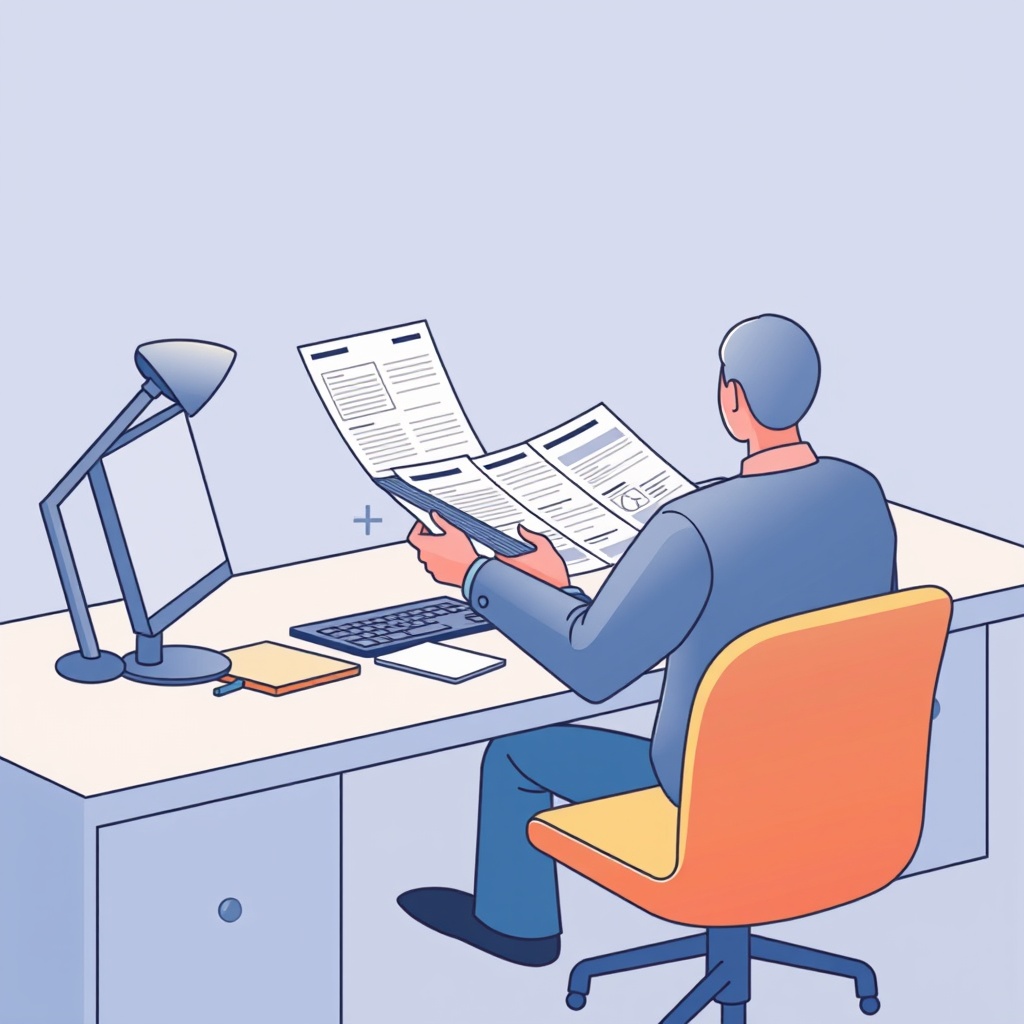
Exploring small business financing options is crucial for sustaining and growing your business. With rising costs and a dynamic economic environment, picking the right financial resource can determine the success of your entrepreneurial journey. Financial literacy gaps often lead to misinformed decisions, making it essential to understand the nuances of various financing choices. To make informed decisions, consider these critical evaluation factors that can separate a beneficial financing option from one that may hinder your business growth.
-
Interest Rates and Fees
The cost of borrowing, including interest rates and associated fees, is a fundamental factor in choosing a financing option. Low-interest rates can result in significant savings over time, while high rates can compress business profits. Always inquire about origination fees, service charges, and any prepayment penalties.
Financial Insight: A lower APR may initially attract you, but hidden fees can intensify the total cost of borrowing.
-
Repayment Terms
Repayment terms should align with your business's cash flow capabilities. Shorter terms may offer lower interest costs but could strain your cash flow. Conversely, longer terms may increase total interest costs but provide breathing room for repayment.
- Assess alignment with cash flow cycles
- Consider trade-offs between term lengths and interest costs
-
Collateral Requirements
Some financing options require valuable business assets as collateral, which can be risky if the business defaults. Understanding collateral demands can help you avoid over-leveraging your assets and maintain flexibility in operations.
Risk Consideration: Ensure the collateral used is not critical to your business’s operations or personal financial security.
-
Approval Speed
Time-sensitive financial needs might make faster approval processes more appealing. However, these options may come with higher costs or less favorable terms. Ensure the trade-offs between speed and cost align with your immediate and future business needs.
- Quick approval versus cost implications
- Impact on urgent versus planned financing needs
-
Flexibility of Use
Some financing options come with restrictions on how the funds can be used, impacting your business's operational flexibility. Unrestricted funds provide greater autonomy in addressing business needs as they arise.
Flexibility Tip: Assess whether restrictions align with your strategic goals and operational plans.
-
Eligibility Criteria
Different lenders have varying eligibility requirements, including credit scores, business age, and revenue thresholds. Understanding these criteria helps in identifying which financing options are realistically accessible for your business.
- Analyze your business’s financial health
- Match eligibility requirements with lender standards
-
Lender Reputation
Working with a reputable lender avoids hidden pitfalls and build a relationship beneficial for future financing needs. Research lender reviews and ratings, comparing them to industry standards to ensure credibility and reliability.
Reputation Insight: Dependable lenders often offer clear terms and maintain transparent communication.
-
Customer Support and Resources
Excellent customer support can significantly impact your experience with a financing option, particularly when resolving issues or seeking advice. Consider lenders who offer robust resource portals and responsive support teams.
Support Insight: Proactive support can ease loan management and foster an understanding of complex terms.
| Factor | Benefit | Consideration |
|---|---|---|
| Interest Rates and Fees | Lower borrowing cost | Hidden fees can accumulate |
| Repayment Terms | Aligned with cash flow | Longer terms may increase total cost |
| Collateral Requirements | Potential access to larger loans | Risk of losing critical assets |
| Approval Speed | Quick access to funds | Higher interest or fees |
| Flexibility of Use | Autonomy in fund usage | Restrictions may limit options |
| Eligibility Criteria | Suitable for financially healthy businesses | High thresholds may limit access |
| Lender Reputation | Trustworthy relationship | Time-consuming research required |
| Customer Support | Reliable issue resolution | Varies greatly between lenders |
Understanding the differences among lenders, as discussed in this video, enhances your ability to select an SBA lender that not only fits your immediate needs but also supports your long-term growth strategy. This detailed look at lender scenarios illustrates potential challenges and solutions, helping you navigate the complexities of small business financing with greater confidence and clarity.
The video's insights into lender requirements and borrower rights empower you to make informed choices in your financing journey. This knowledge minimizes risks and maximizes the potential benefits of your financial decisions, thereby reinforcing your business's financial foundation.
Understanding the Complexities of Small Business Financing

Navigating the world of small business financing can be daunting, with its array of confusing products and hidden tradeoffs. Rising costs and economic uncertainty make it even more crucial for entrepreneurs to make informed decisions. The marketplace is flooded with various options, each with its own cost structures and implications, which can obscure true costs and benefits. Misinformation and behavioral biases further complicate the decision-making process, often leading business owners to make hasty or suboptimal choices. By exploring these issues, we aim to clarify and simplify the decision-making process.
What are the trade-offs between traditional loans and alternative financing?
Traditional loans often offer more stable interest rates and longer repayment terms, which can be beneficial for strategic long-term planning. However, they typically require a lengthy approval process and extensive documentation. In contrast, alternative financing options, such as peer-to-peer lending or merchant cash advances, provide quicker access to funds and less stringent approval criteria. The trade-off, however, comes in the form of higher costs and shorter repayment schedules which can impose a significant burden on cash flow. Entrepreneurs need to weigh these factors carefully, considering both the immediate need for capital and long-term financial health.
How do cost structures differ between various financing options?
Cost structures vary significantly across financing options, affecting the overall financial burden on a business. Traditional bank loans often have lower interest rates but incorporate numerous other fees such as origination fees and prepayment penalties. On the other hand, lines of credit offer flexibility but might entail higher variable interest rates. Additionally, options like invoice financing could lead to surprisingly high costs if not managed carefully. An understanding of these cost frames is essential for making informed comparisons and avoiding unexpected financial strains.
What impact does interest structure have on choosing a financing option?
Interest structures can significantly influence the total amount repaid over the life of the loan or financing. Fixed-interest loans provide predictability, making budgeting simpler, but they might limit opportunity if rates decrease. Variable-rate loans could offer initial savings but carry the risk of increasing costs if rates rise. It's essential to align interest rates with the business's revenue cycles and financial forecasts to avoid cash flow issues. Entrepreneurs must evaluate their risk tolerance and ability to adapt to changing cost scenarios when choosing a financing option.
Is it better to focus on short-term financing solutions?
Short-term financing might seem appealing due to its quick disbursement and fewer qualification requirements. However, focusing solely on short-term solutions can lead to repeated borrowing cycles and increased cumulative interest costs. These options can temporarily ease cash flow problems but might not be sustainable for long-term expenses. The key is to balance immediate needs with the business's long-term strategic goals, ensuring that financing choices do not jeopardize future growth and financial stability.
How does creditworthiness influence financing decisions?
Creditworthiness plays a pivotal role in determining the types of financing options available to a business. Lenders often use credit scores to assess risk, influencing interest rates and approval outcomes. A strong credit profile expands access to more favorable terms and lower interest costs, whereas poor credit could limit options or increase costs. Ensuring good credit standing is crucial for leveraging financing to fuel business growth effectively. Understanding the credit requirements for various options helps businesses position themselves strategically in the financing landscape.
What risks do entrepreneurs overlook with alternative financing methods?
Alternative financing methods can seem attractive due to their accessibility, however, they pose several risks. High-interest rates and hidden fees can lead to a debt trap, especially if the return on investment doesn't meet expectations. In addition, these options might lack regulatory oversight, potentially leading to less transparent terms. Entrepreneurs frequently overlook the importance of understanding these risks, which can impact business sustainability. Thorough due diligence and risk assessment are necessary before committing to such financing methods.
How does economic uncertainty affect business financing choices?
Economic uncertainty can complicate business financing decisions. In volatile markets, the risk of fluctuating interest rates and tighter lending criteria rises, as lenders become more cautious. This environment may force businesses to consider more expensive or less stable financing options, potentially affecting long-term financial goals. Entrepreneurs must critically assess market conditions and anticipate potential economic shifts when planning their financing strategies to mitigate adverse effects on their operations.
Why do many businesses prefer lines of credit over loans?
Lines of credit are preferred by many businesses due to their flexibility and revolving nature, allowing them to draw funds as needed rather than receiving a lump sum. This option is especially useful for managing seasonal cash flow variations or unexpected expenses. However, its benefits come with the risk of variable interest rates and the potential to accumulate higher interest over time. Businesses should weigh the convenience of having easy access to funds against the potential cost implications and strategic financial goals.
What long-term consequences can arise from poor financing choices?
Poor financing choices can lead to a cascade of negative long-term consequences for small businesses. High-interest costs can erode profit margins, while frequent reliance on short-term financing can limit growth potential and strain cash flow. Additionally, inappropriate financing choices can damage a business's credit profile, reducing future access to more favorable debt options. These financial missteps can jeopardize business stability and sustainability, illustrating the critical need for thoughtful, strategic financial decision-making.
| Consideration | Traditional Financing | Alternative Financing |
|---|---|---|
| Approval Criteria | Stringent; requires strong credit | Flexible; accessible with lower credit |
| Cost Implications | Lower interest, more fees | Higher interest, fewer fees |
| Repayment Terms | Long-term, fixed rates | Shorter-term, variable rates |
| Application Process | Lengthy, extensive documentation | Quick, minimal paperwork |
The embedded video expertly highlights the top small business financing options currently available, providing in-depth analysis of each, including their merits and potential downsides. By watching, readers gain clarity on which options might align best with their business needs. This understanding is crucial as it enhances their ability to make informed financial choices that support their long-term objectives, thereby strengthening financial resilience and growth potential in uncertain times.
How to Effectively Evaluate and Navigate Small Business Financing Choices

Securing the right financing is a pivotal decision for small business owners, but the process is rarely straightforward. Many entrepreneurs struggle not only with understanding the wide variety of options—traditional loans, lines of credit, merchant cash advances, and newer alternatives—but also with matching those options to the specific needs and cycles of their business. The prospect of borrowing can feel overwhelming, especially when each product comes with its own jargon, eligibility criteria, and hidden complexities.
Behavioral barriers often compound these challenges. The urgency of business needs can push owners toward quick fixes or emotionally-charged decisions, sometimes at the risk of higher costs down the line. It's common to feel paralyzed by too much information or to pick an option that feels familiar rather than one that's financially strategic. Overlooking the long-term implications—such as how repayment terms affect cash flow or how interest accumulates—can have meaningful consequences on future growth and financial stability.
Taking a deliberate, informed approach is critical. A thoughtful process not only reduces costly mistakes but also empowers business owners to leverage financing as a tool for sustainable expansion, rather than a source of future burdens. Understanding how each financing choice works in practice—as well as the tradeoffs involved—turns a stressful decision into a confident one, with stronger odds of long-term business health.
Clarify Your Financing Need and Business Objective
Begin by identifying the core purpose for seeking financing. Is your goal to purchase new equipment, cover seasonal shortfalls, expand operations, or simply maintain day-to-day cash flow? Being specific about your objectives helps focus your decision-making and avoids the trap of borrowing more than necessary, which can lead to unnecessary debt and higher interest payments.
For example, if you’re aiming to purchase inventory in advance of a busy season, a line of credit might suit you better than a term loan. Conversely, financing a major, long-term asset may call for a loan with structured payments. A clear purpose prevents emotional borrowing and aligns your financing with the actual needs of your business.
Assess Your Business’s Financial Health and Eligibility
The next step is to take a candid look at your business’s current financial profile. This includes your credit score, recent cash flow statements, average monthly revenue, and existing debts. Lenders rely heavily on these figures to assess risk and determine eligibility, so knowing your own numbers in advance puts you on firmer footing.
To illustrate, businesses with strong, predictable cash flow may access lower rates and better terms with traditional bank loans, whereas a business with weaker credit or less documentation might need to explore online lenders or microloans. An honest assessment can also highlight areas to improve—such as paying off high-interest obligations—before applying, improving your odds of approval and accessing better rates.
Compare Traditional and Alternative Financing Options
Small businesses today have more financing options than ever. Traditional bank loans and Small Business Administration (SBA) loans often offer lower rates but require strong credit, longer time in business, and detailed documentation. In contrast, online lenders, merchant cash advances, and peer-to-peer lending platforms have looser requirements but usually come at a higher cost.
It’s crucial to compare options based on not just immediate needs, but long-term impact. For example, a fast-approval online loan may solve a pressing cash crunch, but higher interest costs could undermine profitability over the next year. Weighing these tradeoffs helps prevent regret later. For guidance on understanding the full range of loan products, explore our section on responsible borrowing strategies.
Evaluate Total Cost, Flexibility, and Repayment Terms
Beneath the surface, financing options often look more similar than they are. Always look beyond the interest rate to calculate total cost, including origination fees, prepayment penalties, and potential hidden charges. Flexible structures—such as revolving lines or deferred payment periods—can offer breathing room, but they may come at a premium.
Imagine a business owner comparing an SBA loan at 7% with significant paperwork to a fast-access online loan at 18%. While the online loan may seem more convenient, the long-term cost could be three times higher. Finding the right balance between flexibility and cost protects your bottom line. For more insights into managing interest and repayment, see our resource on maintaining healthy credit and debt practices.
Project Your Business’s Future and Cash Flow Scenarios
Plans rarely go exactly as intended in business. Evaluate not just whether you can afford payments today, but how variable income, seasonal slumps, or unexpected expenses could affect your ability to repay. Creating best-case and worst-case cash flow projections ensures you select an option you can realistically sustain, even if growth slows or costs rise.
For a café owner, this might mean choosing a shorter-term, higher-payment loan only if peak season earnings are certain. A retailer with slower months might prefer a line of credit that accommodates cash flow fluctuations. Stress-testing your repayment plan minimizes the risk of missed payments and protects your long-term reputation with lenders.
Understand Legal and Personal Risk Implications
Financing agreements can carry substantial personal financial risks, especially when personal guarantees or collateral are required. Be clear about what you’re on the hook for personally if the business struggles to repay. Some lenders may require you to pledge assets, while others could seek recourse against your personal savings or property.
Understanding these legal and personal consequences isn’t just about protecting the business; it’s about safeguarding your own future as well. If possible, negotiate terms that minimize personal exposure, and consult a financial advisor or attorney for clarity before signing.
Commit to Ongoing Monitoring and Responsible Use
Securing financing is just the beginning. Regularly monitor your loan balance, repayment progress, and the positive or negative effects borrowing has on your business’s operations. If possible, set benchmarks to evaluate whether financing is delivering expected results—such as increased revenue, smoother operations, or higher inventory turnover.
Practicing discipline and resisting the urge to treat available credit as free money is key. Successful business owners revisit their strategy frequently and avoid the temptation to accumulate new debt before existing obligations are well under control.
This video offers a cautionary perspective on why businesses—especially startups—should think carefully before pursuing loans. The speaker emphasizes alternative strategies and the potential pitfalls of taking on debt too early or without a clear plan. For anyone considering business financing options, this video reinforces the need to look beyond quick fixes and toward truly sustainable solutions.
Understanding when to borrow, and when to seek other means of funding, is a critical part of financial decision-making. The insight here can help readers recognize that, while borrowing can be powerful, it’s not always the best—or only—path to growth. This mindset can help prevent rash decisions and support thoughtful, long-term planning.
| Criteria | Lower Cost Option | Greater Flexibility Option |
|---|---|---|
| Approval Requirements | Strict (strong credit, extensive paperwork) | Lenient (fast application, lower barriers) |
| Main Appeal | Minimized interest and fees | Quick access, adaptable use |
| Repayment Terms | Predictable, longer repayment period | Flexible, variable or revolving |
| Risk Level | Lower for business if approved | Higher cost, possible cash flow strain |
| Impact on Growth | Supports long-term stability | Supports immediate needs, but long-term cost |
The second video broadens the discussion by outlining several financing options available to founders and small business owners. It highlights both traditional and alternative solutions, underscoring the importance of selecting the product that matches your business profile and goals. This perspective reinforces the financial decision framework laid out above: evaluate options holistically, understand the pros and cons, and align choices with both your business's current standing and future prospects.
Integrating multiple viewpoints like these encourages readers to be proactive, not reactive, about their borrowing choices and supports a more resilient financial structure for their business over time.
Common Behavioral Mistakes When Selecting Business Financing
- Letting urgency or stress drive borrowing decisions rather than careful analysis
- Underestimating the full cost of borrowing by focusing only on the interest rate
- Assuming that fast and easy approval equals the best financial fit
- Neglecting to plan for uneven cash flow or slow business periods
- Overlooking personal financial risk and legal obligations in loan agreements
- Borrowing more than needed, leading to unnecessary debt and future constraints
Evaluating Success: Realistic Progress Over Perfection
Success in business financing isn’t measured by securing the largest loan or the fastest approval, but by maintaining healthy cash flow, meeting obligations comfortably, and supporting your business’s long-term goals. Recognize that progress will often be incremental, and that paying off financing responsibly or using funding to generate steady, sustainable growth is a strong sign of financial discipline.
Consistency is more important than perfection. Stay patient through setbacks and avoid the trap of comparing your journey to others’. Celebrate each milestone—whether it’s an on-time payment or improved loan terms in future applications. Over time, a thoughtful approach helps build not only business strength, but also personal financial resilience.