
Term
Underbanked
A BudgetBurrow glossary entry. Scroll down for a plain-English definition and related concepts.
A BudgetBurrow glossary entry. Scroll down for a plain-English definition and related concepts.
The underbanked are individuals or households that possess limited access to mainstream financial services, such as savings accounts, credit, or payment methods. They may interact with the banking system but regularly rely on alternative providers for essential financial needs. This distinguishes them from both fully banked and unbanked populations.
The concept of the underbanked emerged as financial systems recognized a segment that, while not entirely excluded from banking, lacks sufficient access to standard financial products. This group often arises where formal banking services are inaccessible, unaffordable, or do not fully meet the needs of certain populations, prompting reliance on non-bank alternatives to fill service gaps.
Underbanked individuals typically hold a basic checking or savings account but use alternative financial services to fulfill needs not met by traditional banks. For example, they may deposit wages at a bank, but use payday lenders for short-term borrowing or remit funds using third-party services. This pattern results from barriers such as high fees, lack of nearby branches, limited digital access, or distrust of banks.
The underbanked may differ by the extent and type of alternative services used. Some primarily use non-bank lenders for credit needs, while others often turn to cash-based payment systems or informal savings options. Geographic, socioeconomic, and regulatory contexts influence the variations in how the underbanked interact with financial systems.
The term is relevant when analyzing access to financial services during budgeting, borrowing, and cash flow management decisions. Financial institutions may use it to identify gaps in service delivery, while policymakers consider it for inclusion initiatives. For individuals, being underbanked affects choices related to accessing credit, making payments, and safeguarding savings.
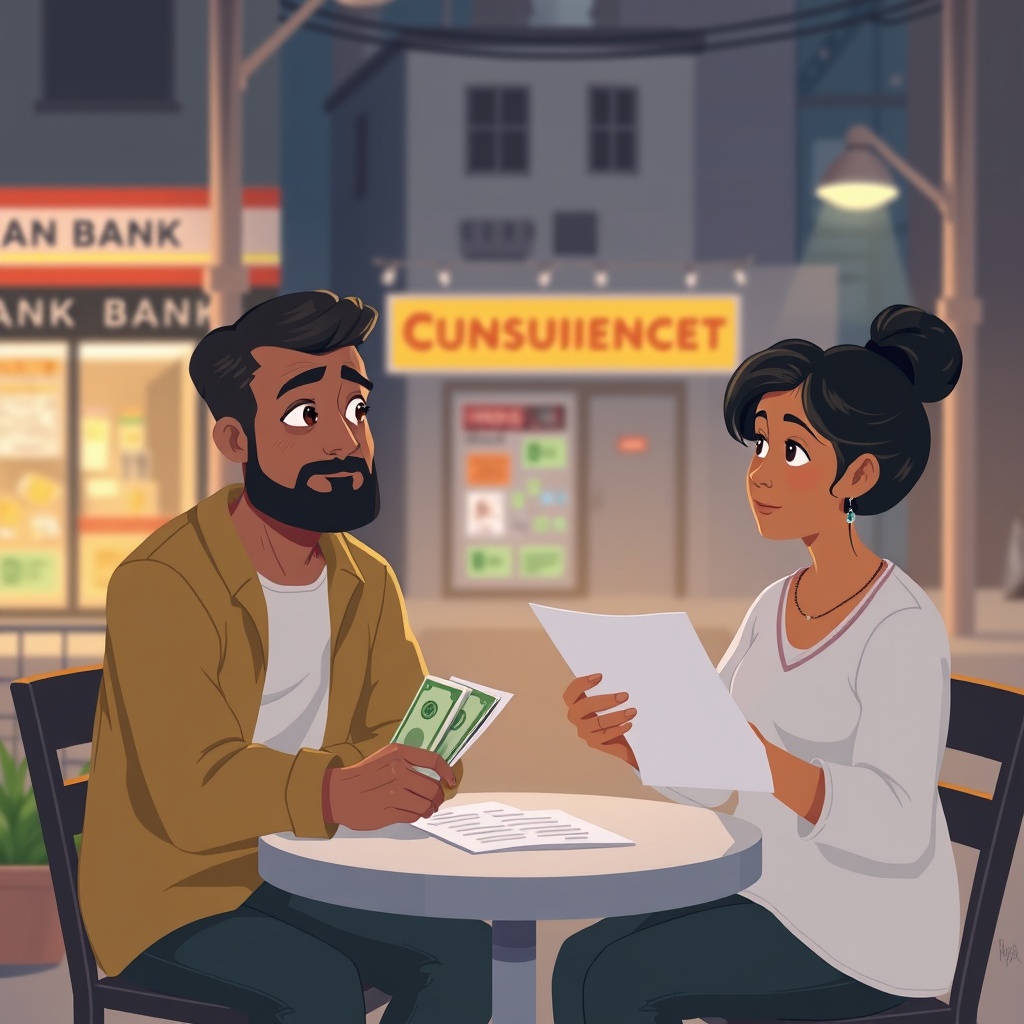
An individual receives wages through direct deposit into a checking account but pays bills using money orders purchased at a convenience store and uses a payday lender for emergency funding. Despite having a bank account, reliance on alternative services exposes them to extra fees and potential credit risks.
Underbanked status leads to increased transaction costs, reduced access to affordable credit, and limited ability to build a financial history. These factors influence individual financial stability, creditworthiness assessments, and expose users to greater risk in managing cash flow or unforeseen expenses.
The underbanked often lack access to products that enable asset building, such as savings or investment accounts, limiting upward financial mobility. Fragmented use of alternative services can obscure true financial behavior, making risk profiling and tailored financial product design more complex for institutions.