
ATM and Foreign Transaction Fees Bank Comparison
Detailing the differences in ATM withdrawal fees network access and foreign transaction charges for online versus traditional banking

Guides in this section
Browse the guides that belong to this section.
What Common Misunderstandings Arise Around ATM and Foreign Transaction Fees?

When it comes to navigating the world of banking, particularly regarding ATM and foreign transaction fees, many people find themselves grappling with confusion. This topic is often misunderstood because of the varied fee structures that exist among banks, both traditional and online. Many consumers assume all banks are the same and that a simple comparison will yield straightforward answers. However, the reality is that fees can differ significantly based on conditions like withdrawal limits, ATM networks, and international partnerships, complicating the decision-making process.
Additionally, the complexities of these fees are exacerbated by the nature of each individual bank’s policies. For instance, while one bank may offer free ATM withdrawals in certain locations, another might charge steep fees for both domestic and international transactions. The rapidly changing landscape of digital banking adds to the confusion, as new players frequently enter the market with innovative fee structures, and existing banks modify their policies in response to competition. This creates an environment where simple advice—like “just choose the bank with the lowest fees”—is often insufficient.
Furthermore, consumers frequently misinterpret the impact of these fees on their overall financial health. Many don’t realize that transaction fees can add up quickly, especially when traveling abroad or making frequent cash withdrawals. Understanding the long-term consequences of these fees is crucial for anyone looking to manage their banking costs effectively. By demystifying these elements, readers can empower themselves to make more informed financial decisions when selecting their banking partners and transaction strategies.
What do most people misunderstand about ATM fees and networks?
One of the most common misconceptions about ATM fees is that all banks participate in widely accessible networks, allowing customers to easily withdraw cash from ATMs without incurring hefty fees. In reality, not all banks share the same ATM partnerships. While big banks may have extensive networks, many smaller banks or credit unions may charge significant fees for outside ATM withdrawals. This often leads customers to be blindsided by unexpected charges when they thought they were using a no-fee ATM simply because they weren’t fully informed of their bank's policies.
Moreover, people often overlook the fact that using an ATM outside of their bank’s network can lead to multiple fees. For instance, a customer might find that the ATM they choose charges a service fee, in addition to their bank’s withdrawal fee. By not scrutinizing the ATM fee structure, customers can end up paying significantly more than they bargained for. Understanding which ATMs belong to your bank's network is therefore crucial to mitigating these costs.
Ultimately, being aware of network affiliations and fee structures helps prevent these costly surprises. By recognizing these nuances, consumers can choose ATMs more strategically, ensuring they are making the most cost-effective choices within their banking framework.
How do foreign transaction fees impact your overall banking experience?
Foreign transaction fees can significantly influence not just the cost of international purchases, but also your overall banking experience. Many banks charge between 1% to 3% for transactions made in a foreign currency, and this can ultimately add up. What many consumers fail to realize is that these fees can apply to a wide range of transactions—everything from dining out or shopping abroad to online purchases from international merchants.
This means that if you're traveling or frequently making overseas purchases, these fees can greatly impact your budget. Some banks may even impose additional charges for currency conversion, leading to compounded costs. Therefore, when selecting your bank, it’s essential to consider how frequently you engage in foreign transactions and the associated fees, which could either limit your options or incur unnecessary costs over time.
Furthermore, the cumulative effect of foreign transaction fees can lead to a discouraging banking experience. For consumers who anticipate traveling or engaging with international merchants, exploring options such as fee-free travel debit cards or banks that offer no foreign transaction fees is wise. Such choices not only relieve financial burdens but also enhance flexibility and confidence when banking internationally.
Is it actually better to go with an online bank for lower fees?
Choosing between a traditional bank and an online bank often comes down to perceived fee benefits. While it’s true that online banks often advertise lower or no ATM and foreign transaction fees, this comparison can be misleading. Many customers assume online banks are always the best option; however, this is not a universal rule. Each bank, whether virtual or physical, has its unique strengths and weaknesses.
Online banks typically save on operational costs, which enables them to offer lower fees and higher interest rates. However, some online banks may have limited ATM access or services compared to traditional banks. If you frequently require cash or personal interaction, these limitations could prove detrimental to your banking needs. The potential inconvenience of a limited ATM network can overshadow the fee savings and lead to frustration when cash is needed on-the-go.
Ultimately, whether an online bank is the best choice for you hinges on your banking habits and priorities. Each situation varies, and personal assessments should guide decisions based on an individual’s financial lifestyle and preferences. Engaging with both types of institutions helps clarify the tradeoffs and allows consumers to select the banking solution that best aligns with their lifestyle.
How do currency conversion fees work within foreign transactions?
Currency conversion fees often catch users off guard, especially when they are nearing the conclusion of a transaction. These fees are not universally standardized and can vary significantly across banks and credit card providers. When making a purchase in a foreign country, your bank may add an additional fee when converting your local currency into the currency of that country, which contributes to the overall cost of the transaction. Unlike flat foreign transaction fees, these conversion fees can add an unexpected layer of complexity.
Moreover, many consumers are unaware that they may encounter two different rates: the conversion rate offered by their bank and the exchange rate used by the merchant. This can create discrepancies between what consumers anticipate paying and what they ultimately owe. By failing to understand these mechanisms, individuals may end up paying more than they initially intended, leading to frustration and potential overspending. Knowing how currency conversion works is critical for consumers, particularly when budgeting for overseas expenses.
Understanding these fees can significantly impact your financial decisions, especially regarding international travel or online shopping. Evaluating financial institutions based on their currency conversion terms allows consumers to minimize unexpected costs while maximizing financial clarity during transactions.
What hidden challenges arise from a bank’s ATM withdrawal limits?
While many consumers assume that ATM limits are straightforward and consistent, various hidden challenges can emerge beyond just the daily withdrawal cap. Banks often implement different ATM withdrawal limits based on account types, which can lead to unexpected restrictions for users. The initial ease of accessing cash turns into a possible point of frustration when you realize that your account type does not permit the flexibility you require. Navigating these limitations requires careful forethought about your cash needs, particularly when traveling or planning a series of larger purchases.
Another layer of complexity lies in the interaction between ATM withdrawal limits and international transactions. If you are withdrawing cash in a foreign country, your home bank’s limit may not align with the local ATMs' limits. In such situations, customers may find themselves unable to access sufficient funds, resulting in plans being derailed. Additionally, fees incurred from failed transactions or from withdrawing cash in smaller increments can quickly add to costs that could have been avoided had the limits been clearly understood upfront.
Ultimately, evaluating ATM withdrawal limits, particularly in conjunction with international banking needs, is essential for anyone moving large sums of cash or traveling abroad. Proactively understanding these challenges can help consumers devise strategies that safeguard against unforeseen issues—ensuring adequate access to funds without incurring unnecessary fees.
What long-term outcomes should you consider when choosing a bank?
The choice of a bank does not merely impact your current banking experience; it has long-term ramifications for your financial health. Choosing a bank with favorable ATM and foreign transaction fee structures is paramount in ensuring sustainable savings over time. Individuals may not recognize how seemingly minor fees can add up significantly, eroding savings and affecting future financial goals. For instance, habitual withdrawal fees at ATMs or excessive foreign transaction charges can lead to a higher cost of living, particularly for frequent travelers.
Furthermore, the type of bank you settle on can influence potential benefits such as loan rates, interest on savings, and your overall banking experience. Traditional banks may offer personal service, while online banks may provide higher interest rates on accounts and fewer fees. However, weighing these benefits against each banking institution’s fee structures is crucial for a proactive review of your financial standing.
Choosing a banking partner is less about immediate charges and far more about their long-term implications for your money management and financial planning. Taking a holistic look at fees, services, and account options equips consumers to craft a banking strategy that yields the best outcomes over time. Evaluating these long-term considerations can help secure a more beneficial and cost-effective banking relationship.
How can consumers strategically navigate banking fees for optimal savings?
To effectively navigate banking fees and maximize savings, consumers need to approach their finances with a strategic mindset. Awareness is a critical step. Individuals should familiarize themselves with the fee structures of both traditional and online banks, focusing on ATM and foreign transaction fees. By understanding how these fees work across different banking platforms, consumers can preemptively strategize their transactions to avoid unnecessary charges.
Additionally, considering one's banking habits is vital for making informed decisions. Are you someone who frequently travels? Do you rely on cash on a daily basis? These questions can help inform the best type of banking partner to choose. Some institutions may offer accounts tailored towards travelers with minimal foreign transaction fees, for example, while others might be better suited for individuals who primarily use cash. Matching services to individual needs creates an environment where banking expenses can be minimized effectively.
Lastly, staying alert to promotions and changing fee structures allows consumers to remain proactive rather than reactive in their financial management. As banking partners evolve, monitoring these shifts can uncover opportunities for savings that may not have been previously recognized. By staying informed and flexible, consumers can adeptly navigate banking fees in ways that optimize savings and improve their overall financial experiences.
Comparing ATM Withdrawal Fees and Foreign Transaction Charges
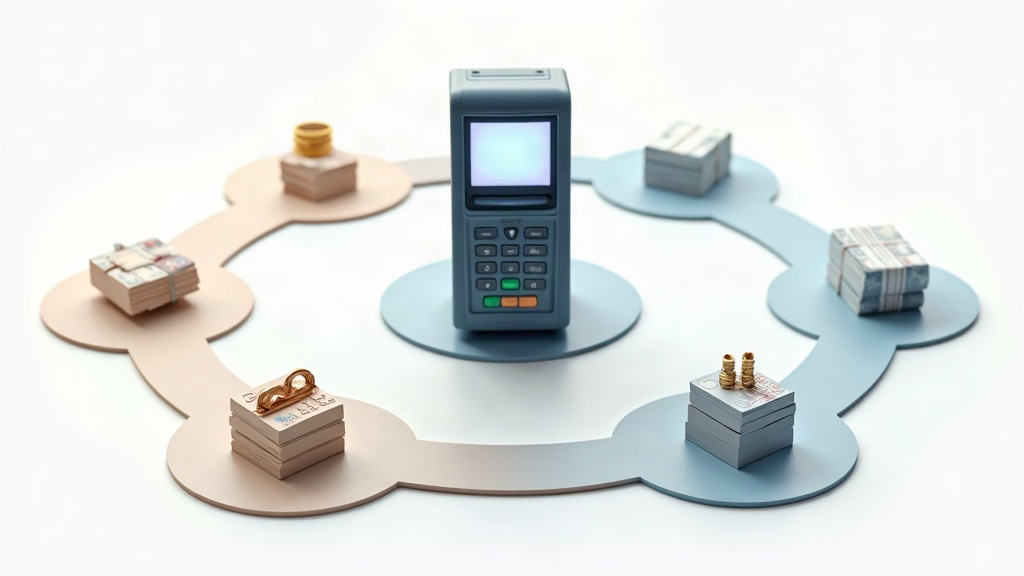
Navigating the world of banking often requires a careful look at various fees that can pile up unexpectedly, especially when using ATMs or making transactions abroad. Understanding how different banks handle these charges can save you a significant amount of money and make your financial decisions more strategic. It’s not just about choosing the option with the lowest fees; it's crucial to consider the overall value offered by each institution, including convenience, accessibility, and service quality.
Many consumers assume that all banks treat ATM withdrawals and foreign transactions similarly, but there's a surprising amount of variability. Issues like network access, currency conversion fees, and international partnerships can greatly impact how much you ultimately pay. Knowledgeable consumers can avoid common pitfalls by researching these differences before selecting a bank or card for travel or everyday use.
-
Understanding ATM Fees
ATM fees can vary widely based on whether you use a bank's own machines or go out-of-network. Often, banks charge different rates for these scenarios, and they may also impose additional charges when accessing ATMs in foreign countries. This can lead to costs that add up quickly if you're not careful.
Take the time to research whether your bank belongs to a nationwide ATM network, as this can drastically reduce your fees.
-
Evaluating Foreign Transaction Fees
Foreign transaction fees are often assessed every time you make a purchase in a different currency, which can be particularly burdensome if you're traveling. Some banks charge a flat fee, while others impose a percentage on the total cost.
Choosing a card that waives foreign transaction fees, especially for frequent travelers, can lead to considerable savings over time.
-
Card Offers and Promotions
Many banks and credit unions provide promotional offers for specific cards, such as waiving initial fees or lowering transaction costs for the first year. These promotional periods can help you avoid costs while you evaluate whether the card or bank aligns well with your financial habits.
This video showcases how one bank allows users to manage their cards effectively, integrating features that make it easier to avoid extra charges. Understanding such functionalities is crucial for making an informed choice that doesn’t just benefit you today but also protects you during your travels.
By leveraging promotional offers and features, you can establish a banking relationship that suits your financial lifestyle while minimizing unnecessary fees.
-
Network Access and ATM Locations
When evaluating banks, consider their ATM networks' size and reach. A bank with fewer ATMs may force you to pay higher fees if you frequently find yourself searching for in-network options.
Accessibility to a wide ATM network can provide peace of mind, particularly when traveling, as you'll have fewer worries about unexpected costs.
-
The Importance of Currency Conversion Rates
The actual cost incurred during a foreign transaction can hinge significantly on the bank's currency conversion rates. These rates often differ from the market rate, meaning you'll pay more than expected if your bank isn't competitive.
It’s prudent to compare currency conversion rates between banks and credit cards to find the best deal for international expenditures.
-
Hidden Fees to Watch For
Some banks might advertise low transaction fees but sneak in hidden costs through poor conversion rates or extra charges for using ATMs abroad. Scrutinizing the fee structure thoroughly will prevent unpleasant surprises down the line.
This video delves into common misconceptions about fees associated with travel cards, offering insight into what consumers often overlook. Understanding these hidden nuances is essential for establishing a comprehensive view of your expected costs.
By becoming aware of these hidden fees, you can better strategize your banking choices and maintain more control over your financial decisions.
-
Consideration of Bank Reputation and Support
The reputation of your banking institution can influence your experience, particularly when issues arise during travel. Opt for banks known for excellent customer service, as having reliable support can be invaluable if complications arise.
Reviewing customer feedback and ratings will assist in selecting a banking partner who prioritizes your financial wellness and offers helpful support without undue fees.
-
The Flexibility of Online Banking Options
Online banks have increasingly become competitive in terms of fees, often presenting greater flexibility and lower costs than traditional banks. Many online institutions provide advantageous rates on foreign transactions and ATM withdrawals, making them appealing options.
Evaluating these digital choices may uncover significant savings without sacrificing service quality.
| Bank Type | ATM Fees | Foreign Transaction Fees | Network Access | Customer Support |
|---|---|---|---|---|
| Traditional Banks | High (in-network and out-of-network charges) | Usually between 1-3% | Limited network options | In-person support available |
| Online Banks | Low or none | Often waived | Broad access through broad networks | Primarily online assistance |
| Credit Unions | Low (often reimbursed fees) | Generally below average | Moderate access | Community-based support |
Mastering Your ATM and Foreign Transaction Fees: A Practical Guide

Navigating the world of banking fees can be daunting, especially when it comes to ATM withdrawal and foreign transaction charges. Many people struggle to understand these fees due to their complex nature and the different structures across banks, both traditional and online. With the rise of digital banking, the landscape has only grown more intricate. From confusing terms to hidden charges, consumers often find themselves unsure about how to avoid costly mistakes when accessing funds abroad or withdrawing cash from unfamiliar ATMs.
Understanding the differences in fee structures is critical. Failure to choose the right banking option can lead to unnecessary expenditures, and consumers may end up paying more than they anticipated just to access their own money. For example, withdrawing cash from an out-of-network ATM or using a credit card for foreign purchases can incur hefty fees if you don’t know what to look for. Each bank has its policies, and being informed empowers you to make choices that better align with your financial goals.
1. Identify Your Banking Needs
The first step in managing your ATM and foreign transaction fees is identifying your banking needs. Are you a frequent traveler, or do you mostly make local transactions? Knowing your habits can guide your choice of bank. For instance, if you travel often, consider a bank that provides international ATM access without exorbitant fees. On the other hand, if you rarely go abroad, a traditional bank with a solid local ATM network might suffice.
Ultimately, you should assess how frequently you’ll use ATMs, both domestically and internationally. Depending on your needs, certain banks may offer better solutions, such as fee-free international ATMs or reimbursements for ATM fees incurred while traveling. Take the time to research and compare banks, considering your lifestyle and anticipated banking behavior moving forward.
2. Compare Fee Structures
Once you understand your banking needs, it’s time to dig into the details by comparing the fee structures of various banks. Each institution has different terms regarding ATM fees, foreign transaction fees, and exchange rates when withdrawing money abroad. Look closely at both the upfront fees (like withdrawal charges) and any potential hidden costs (like annual account fees that might offset savings).
When comparing banks, aim for transparency in their fee disclosures. Some banks might charge lower fees for international ATM withdrawals but have higher fees for domestic transactions. Be meticulous and analyze the overall picture rather than focusing on one or two fees in isolation. The goal is to determine the potential cumulative costs of accessing your funds based on your usage patterns.
3. Understand Network Access and Partnerships
Another crucial factor that affects ATM fees is network access, particularly for banks that belong to ATM networks like Allpoint or MoneyPass. Being part of an extensive ATM network can significantly reduce or eliminate fees for withdrawals. Before opening an account, inquire about the networks your bank is affiliated with and whether those locations will be accessible to you when you need cash.
In addition, check if the bank has partnerships with international ATM networks that could lower fees during foreign transactions. Some banks may waive foreign withdrawal fees entirely if you use ATMs from specific partners. Understanding how these networks work can save you money and prevent iceberg-like fees from surfacing at the moment you least expect them.
4. Review Currency Conversion Policies
The currency conversion policies of banks can also impact your overall transaction outcomes when abroad. Some banks charge a conversion fee alongside the foreign transaction fee, making it essential to understand each institution's policies before you travel. This fee can vary substantially between banks, with some being as high as three percent for purchases made in foreign currencies.
Additionally, always consider the exchange rate your bank provides. Often, banks may offer less favorable rates compared to market rates, leading to added costs. In certain cases, you may choose to pay in the local currency rather than your home currency to lessen fees; however, ensure that your bank accommodates this choice and does not surprise you with additional fees when you return home.
5. Utilize Tools and Resources to Track Expenses
Taking control of your finances necessitates vigilance, especially when tracking ATM and foreign transaction fees. Various mobile banking apps and tools are available to help you monitor your expenses in real-time while traveling. Using a budgeting tool can assist you in managing these fees proactively, allowing you to identify and adjust your banking habits accordingly.
Moreover, familiarize yourself with any alerts your bank provides. Many institutions now offer text or email notifications for out-of-network ATM withdrawals or foreign transactions, allowing you to stay informed about any potential charges in real-time. This awareness helps you make informed decisions on-the-spot, mitigating unnecessary costs while accessing your cash overseas.
6. Make Informed Choices While Traveling
When traveling, your choices can impact the amount spent on ATM withdrawals or currency conversions. Before you leave, plan where you will withdraw cash and how much you may need. This foresight can prevent impulsive withdrawals at ATMs that may charge higher fees. Research local ATM locations that are part of your bank's partner network to ensure lower fees.
Always opt for local currency when given the choice during transactions. Although paying in your home currency may sound convenient, it often comes with higher conversion fees set by foreign ATMs. Aim to withdraw larger sums at once instead of making multiple small withdrawals, as each transaction can incur its fees, slowly eating away at your budget.
This TikTok video demonstrates real-world strategies for minimizing ATM and foreign transaction fees while traveling. By seeing practical examples, you gain a clearer understanding of which strategies work best in various situations, helping you navigate your international banking needs with confidence.
| Bank Type | Domestic ATM Fee | Foreign ATM Fee | Foreign Transaction Fee |
|---|---|---|---|
| Traditional Bank | $2.50+/withdrawal | $5.00+/withdrawal | 1% - 3% of purchase |
| Online Bank | $0.00 - $1.00 | $0.00 - $3.00 | 0% - 1% of purchase |
| Credit Union | $1.00 - $2.00 | $2.50 - $4.00 | 1% - 2% of purchase |
This table summarizes the tradeoffs between different types of banks in terms of ATM and foreign transaction fees. Knowing these differences empowers you to make wiser financial decisions tailored to your banking habits, ultimately saving you money.
This second TikTok provides additional insights on how to choose the best ATM options while traveling. It complements the previous discussion by further highlighting strategies to avoid fees, giving you even more tools in your financial toolbox for navigating banking while abroad.
Common Mistakes to Avoid
- Neglecting to research ATM fees before traveling
- Choosing to pay in home currency, not the local one
- Making multiple small withdrawals instead of one larger transaction
- Overlooking network partnerships, leading to excessive fees
- Failing to monitor account notifications while traveling
Measuring Your Success
As you implement these strategies, regularly assess your progress in managing your ATM and foreign transaction fees. A successful approach will involve tracking how often you’re incurring fees and whether your total expenses align with your budget expectations. Remember, financial health involves not only minimizing costs but also making informed decisions that contribute to your long-term financial well-being.
Evaluate both short-term and long-term outcomes; while immediate savings on fees are crucial, fostering a habit of mindful banking decisions will yield lasting benefits. Most importantly, avoid unrealistic expectations; it’s a learning process, and every traveler encounters fees at times. However, informed choices can significantly reduce your costs and contribute to a positive banking experience overall.