
Understanding and Avoiding Foreign Currency Conversion Fees
Detailed explanation of currency conversion markups Dynamic Currency Conversion DCC and strategies to always pay in the local currency

Guides in this section
Browse the guides that belong to this section.
Common Misconceptions and Hidden Costs of Currency Conversion

When traveling abroad or managing transactions in different currencies, many people assume they have a solid understanding of how currency conversion works. However, the reality is often far more complex. With the rise of options like Dynamic Currency Conversion (DCC) and the various fees involved, travelers may find themselves facing hidden costs they never anticipated. Unfortunately, a lack of clarity around these charges often leads to poor decision-making, leaving individuals and businesses alike wondering why their travel budgets seem to disappear so quickly.
This common misunderstanding stems from the simplicity of the payment process—swiping a card or making a digital transfer can seem straightforward. Yet, the nuances of currency exchange rates and the methods employed by banks and merchants can lead to significant discrepancies in cost. For example, many travelers may unconsciously select to pay in their home currency, believing it to be more straightforward, only to end up paying inflated conversion rates. It's essential to evaluate the broader implications of these choices to ensure you're making informed financial decisions.
Moreover, simple advice falls short in addressing the complex variables at play. Just telling someone to always 'pay in local currency' disregards the intricacies of dynamic pricing, exchange rate fluctuations, and fee structures associated with different banks. Understanding how these elements interact is crucial for developing effective strategies for currency management while traveling or engaging in foreign transactions.
Why do many people choose to pay in their home currency while abroad?
Many travelers opt to pay in their home currency, a decision often driven by the perceived convenience and clearer comprehension of costs. However, this choice can be misleading. While it may seem easier to notice the dollar amount charged to your credit card, the underlying exchange rates applied in Dynamic Currency Conversion can be significantly less favorable than those provided by your bank. As a result, opting for your home currency may lead to higher overall charges.
The allure of paying in a familiar currency is amplified by the aggressive marketing of DCC services at foreign merchants. Staff may present the option as a way to simplify the transaction, but they often understate the potential costs associated with it. Many travelers fall into the trap of accepting this offer without recognizing that they are exchanging their hard-earned money at marked-up rates, maximizing fee deductions that could otherwise be avoided.
This trend reveals a crucial tradeoff: the time and effort invested in understanding currency conversion could prevent an expensively misleading decision. By choosing to pay in local currency, not only can you benefit from better exchange rates offered by your bank, but you also protect yourself from the marked-up DCC fees that can eat into your budget significantly.
What happens when you choose Dynamic Currency Conversion at an ATM?
Choosing DCC at an ATM can seem like a straightforward option, but it often leads to unforeseen financial repercussions. By selecting this option, you are essentially allowing the ATM operator or bank to determine the exchange rate, likely resulting in higher fees and less favorable rates. Most people are unaware that DCC is essentially a bonus for the operator and a hidden cost to the user.
Is it actually better to use a credit card for foreign transactions?
Using a credit card for foreign transactions can provide several advantages, but these benefits might come with caveats that are often overlooked. Credit cards typically offer more favorable exchange rates compared to cash conversion services. Additionally, many credit cards have lower foreign transaction fees, or none at all, making them a popular choice for travelers looking to minimize costs.
What do most people misunderstand about currency exchange rates?
Currency exchange rates are often perceived as static or fixed, but in reality, they are incredibly dynamic and influenced by various factors, including market demand, political events, and economic stability. Many travelers think they'll get a 'set' rate, but they are not considering how rates fluctuate constantly. Misunderstandings about these dynamics can lead to significant financial miscalculations when exchanging money.
How do foreign transaction fees vary between banks and credit cards?
What are the long-term consequences of regularly using costly currency conversion methods?
How does understanding foreign currency conversion fees contribute to better financial decision-making?
A comprehensive understanding of foreign currency conversion fees directly influences better financial decisions both while traveling and at home. Recognizing the various costs associated with currency conversions allows individuals to strategize effectively, focusing on avenues that minimize waste and maximize their funds' impact.
| Method | Advantages | Disadvantages |
|---|---|---|
| Pay in Local Currency | Better exchange rates; avoids DCC fees | Requires understanding local currency |
| Dynamic Currency Conversion | Perceived convenience; clear pricing upfront | Often leads to higher costs; hidden fees |
| International Credit Cards | Convenient and widely accepted; protects against rate fluctuations | Potential for foreign transaction fees; acceptance limitations |
| Cash Exchange | Immediate transparency; no bank fees | Risk of poor exchange rates; safety concerns |
Smart Strategies to Navigate Foreign Currency Conversion Fees
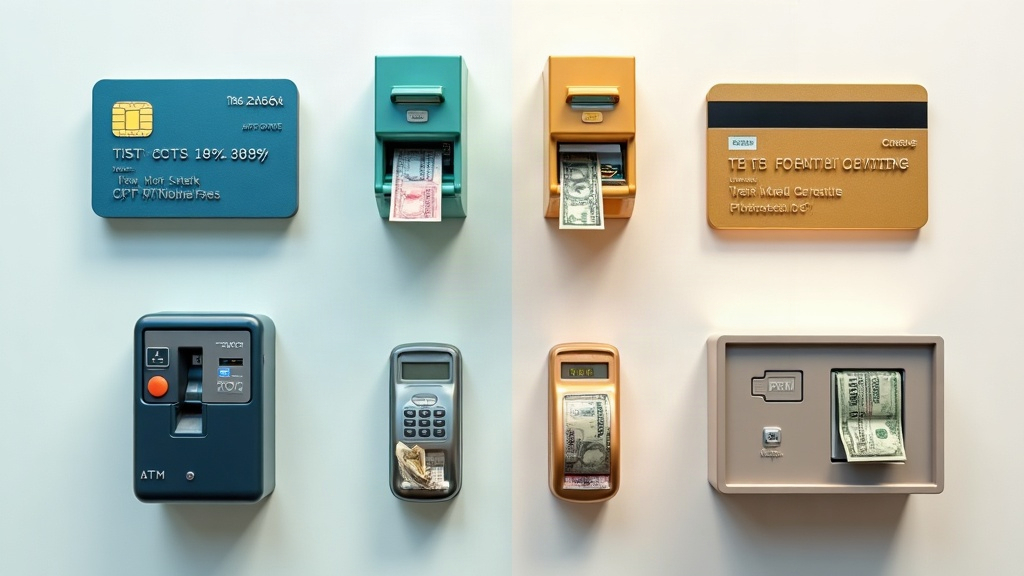
When traveling or making purchases in foreign currency, understanding foreign currency conversion fees can save you significant money. These fees often sneak in when you least expect them, turning what seemed like a straightforward transaction into an unexpectedly expensive endeavor. Recognizing when and how these fees are applied is crucial for making informed financial decisions, whether you are withdrawing cash at an ATM or purchasing goods and services abroad.
It’s easy to assume that all currency exchanges are created equal, but factors like Dynamic Currency Conversion (DCC) can turn a simple purchase into a costly affair. The importance of selecting the most cost-effective payment option in foreign currency transactions lies not just in avoiding fees, but also in optimizing your overall budget during your travels or international dealings.
-
Understand Dynamic Currency Conversion (DCC)
Dynamic Currency Conversion allows merchants or ATMs to offer you the option to pay in your home currency, often at a poor exchange rate. While it may seem convenient, opting for this can lead to hefty conversion fees and unfavorable rates.
Always opt to pay in the local currency to avoid additional costs and ensure you receive the best exchange rate, which can save you money in the long run.
-
Review Your Bank's Foreign Transaction Policies
Many banks impose foreign transaction fees on purchases made abroad. These fees can range from 1% to 3%, depending on your financial institution. Familiarize yourself with your bank's policies and consider switching to a bank that does not charge these fees for travel-related transactions.
In addition, ask your bank about any partnerships with international networks, as this can sometimes allow you access to better exchange rates or fee waivers.
-
Consider Travel-Specific Credit Cards
Using a credit card designed for international use can offer benefits like no foreign transaction fees and favorable exchange rates. These cards are specifically tailored to travelers, providing a way to make purchases without the added burden of high fees.
This video highlights the various types of credit cards that can be beneficial for travelers. By choosing the right credit card, you can minimize fees and make your trips more enjoyable. Understanding these options allows you to take control of your spending and maximize the value of your currency.
-
Shop Around for Local Currency Exchange
Exchanging money at airports often yields unfavorable rates due to high overhead costs. Instead, seek out local currency exchange services or ATMs that offer competitive rates.
Also, be cautious of conversion fees from money changers; always ask upfront about their rates and any hidden fees to ensure you get a fair exchange.
-
Be Wary of ATMs and Their Charges
ATMs abroad may impose additional fees for using non-network cards. Be proactive in checking for their ATM fees before withdrawal to avoid unexpected deductions from your account.
- Look for ATMs that belong to your bank's network.
- Inquire about withdrawal limits and additional transaction fees.
- Always check for a reasonable exchange rate before confirming your transaction.
-
Monitor Exchange Rates
Currency exchange rates fluctuate frequently. By keeping an eye on these rates, you can choose the optimal time to exchange money or make purchases abroad.
Consider using tools or apps that track fluctuations and notify you when rates are favorable for your intended transaction, ensuring you get the best value.
-
Consult Your Travel Insurance Policy
Some travel insurance policies might cover currency conversion fees under specific circumstances. Reviewing these details may offer you additional financial protection when traveling internationally.
Ensure your policy covers any unexpected costs that could arise due to currency exchange, adding an extra layer of security to your financial planning.
-
Stay Informed about Currency Risk
Currency risk refers to the potential for financial loss due to fluctuations in exchange rates that can affect your purchasing power while abroad. Understanding this risk is key to protecting yourself from unforeseen expenses during your travels.
By being aware of the current economic condition and anticipated shifts in currency values, you can make more informed financial decisions and minimize losses.
| Option | Fees | Exchange Rate | Convenience |
|---|---|---|---|
| Dynamic Currency Conversion (DCC) | High | Poor | Easy |
| Local ATMs | Variable | Fair | Convenient |
| Currency Exchange Shops | Low to Medium | Moderate | Accessible |
| Travel-Specific Credit Cards | None | Competitive | Convenient |
Mastering Currency Transactions to Avoid Extra Costs
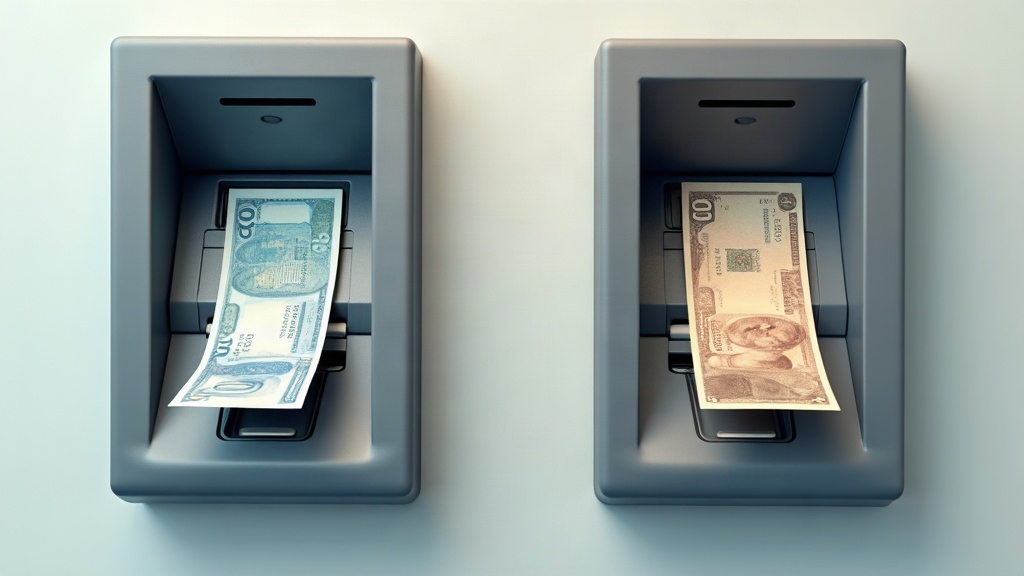
Navigating the complex world of currency exchange can feel overwhelming, especially when you're traveling abroad or making international purchases. Many people find themselves stymied by foreign currency conversion fees, often unwittingly paying more than they should. A sense of confusion around Dynamic Currency Conversion (DCC) and the general mechanics of currency exchange is common. When you're faced with the choice between paying in your home currency versus the local currency, not fully understanding the implications can lead to costly mistakes.
Understanding how to act to minimize these transaction fees is crucial. The costs associated with currency conversion aren't just numbers; they impact your overall travel budget or the cost of items purchased abroad. By mastering the payment process, you can make informed decisions that preserve your finances, allowing you to allocate funds towards experiences rather than hidden fees.
Identifying Dynamic Currency Conversion (DCC)
Dynamic Currency Conversion is a service offered by some merchants, particularly those catering to tourists, that allows you to pay in your home currency instead of the local currency. While this may seem convenient, it often comes with a significant markup, leading to higher overall costs. Understanding DCC is the first step towards avoiding unnecessary charges.
When presented with the option to pay in your local currency, resist the temptation! The exchange rates typically offered during DCC are worse than those you’ll find through your bank or credit card provider. This choice can substantially impact how far your money stretches while traveling.
Choosing the Local Currency Every Time
Whenever you’re given the option, opt to pay in the local currency. Not only does this prevent DCC charges, but it also allows your financial institution or credit card to handle conversions at generally more favorable rates. By doing this, you’re ensuring that you’re getting the best value for your currency.
It sometimes requires an extra moment of consideration, especially if you’re tired or in a rush. It’s easy to say “yes” to the easy route when you're busy, but that small decision can lead to significant savings. For example, if you're dining at a restaurant overseas and the bill appears in USD instead of Euros, always ask to be billed in Euros to avoid those additional charges.
Using Travel-Friendly Cards
Selecting the right payment card is an essential aspect of managing currency conversion fees. Opt for a credit card that waives foreign transaction fees and offers favorable exchange rates. Many cards specifically designed for travelers also provide other benefits, such as travel insurance and reward points.
While there may be some initial effort involved in finding the right card, the long-term benefits far outweigh the hassle. Regularly check your card’s terms and conditions to ensure that you’re maximizing the potential for savings and benefits, and be mindful of how you intend to use your card while traveling.
Understand ATM Fees and Selection
Using an ATM abroad may seem straightforward, but it can also be a pitfall for unwary travelers. Many ATMs charge their own fees for withdrawing cash, on top of any conversion fees. Look for ATMs affiliated with your bank to minimize these costs; they often have lower or no fees for international withdrawals.
Additionally, choose the option to withdraw in local currency. Often, ATMs will present you with a choice to use DCC or local currency. Opting for local currency usually results in better exchange rates and lower overall fees, preventing the quick accumulation of unnecessary charges.
Monitoring Exchange Rates
Before traveling or making significant purchases, keeping an eye on exchange rates can help you plan effectively. Using financial websites or mobile applications to track rates can help you make informed decisions about when and how to convert your money.
While many may believe that it's impossible to predict fluctuations, understanding basic trends can give you a clearer picture of times when converting will be more beneficial. For big purchases, plan ahead so you can make conversions during more favorable moments, potentially saving you significant amounts over time.
Utilizing Currency Exchange Services Wisely
If you need to exchange cash, do your homework on currency exchange services. Some places offer better rates than others, and avoiding exchange counters at airports or tourist hotspots is often advised as they typically provide less favorable rates.
Checking multiple exchange locations can ensure that you get the best available rate, ensuring that your money maintains its value. Be cautious and aware of additional fees that some services might impose, as these can quickly add up and negate the ‘savings’ you thought you found.
Tracking Your Spending and Adjusting Your Strategy
Finally, one of the best ways to avoid currency conversion fees is to actively monitor your spending while traveling or making purchases internationally. Assess how much you’ve spent regularly to identify any hidden fees and adjust your approach based on your findings.
This might mean switching to particular vendors, changing how you pay, or even revisiting your travel budgeting methods. Keeping a close eye on your spending keeps you informed and can provide insight into which strategies are most effective in keeping costs down.
This video illustrates the practical implications of choosing how to pay while traveling abroad. It connects directly to the issue of managing currency conversion fees. By understanding real-life scenarios, viewers can gain insights into how various payment methods can affect their overall spending and help them become more vigilant when overseas.
| Payment Method | Fees Incurred | Convenience | Best Use Case |
|---|---|---|---|
| Local Currency Payment | Minimal or No Fees | More Effort | Travel, Retail Purchases |
| Dynamic Currency Conversion | High Fees | Very Convenient | Often Unfavorable Choices |
| Credit Card Transactions | Variable (Check Your Card) | Convenient | Large Purchases, Travel |
| Cash Exchange | Potentially Higher Rates | More Manual | Need for Local Cash |
The second video adds a deeper perspective on the nuances of foreign currency exchange and highlights common pitfalls that travelers face. It enhances understanding by featuring interviews with financial experts who share practical tips on saving money while overseas, connecting directly to the concept of minimizing currency conversion costs effectively.
Common Missteps in Currency Transactions
- Accepting DCC without understanding the costs.
- Using ATMs without checking for fees.
- Failing to track spending in local currency versus USD.
- Not comparing exchange rates before exchanging cash.
- Being unaware of how travel cards work and their benefits.
Evaluating Your Currency Management Success
To track your progress in avoiding unnecessary fees, evaluate your spending patterns regularly. Keep a log of how much you spend in different countries and evaluate if you have effectively minimized conversion costs. Long-term outcomes depend on consistent monitoring and smarter financial decisions, while short-term results may motivate you to continue refining your strategy.
Avoid setting unrealistic expectations; just because you’ve saved money this time doesn’t guarantee future success. Focus instead on understanding the principles behind effective currency management and how they apply to your financial goals.