
The Top Global ATM Networks to Avoid Fees
A guide to ATM networks like Global ATM Alliance and Allpoint that offer free international withdrawals and which banks belong to them

Guides in this section
Browse the guides that belong to this section.
What You Might Not Realize About ATM Network Fees
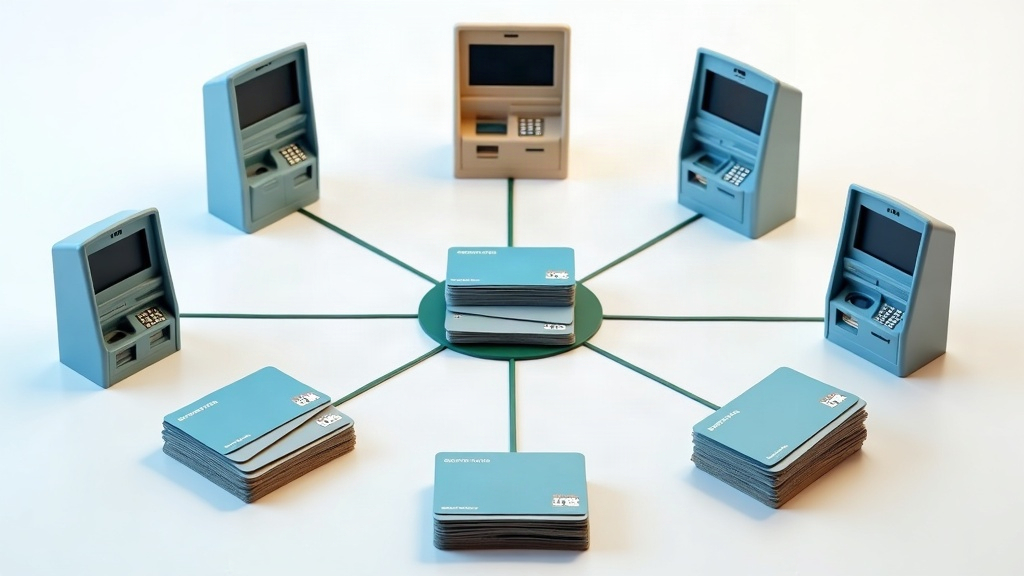
The world of ATM networks can be quite perplexing, often leading individuals to make financial decisions that might not serve their best interests. Many people are under the impression that all banks provide a similar level of access and charge comparable fees, which simplifies their choices. However, the reality is that different ATM networks come with a variety of policies, and understanding these nuances is key to avoiding unexpected fees during withdrawals. The presence of both local and international ATM networks means that the approach to managing fees isn’t straightforward.
Furthermore, the notion that all ATMs within a given network will provide free withdrawals can be misleading. Certain banks will only offer fee waivers for specific ATM locations within these networks based on user agreements. This interconnectedness can create a complex web, where a single wrong choice could lead to unnecessary charges. Simple advice such as "just use your bank's ATM" may ignore critical factors such as the potential for international transaction fees or different withdrawal limits.
Making an informed choice about which ATM network to utilize requires a careful assessment of both benefits and potential pitfalls. Moreover, it’s essential to consider not just immediate transactional costs but also the long-term implications of your banking habits. Below are some common queries that shed light on these complexities and help clarify how you can best navigate your financial decisions when it comes to ATM usage.
Why do many people assume all ATM networks are the same?
This assumption stems from the general perception that all banks operate under similar operational guidelines. Many users may only notice the ATM outposts of their own bank, overlooking the existence of various exchange networks that could save them a lot of money. Bank advertising often amplifies this misconception by emphasizing convenience, which may inadvertently downplay the significant differences in fee structures across networks. In reality, many ATM networks have unique agreements that dictate fees and access, which is often buried in the fine print.
When consumers travel or need cash outside their bank’s network, they quickly discover that fees can vary dramatically. For example, while one network may offer free overseas withdrawals through affiliations with international banks, another could impose exorbitant fees that eat away at savings. Misunderstanding the scope of these networks can lead to a rude awakening about the true costs of accessing cash, underscoring the need for transparency in understanding bank partnerships.
Additionally, many individuals are also reluctant to change banks or explore their options, leading to complacency. This inertia can result in missed opportunities to align with banks that offer minimal or no fees through strategic partnerships with network providers. Thus, awareness and engendered curiosity about these networks is essential for making informed choices.
What happens when you choose an out-of-network ATM without understanding the fees?
Opting for an out-of-network ATM can set off a chain reaction of unintended consequences, especially concerning fees. Many banks impose hefty surcharges when customers utilize ATMs that do not belong to their network, which can vary from $2 to $5 per transaction domestically and even higher internationally. This initial fee may be supplemented by further charges imposed by the ATM operator itself, compounding costs significantly. Users often walk away frustrated after realizing they've incurred multiple fees for a simple cash withdrawal.
Moreover, many ATM transactions may also trigger currency conversion fees based on exchange rates that fluctuate. These hidden charges can add up during international travel, leading travelers to pay substantially more than they anticipated for accessing their cash. The implications often extend beyond immediate costs; users may find themselves hesitant to access funds due to fear of excessive fees, potentially jeopardizing their financial comfort during critical moments.
To avoid these scenarios, consumers should familiarize themselves with their bank’s ATM network offerings and explore additional networks that partner with their institution. By doing so, they can significantly reduce or even eliminate the risk of incurring extra fees altogether, transforming an expensive inconvenience into a straightforward transaction.
What do most people misunderstand about transaction limits with foreign ATMs?
Transaction limits with foreign ATMs are often a significant point of confusion. Many users assume that their bank’s withdrawal limits apply universally, which is not the case. Different banks may partner with foreign ATMs that impose their own withdrawal limits, which can be lower than what your home bank allows. This can create a frustrating experience for travelers who may only be able to withdraw a limited amount of cash and face additional fees for each transaction made.
In some instances, these foreign ATM networks may also have strict daily withdrawal caps. As a result, a traveler facing an emergency could find themselves limited in their access to funds at crucial times, which could lead to unintended financial strain. Misjudging how much cash is necessary for a trip can compound this error; when international transactions come into play, budgeting becomes all the more critical.
Understanding how to navigate foreign ATM limits requires active planning and awareness. Consider reaching out to your bank for clarity on both daily and individual transaction limits before heading abroad. In some cases, planning your ATM withdrawals ahead of time can also allow for efficient budgeting, freeing users from the stress of unexpected constraints while traveling.
How does the choice of banking institution affect access to fee-free networks?
The choice of banking institution plays a pivotal role in determining access to fee-free ATM networks. Not all banks affiliate with the same ATM networks, and some might charge fees for using out-of-network ATMs, whereas others might have strategic partnerships that allow for free withdrawals. Customers may find that community banks or credit unions often partner with larger networks to help their members avoid fees.
Furthermore, the banking institution's size and geographic reach can also affect a customer's experience. Larger national banks may have established connections with numerous ATM networks globally, which can significantly enhance the customer experience abroad. In contrast, smaller institutions might have less extensive networks, potentially leading customers to incur fees for out-of-network withdrawals during travel.
Ultimately, consumers should assess not only their current banking choices but also their future financial needs. Choosing a bank that offers robust fees’ management options through favorable partnerships with ATM networks can create tremendous long-term benefits, promoting efficient banking both domestically and internationally.
Is it actually better to rely on credit cards for foreign transactions instead of using ATM cash withdrawals?
The decision to rely on credit cards versus ATM cash withdrawals hinges on various factors, including transaction fees, convenience, and individual spending habits. Credit cards often come with their own set of advantages, including rewards programs and ease of transaction tracking. However, they can also carry foreign transaction fees that accumulate quickly, potentially overshadowing the benefits of using credit for convenience.
Using an ATM for cash withdrawals often presents advantages in terms of exchange rates. Banks typically offer more favorable rates when users withdraw cash, compared to the rates applied during credit card transactions. Nonetheless, this advantage may not apply universally; knowing your specific banking fees and policies is vital in making an informed choice. Some credit cards tout minimal or no foreign transaction fees, altering the cost-benefit analysis altogether.
Ultimately, it boils down to personal preference and travel style. For long-term travelers and those seeking budget-friendly options, withdrawing cash through a fee-free ATM network may remain appealing, while others may prefer the convenience and protection provided by credit cards. A well-rounded approach could include both—using cash for smaller, day-to-day expenses and credit cards for larger purchases—ensuring maximum flexibility and minimal fees.
What are the hidden risks of using lesser-known international ATM networks?
Utilizing lesser-known international ATM networks comes with hidden risks that could potentially compromise both convenience and security. Many travelers may opt for these networks to save on fees, only to discover that they are less reputable or have poor security protocols. This can expose users to risks of fraud, including skimming devices that illegally capture card information.
Additionally, travelers may find that these lesser-known networks have less reliable customer service support. This absence can lead to cumbersome experiences if issues arise, such as card retention or withdrawal problems. Banking alone can be stressful; adding language barriers and unfamiliar systems may further complicate matters.
To mitigate these issues, it's critical to research and identify well-regarded ATM networks prior to travel. Travelers can leverage reviews, online forums, and even local advisories to assess safety and reliability. Ensuring that your bank is part of a reputable network with the necessary security protocols can prevent many future headaches.
How does international currency conversion impact your cash withdrawals?
The impact of international currency conversion on cash withdrawals is often lurking in the shadows of understanding. When withdrawing cash from ATMs abroad, banks typically apply a currency conversion fee to transactions. This means that in addition to any out-of-network ATM fees, users could find themselves paying a premium for currency exchange simply for accessing their own money.
Furthermore, the foreign exchange rates applied by banks can fluctuate widely based on market conditions, often leading to higher costs than anticipated. Understanding the difference between the rate provided by your bank versus the actual market rate is crucial in evaluating overall costs. Travelers should note that some ATMs allow for currency selection at the point of withdrawal; choosing to withdraw in the local currency typically results in lower fees than conversions made through your bank.
To maximize cash withdrawals, travelers should plan ahead and monitor their bank’s fees alongside the prevailing international exchange rates. Approaching withdrawals with this level of awareness can make a significant difference in overall spending while navigating the complexities of foreign transactions with greater skill.
Essential ATM Networks for Fee-Free Withdrawals Worldwide

Navigating the world of international banking can be daunting, especially when it comes to accessing your funds without incurring hefty fees. Understanding the ATM networks that allow for free or reduced-cost withdrawals abroad is vital for savvy travelers and expatriates alike. With many banks offering varying degrees of access to these networks, it’s essential to evaluate your options carefully.
Fee structures can vary significantly between different networks, making it crucial to know which ones your bank is associated with to maximize your savings. This listicle breaks down the top global ATM networks that help you avoid fees while traveling, highlighting their associated banks and the benefits they offer.
-
Global ATM Alliance
This network consists of major banks from around the globe committed to facilitating fee-free withdrawals for their customers. Members typically include large institutions such as HSBC and Bank of America.
By leveraging this network, customers can often access their funds without worrying about costly fees, making it an ideal choice for frequent international travelers.
-
Allpoint Network
Allpoint is one of the largest surcharge-free ATM networks, with thousands of ATMs in the U.S. and abroad. Major banks like Charles Schwab and Discover are part of this network, offering easy access to cash without ATM fees.
This network is particularly valuable for U.S. travelers as it allows for seamless cash withdrawals without incurring additional charges during their adventures.
-
Visa Plus Network
The Visa Plus network provides access to over a million ATMs worldwide for Visa cardholders. While ATM owners may charge their own fees, many banks absorb these costs, allowing for surcharge-free withdrawals.
This video showcases how users can find Visa Plus ATMs effortlessly and highlights banks that partner with this network. Knowing where to find these ATMs globally ensures that travelers keep more cash in their pockets.
Utilizing a network like Visa Plus allows flexibility while traveling, enabling easy access to cash without hidden fees.
-
MasterCard Cirrus Network
MasterCard's Cirrus network opens the doors to a vast array of ATMs worldwide. Cardholders can benefit from having access to cash without exorbitant withdrawal fees.
By confirming their bank's affiliations with the Cirrus network, users can identify surcharge-free ATM locations ahead of their travels.
-
NetSpend Reload Network
This network is particularly beneficial for cardholders of NetSpend accounts, featuring thousands of ATMs that allow free withdrawals. Many participating locations include major retail chains.
Using an ATM in this network helps to manage prepaid card expenses without unwanted fees, making it an advantage for those traveling on a budget.
-
Co-op Network
The Co-op network, mainly used by credit union members, gives access to thousands of ATMs without fees. It is particularly popular amongst members of participating credit unions.
This video explains how Co-op members can locate ATMs and highlights their fee-free advantages. Many members may be unaware of the extensive options available through this network.
As a member of a credit union, understanding the Co-op network can greatly enhance the accessibility of funds while minimizing costs.
-
Gray Area Networks
Some banks offer their own private or less-known networks that may not be globally recognized but can still provide fee-free options. It’s key for users to inquire with their banks about any special affiliations.
Being proactive about understanding these potentially overlooked options can lead to significant savings during your travels.
-
Local Bank Partnerships
Many banks form partnerships with local banks in foreign countries to facilitate fee-free withdrawals. For example, a U.S. bank might partner with a bank in Canada to offer no-fee ATM access for each other's customers.
Customers should always check with their bank regarding international partnerships to access fee-free cash withdrawals abroad.
| Network | Participating Banks | Regions Covered | Surcharge-Free Access |
|---|---|---|---|
| Global ATM Alliance | HSBC, Bank of America | Worldwide | Yes |
| Allpoint Network | Charles Schwab, Discover | U.S. and select international | Yes |
| Visa Plus Network | Various banks globally | Worldwide | Varies by bank |
| MasterCard Cirrus Network | Various banks globally | Worldwide | Varies by bank |
| NetSpend Reload Network | NetSpend accounts | Select U.S. locations | Yes |
| Co-op Network | Credit unions | Primarily U.S. | Yes |
| Gray Area Networks | Varies | Dependent on bank | Varies by bank |
| Local Bank Partnerships | Varies | Dependent on partnership | Yes |
Mastering Fee-Free Cash Withdrawals with ATM Networks
When traveling abroad or managing finances in a different currency, many individuals often face hefty fees at ATMs, which can significantly erode savings. This challenge isn't just about finding any ATM; it's about identifying networks that minimize fees and understanding the options available. Many people struggle to navigate the myriad of banking relationships and network partnerships, leading to confusion and, ultimately, overspending. Selecting the right bank and understanding their affiliations with ATM networks is essential for avoiding those pesky international withdrawal fees.
The key to success lies in knowing the ATM networks that partner with your financial institution and how best to utilize them. Ignoring these options can result in unexpected charges that negatively impact your budget. The correct execution of this knowledge can lead to significant savings, giving you peace of mind while traveling or accessing funds outside your usual banking environment.
Identify Your Bank's Partnerships with Global ATM Networks
The first actionable step is to research which ATM networks your bank is associated with. Many banks are part of larger networks like the Global ATM Alliance or Allpoint, which offer fee-free withdrawals at member ATMs worldwide. If your financial institution is linked to these networks, you can save significantly on withdrawal fees when traveling. This little-known but valuable information can mean the difference between a surcharge of several dollars and a completely free withdrawal.
Start by visiting your bank’s website or calling customer service to inquire about these partnerships. Keeping a list of associated ATM networks will empower you to seek out these ATMs while abroad, maximizing your financial advantages. Sometimes banks will even have specific apps that help locate their partner ATMs, streamlining your experience and ensuring you avoid unnecessary fees.
Utilize ATM Locators for Your Network
ATM locators are powerful tools that many banks and ATM networks provide to help users find fee-free withdrawal options. Using these locators can save you time and stress when trying to access cash in a foreign country. Typically, you can enter your location, and the locator will generate information about nearby ATMs within the partner network.
While this may seem straightforward, misusing ATM locators or neglecting to double-check the fees can lead to mistakes. Ensure that the ATM locator reflects the most current information, as ATM partnerships can change. Investing a few moments to identify the nearest fee-free ATM when you arrive will pay off tenfold when it comes to avoiding unexpected costs.
Understand the Withdrawal Limitations
Every ATM network has its own set of rules regarding withdrawal limits. While some networks allow for larger withdrawals, others may impose caps that can be quite limiting during extended travels. Understanding these limitations is crucial to planning how much money you'll need while abroad.
To maximize your financial strategy, be aware of these limits and plan your withdrawals accordingly. If you're using a network that has strict limits, you may need to make more frequent trips to the ATM or consider withdrawing larger sums to cover longer periods without needing cash. Balancing convenience with budget considerations will enhance your travel experience without incurring excess charges.
Compare ATM Fees Across Different Networks
Not all fee-free ATM networks are created equal. An essential part of your strategy should include comparing the fee structures, withdrawal limits, and accessibility of various networks. Some banks may charge a nominal fee for using non-affiliated ATMs, while others will charge exorbitant fees.
You can gain insights into these differences by researching various banks and their partner networks online. Armed with this information, you can make informed choices about which banks to use based on your travel locations and cash needs. Engaging in this due diligence upfront can result in substantial savings during your journeys and daily transactions abroad.
Leverage Prepaid Travel Cards for Flexibility
Prepaid travel cards can serve as an excellent complement to your primary bank card when managing finances while traveling. Many of these cards are linked to major payment networks and can be loaded with funds in your currency, helping mitigate the risk of currency fluctuations. They often allow for international ATM withdrawals with little to no fees.
However, it’s essential to review the terms associated with these cards. Some may have hidden fees for loading funds or withdrawing cash. By choosing the right prepaid card, you can enjoy supplementary financial flexibility while traveling, significantly decreasing reliance on cash withdrawals that can incur fees.
Regularly Monitor Your Transactions and Review Your Accounts
After utilizing various ATM networks, routinely monitoring your transactions can safeguard against unexpected fees. This practice helps you identify any discrepancies quickly and ensures you're consistently using the most cost-effective options available.
Additionally, reviewing your accounts can bring to light patterns that may allow you to finetune your financial strategy. You may discover that specific ATM networks consistently deliver better results in terms of fees and access, enabling you to adjust your approach for future transactions effectively. A little diligence can go a long way in maintaining your budget and avoiding unnecessary expenses.
This video elaborates on using ATM networks to avoid fees effectively. It outlines practical strategies to identify and leverage ATM partnerships relevant to your financial institution. This demonstration connects directly to the core objective of enhancing fee avoidance while ensuring that you are financially savvy during travel or cash management.
| ATM Network | Fee-Free Locations | Withdrawal Limits | Bank Affiliations |
|---|---|---|---|
| Global ATM Alliance | Worldwide | Varies by bank | Various |
| Allpoint | North America, Europe | Varies | Many major banks |
| Surcharge-Free ATMs | Various Regions | Varies by provider | Dependent on partnership |
This table offers a clear comparison of different ATM networks, highlighting their fee-free locations, withdrawal limits, and bank affiliations. By understanding these distinctions, you can make better decisions on which networks to utilize for your cash needs, aligning with your strategy for avoiding fees.
This second video provides an insightful perspective on common pitfalls to avoid when utilizing ATMs while traveling. It improves understanding by detailing practical examples and real-life scenarios. This added context will enhance your ability to navigate the complexities of ATM usage, ensuring effective financial management.
Common Mistakes in Navigating ATM Fee Avoidance
- Failing to verify if an ATM is part of a fee-free network before withdrawal.
- Not understanding the withdrawal limits, leading to multiple costly transactions.
- Overlooking hidden fees associated with prepaid travel cards.
- Neglecting to research banks' partnerships before traveling, resulting in unnecessary charges.
- Assuming all ATMs in tourist areas are fee-free, leading to unexpected surcharges.
Measuring Your Progress Towards Fee Management Success
To evaluate your effectiveness in avoiding ATM fees, maintain a record of any charges incurred and the methods used to withdraw cash. This tracking will help identify patterns over time, evaluating the success of your strategies. Are you finding that you’re consistently using the least expensive options? Or are there missed opportunities?
Consider setting specific goals regarding fee avoidance, such as reducing ATM-related charges by a certain percentage over a predetermined period. By keeping expectations realistic and periodically reassessing your approach, you can ensure long-term financial health and sustainable savings without falling into the trap of unrealistic expectations.