
The True Value of Rewards Checking Analyzing Fees and Limits
A detailed breakdown of account fees withdrawal limits and potential hidden costs that affect the net benefit of a rewards checking account

Guides in this section
Browse the guides that belong to this section.
Unpacking the Intricacies of Rewards Checking Accounts
Rewards checking accounts promise to offer increased earnings, but their real value can be obscured by fees and withdrawal limits that potential account holders often overlook. Many consumers jump into these accounts attracted by flashy reward rates, but the reality is rarely as simple as it seems. Understanding the nuances behind these accounts is crucial, as the benefits can sometimes be overshadowed by hidden costs that erode the overall advantage.
The decision-making process surrounding rewards checking accounts can be particularly convoluted. Variable factors, such as account maintenance fees and transaction limits, can drastically affect your return on investment. Moreover, the appeal of attractive interest rates might distract you from the additional requirements imposed by these financial products. Thus, while rewards accounts may initially seem advantageous, discerning the true value requires a comprehensive analysis beyond just the surface-level benefits.
Consequently, this FAQ aims to clarify the complexities surrounding rewards checking accounts, addressing common pitfalls and misconceptions that can impact their attractiveness. Readers will come away with a deeper understanding of what to consider when evaluating these accounts to ensure they truly align with their financial goals.
Why do many people believe rewards checking accounts are always the best choice?
This misconception often stems from the marketing strategies employed by banks that highlight high rewards rates without providing a complete picture. Many consumers get swept up in the notion that higher interest rates inherently translate to better financial returns, but the reality is far more nuanced. The base rates might appear compelling at first glance, yet these figures can be misleading when not paired with an understanding of the account's limits and fees.
Furthermore, financial institutions often use terms like "up to" in their advertisements, which can ambiguous. In practice, gaining the highest interest rate usually requires maintaining a set balance, making a specific number of transactions, or adhering to other stipulations that may not align with everyone’s financial habits. As a result, potential account holders may find themselves engaging in behaviors that are not in their best interest, driven by the need to meet arbitrary requirements.
What hidden costs should I be aware of with rewards checking accounts?
When exploring rewards checking accounts, hidden costs can significantly diminish the perceived benefits of the rewards offered. One of the primary hidden fees is the monthly maintenance fee, which can vary widely by institution. These fees can negate the gains made through interest rewards, leaving consumers with less overall benefit than anticipated. Many banks may offer fee waivers if certain conditions are met, but failing to meet those thresholds can lead to unexpected costs.
Transaction limits also pose another challenge; rewards accounts often impose limits on how many withdrawals or transfers can be made without incurring a fee. Exceeding these limits can swiftly cut into the expected rewards, leading to a net loss instead of the intended gains. Individuals often fail to analyze their banking habits adequately, assuming that a rewards account will be beneficial without considering how these limits might affect them in practice.
Is it actually better to focus on interest rates over fees when choosing a rewards checking account?
While attractive interest rates are undoubtedly an important consideration when selecting a rewards checking account, focusing solely on rates can be misleading. A high-interest rate might grab your attention, but without thoroughly analyzing associated fees, your overall returns may take a hit. It's essential to gauge how much fees can affect that reward over the account's lifespan.
What do most people misunderstand about withdrawal limits on these accounts?
Withdrawal limits often catch consumers off guard, as they may not realize how these restrictions can impact their access to funds. Many rewards checking accounts impose a cap on how many transactions can be made each month before incurring additional charges. This limit can lead to significant penalties for consumers who require more access to their funds throughout the month, thus negating any rewards gained through the account.
How does this affect long-term outcomes for account holders?
The long-term implications of choosing a rewards checking account are often misunderstood, particularly regarding cost vs. benefits over time. While an account may offer appealing rewards initially, the cumulative effect of fees can have significant consequences. Many consumers fail to consider that the expectations set on maintaining a high balance or completing various transactions can lead to inconsistent benefits.
If an account holder is unable to regularly meet those requirements, they may be left with little to no rewards compared to accounts with more straightforward fee structures. The complexity can spiral into frustration and dissatisfaction, leading individuals to switch banks frequently or even abandon their rewards accounts altogether. When managing finances becomes cumbersome, the rewards may not feel worth the effort over the long haul.
What risks are associated with relying solely on rewards accounts for primary banking needs?
While rewards checking accounts can offer enticing benefits, relying solely on them for all your banking needs carries inherent risks. One of the significant issues is that many of these accounts often come with limitations that aren't conducive to everyday banking. They may impose monthly fees or require maintaining a minimum balance, which might not be feasible in all financial situations.
How can I ensure I’m making the right choice when selecting a rewards checking account?
Making the right choice in selecting a rewards checking account requires thorough research and personal reflection. Begin by clearly defining your banking needs and habits. Consider aspects such as your average monthly spending, how often you withdraw cash, and the minimum balance you can maintain. Evaluating these factors will help you identify which accounts might be the most beneficial for your situation.
Understanding the Complexities of Rewards Checking Accounts
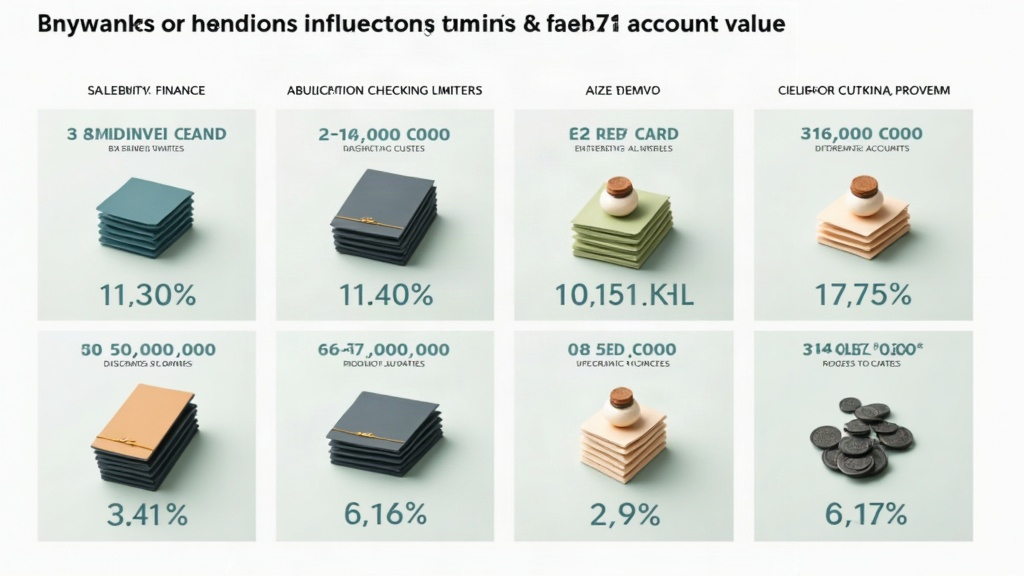
Rewards checking accounts can seem like a golden ticket to boost your savings, offering enticing perks such as high interest rates and cash back on purchases. However, before you sign up, it's essential to scrutinize the fine print and consider various factors that may affect the true value of these accounts. A deeper understanding goes beyond simply looking at rewards; it requires evaluating fees, withdrawal limits, and potential hidden costs that may erode your benefits.
Many consumers overlook the intricacies involved, assuming that a rewards checking account is always the better choice. Unfortunately, that’s often a misconception. By examining the focus areas below, you will be better positioned to make an informed decision, avoiding common pitfalls and ensuring you choose an account that genuinely meets your financial needs.
-
Fees Associated with the Account
Many rewards checking accounts come with monthly maintenance fees, transaction fees, or penalties for not meeting certain criteria. It's essential to evaluate these costs against the rewards offered.
Consider whether the rewards can effectively offset these fees. In some cases, the costs can surpass the benefits, diminishing the appeal of the account.
-
Minimum Balance Requirements
Some accounts require you to maintain a minimum balance to avoid fees or to qualify for higher interest rates. Understanding these requirements can help you gauge if the account fits well with your lifestyle and savings habits.
Falling below this threshold can lead to unexpected costs that negate any rewards you might earn.
-
Withdrawal and Transaction Limits
Many rewards checking accounts impose withdrawal or transaction limits. For example, there may be a cap on how many transactions you can make each month while still qualifying for the full rewards package.
This video explores typical transaction limits in various rewards checking accounts, highlighting real-life implications for users. Understanding these limits is crucial for avoiding penalties and maximizing your rewards.
Knowing how these limits can impact your daily banking activities allows you to make a more informed choice. If frequent transactions are part of your financial routine, consider accounts with higher limits or fewer restrictions.
-
Interest Rate Variability
The interest rates on rewards checking accounts can vary significantly, and they often depend on you meeting specific conditions. Assess whether these conditions align with your regular banking behaviors.
Not all interest rates are created equal; some are promotional rates that may decrease after an introductory period. Make sure to read the terms carefully.
-
Access to Additional Features
Consider the extra features that may come with a rewards checking account, such as budgeting tools, mobile banking apps, and overdraft protections. These can add value but could also come with additional fees.
Evaluate if these features align with your banking preferences and whether they enhance your financial experience beyond the rewards.
-
Reputation of the Financial Institution
The financial institution behind your rewards checking account can significantly affect your banking experience. Research their stability, customer service, and reviews to ensure they align with your standards.
A reputable institution can provide peace of mind, but a poorly rated one could lead to negative experiences that overshadow your rewards.
This video delves into key indicators for assessing a bank's reputation and how it correlates with your overall satisfaction of a rewards checking account.
Understanding this context allows you to feel more secure and informed about where you place your finances, leading to better decisions regarding where you hold your rewards checking account.
-
Cash Back vs. Interest Rewards
Rewards can come in various forms, such as cash back or interest rate increases. Determine what type of reward best suits your financial goals to maximize your account's potential.
Cash back might feel more tangible, but higher interest rates can lead to greater long-term savings. Analyze your spending habits to see which option is more beneficial for you.
-
Promotional Offers
Many financial institutions use attractive promotional offers to entice new customers, such as bonus cash for signing up. While these offers can be rewarding, assess the fine print.
Typically, these promotions come with conditions that may lessen their value over time. Make sure to read the terms carefully, as some may require specific actions to qualify.
| Factor | Details | Potential Impact |
|---|---|---|
| Fees | Monthly fees, transaction fees | Can negate rewards if too high |
| Minimum Balances | Requirements to avoid fees | Falling below can incur costs |
| Withdrawal Limits | Monthly caps on transactions | Exceeding limits could lead to fees |
| Interest Rates | Variability based on conditions | May affect long-term savings |
| Institution Reputation | Customer feedback and trust | Affects overall banking experience |
| Rewards Type | Cash back vs. interest | Aligns with financial goals |
| Promotional Offers | Attractive bonuses for new customers | May come with hidden conditions |
| Access to Features | Additional banking tools and benefits | Can enhance banking experience |
Unlocking the Benefits of Rewards Checking: Taking Control of Fees and Limits

Many consumers face challenges when trying to maximize the potential benefits of rewards checking accounts. The allure of high-interest rates and cash-back bonuses can sometimes overshadow the reality of fees, withdrawal limits, and other factors that might inhibit actual savings. Consumers often struggle to navigate the fine print while juggling their everyday banking needs, resulting in missed opportunities to truly capitalize on the rewards these accounts offer.
The confusion often stems from a lack of understanding of how to assess the total value of a rewards checking account. With numerous accounts on the market each offering various perks and pitfalls, it becomes essential to methodically unpack each aspect that contributes to the net benefit. By focusing on effective execution and informed decisions, you can drive positive outcomes for your financial health and may ultimately change your banking habits for the better.
1. Understanding Fees: The Hidden Costs of Rewards Checking
When evaluating a rewards checking account, it’s crucial to take a close look at the associated fees. Monthly maintenance fees, transaction fees, and ATM fees can significantly diminish the value of the rewards you earn. For instance, if your account has a monthly fee of $10 and you earn $5 in rewards, you’re effectively losing $5 each month. This imbalance can lead to frustration as you realize that your account isn't working for you as intended.
Moreover, some banks might advertise no fees, only to impose fees under certain conditions, such as maintaining a minimum balance or having a specific number of transactions. Scrutinize the terms and conditions to ensure you understand these requirements. Remember, clarity is your best ally when it comes to managing fees—always ask about anything that isn't clearly delineated in promotional materials.
2. Analyzing Withdrawal Limits: What They Mean for Daily Use
Many rewards checking accounts impose limits on how much money you can withdraw per transaction or per day, which can impact your budgeting and cash flow. Understanding these limits is crucial, as they can restrict your access to funds when you need them the most. Imagine planning a significant purchase or emergency withdrawal and hitting a wall because you’ve reached your daily transaction limit.
Before setting up your account, inquire about daily and monthly withdrawal limits, and consider whether these constraints align with your spending habits. If you frequently withdrawal cash or need access to your funds for substantial expenses, it may make sense to choose an account with higher limits, even if that means sacrificing some rewards.
3. Reward Structures: Knowing How to Maximize Returns
The types of rewards offered can be enticing, yet it’s essential to analyze how they align with your spending patterns. Some accounts offer higher interest rates or cash back on specific categories, such as groceries or gas, while others provide a blanket percentage across all purchases. To truly benefit from your rewards, understand which categories generate the most substantial returns for you.
Imagine this: If your rewards account offers 3% back on dining but only 1% on groceries, you should consider where your money primarily goes each month. By aligning your spending behavior with the account’s reward structure, you can extract more value, ensuring you effectively translate your expenses into rewards.
4. Comparing Alternatives: Weighing Options for Best Fit
Not all rewards checking accounts are created equal. Before aligning with one particular bank, undertake a comparative assessment. Research different accounts, being mindful of the trade-offs involved, such as fees versus rewards rate, ATM access, and customer service. Engaging in this process supports better decision-making and helps you avoid significant regrets later.
Additionally, think critically about whether rewards checking makes sense for your financial goals. Alternatives, such as high-yield savings accounts, might sometimes offer better returns without the complications of maintaining a checking account. When considering options, be sure to account for both immediate and long-term financial needs.
5. Leveraging Banking Tools: Third-Party Apps and Resources
In the digital age, leveraging banking apps can bolster your understanding of rewards checking accounts. Many platforms can help you visualize your spending habits, set budgets, and even monitor fee structures. These tools can reveal whether you are maximizing the benefits of your rewards checking account or if you would be better served redirecting your funds elsewhere.
For example, if you notice through an app that you only redeem rewards once every few months, it might indicate that your current choice isn’t optimizing your financial engagements. Use these insights to continually reassess your decisions, ensuring your banking aligns with your overall financial strategy.
6. Staying Informed: Regularly Review Your Account Performance
It’s important not to set it and forget it when it comes to your rewards checking account. Make it a habit to regularly review your account's performance, fees, and rewards. Financial institutions may alter terms, and often these changes, if unnoticed, can erode the benefits you once enjoyed.
Beyond simply reviewing statements, set reminders to revisit your overall banking strategy every few months, assessing if current accounts still serve you effectively. This process can drive continuous improvement in your financial outcomes and prevent any unwelcome surprises.
This TikTok video illustrates how to navigate fees associated with rewards checking accounts. By providing real-world examples, it allows viewers to see the tangible impact of fee structures on their earnings and experiences. Understanding these nuances is essential when selecting a checking account that aligns with your financial goals.
| Feature | Account A | Account B |
|---|---|---|
| Monthly Fee | $0 | $10 |
| ATM Access | Nationwide | Limited |
| Rewards Rate | 3% on groceries | 1% on all purchases |
| Withdrawal Limit | $500/day | $300/day |
| Account Types | Standard | Premium |
This table provides a side-by-side comparison of two hypothetical rewards checking accounts. By summarizing key features and differences, it allows readers to quickly assess which options might better suit their banking needs. Making informed comparisons is crucial for your financial well-being.
This second TikTok video expands on the conversation by illustrating the impact financial literacy has on account selection. It reinforces the idea that understanding the details and nuances can significantly affect one’s ability to make beneficial banking choices.
Common Mistakes to Avoid
- Neglecting to read the fine print, leading to unexpected fees.
- Focusing solely on rewards without considering the complete fee structure.
- Ignoring withdrawal limits which could complicate urgent expenses.
- Chasing introductory bonuses without assessing long-term benefits.
- Failure to periodically review account performance and adjust as necessary.
Assessing Your Success with Rewards Checking
Ultimately, success with a rewards checking account comes down to how well you can measure your benefits against your costs. Track not only the rewards you earn but also the fees paid and any limitations encountered. This holistic view allows you to gauge whether your chosen account truly aligns with your financial goals.
Consider setting realistic expectations; rewards checking accounts should enhance your overall banking experience without overshadowing other financial planning elements. In the long run, a managed and aware approach enables you to navigate fees and rewards confidently, ensuring that you remain in control of your financial journey.