
The Cost of Paper Statements and How to Go Digital
A guide to fees for receiving paper statements or printed check copies and how to easily enroll in free electronic statements

Guides in this section
Browse the guides that belong to this section.
Understanding the Hidden Costs of Paper Statements
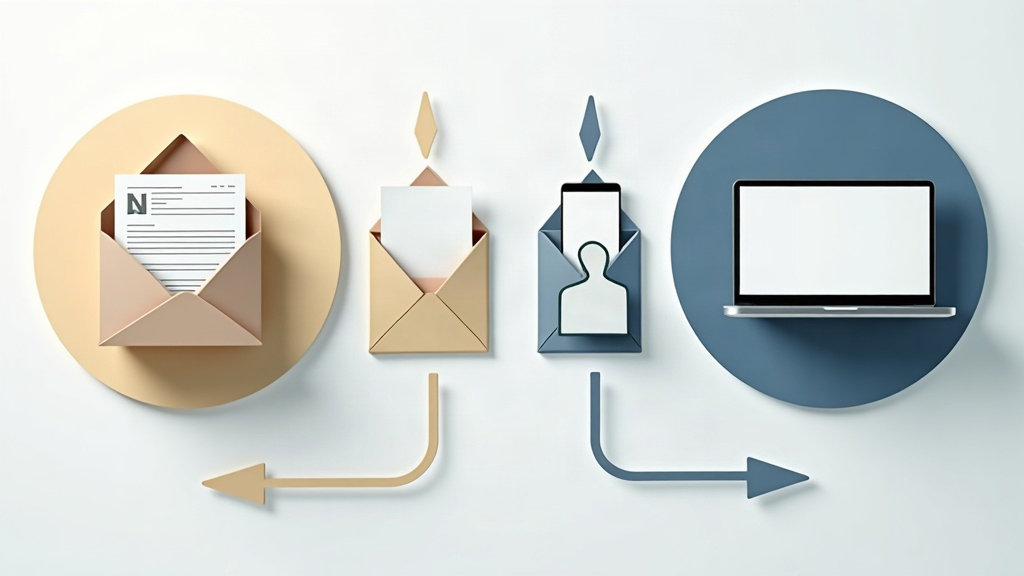
The decision to receive paper statements versus electronic statements often raises questions that extend beyond the surface. Many individuals might view paper statements as a mere inconvenience or an added cost, but the implications can be much larger. The misconception that opting for paper is simply a matter of personal choice can overshadow the hidden fees and long-term financial consequences of maintaining this archaic practice. It's crucial to delve beyond the obvious and consider how these preferences impact your finances over time.
The complexity also arises from diverse banking policies. Different financial institutions have varying fees and practices, which can lead to confusion when trying to compare costs. For instance, one bank may charge a nominal fee for paper copies, while another might not disclose hidden charges until a statement is issued. This inconsistency not only complicates decision-making but can also lead to unexpected expenses that could easily be avoided by switching to digital formats.
Ultimately, understanding these nuances enables better financial management. Simplistic guidance such as "go digital to save money" fails to address individual circumstances or misconceptions about privacy, security, and convenience. By investigating these deeper themes, individuals can strategize their approach to banking and ensure they are making informed choices that align with their financial goals.
Why do many people overlook the actual costs associated with paper statements?
A common misconception is that the charges for paper statements are minimal and inconsequential. Many individuals assume that a small fee here or there won’t significantly impact their finances. However, these fees can accumulate over time, leading to a substantial annual cost that is often not calculated. By not accounting for these ongoing expenses, people can unintentionally deplete their resources more than they realize.
Additionally, there may be a lack of awareness regarding how banks implement these fees. While the direct costs might seem trivial, the indirect implications—such as decreased convenience or potential fees for overdrafts resulting from delayed statements—can compound the issue. Failing to grasp the full picture can result in misguided budgeting decisions, which affects financial health.
This oversight can also stem from a more profound societal norm of valuing tangible items, like paper statements, over digital options. The resistance to change is often rooted in habit, leading people to disregard or underestimate the broader financial implications of continuing these outdated practices.
What happens when you switch from paper to digital statements?
Switching from paper to digital statements can dramatically transform your financial landscape. On the surface, this action eliminates many of the fees associated with paper delivery, thus providing immediate savings. However, the benefits extend beyond just the cost. Embracing digital statements generally leads to more efficient record-keeping, enhanced access to information, and improved security through encryption.
It's easy to overlook that the move to digital doesn't just save money; it can also profoundly streamline your financial management processes. Digital statements can be automatically organized, categorized, and referenced more quickly than paper formats, which typically require manual sorting and filing. This increased efficiency can save you time and reduce stress related to managing financial documents.
Nonetheless, the transition might come with hesitancy surrounding technology. Individuals may worry about identity theft or cyber security when venturing into digital realms. It's essential to address these concerns with security measures and a better understanding of the protections in place for electronic transactions.
Is it actually better to receive electronic statements when considering privacy concerns?
The notion that paper statements are inherently safer than electronic ones is a widespread belief that doesn’t hold up under scrutiny. While it’s true that paper can provide a sense of privacy, this offers a false sense of security that ignores the reality of physical access. Paper statements can end up in trash bins or be misplaced, making personal information susceptible to theft.
On the other hand, digital statements come with various security features, including encryption and password protection. Banks invest heavily in safeguarding digital information and ensuring compliance with regulatory standards. This often surpasses what individual efforts can achieve when managing paper documents. Furthermore, digital records can be readily monitored for unauthorized access, allowing consumers to respond quickly to suspicious activity.
What do most people misunderstand about fees for paper statements?
Many individuals mistakenly believe that fees for paper statements are straightforward, assuming they are fixed costs that appear on monthly statements. In reality, the landscape is often more complex, with hidden charges that can surface unexpectedly. For example, some banks only reveal their fee structures after consumers have opted in for paper statements.
Additionally, there are often ancillary fees that may not be immediately connected to the paper statement itself—such as fees for overdrafts or late payments exacerbated by delayed paper delivery. This can lead to a cycle where consumers incur additional charges due to an initial choice to stick with paper statements. The broader implications of these costs can compound over time, skewing one’s budget and financial planning.
Moreover, in the rush to maintain physical copies, many overlook other conveniences offered by digital solutions, such as immediate access to account history or streamlined document retrieval. This can lead to a more chaotic financial situation where individuals are less informed about their spending habits and account status—factors that are critical for proactive budgeting and financial decision-making.
How does long-term reliance on paper statements impact financial health?
Long-term reliance on paper statements can have detrimental effects on overall financial health, as the costs of maintaining this practice accumulate over time. Many may not consider the financial implications of these fees within their annual budget. Instead, when faced with unexpected costs from banking services, individuals may find themselves in a precarious financial situation that could easily be avoided with a more strategic approach.
Additionally, the practice of receiving paper statements can lead to poor financial habits. With less frequent access to account information, consumers may miss opportunities to monitor spending, capture savings, or identify areas where they can cut expenses. Consequently, this limited visibility can overshadow the reality of their financial landscape, leading to misguided decisions about budgeting.
Moreover, there’s an emotional dimension to consider. Relying on paper statements might perpetuate a sense of disconnect from one's finances. By avoiding the digital transition, you may find yourself less engaged and less informed—resulting in a broader lack of interest in personal financial management. Ultimately, embracing a digital approach offers opportunities for improvement not only in record-keeping but also in overall financial awareness and empowerment.
What hurdles might prevent someone from enrolling in electronic statements?
Despite the evident benefits of transitioning to electronic statements, various hurdles can deter individuals from making this switch. Technological apprehension is one major barrier; many worry about navigating digital platforms or fear they may not be as secure as traditional methods, even if this concern is often unwarranted. This anxiety can stifle motivation and lead to inertia when it comes to making a positive change.
Moreover, logistical issues can present challenges for some. For instance, certain groups, such as the elderly or those without consistent internet access, might find it difficult to transition effectively. Even age-related habits can dictate preferences—people who have relied on paper for a long time may resist change simply because they are used to their routines and feel comfortable within them.
Lastly, it's essential to recognize the role of banks in this transition process. A lack of clear communication regarding the benefits of digital statements or a cumbersome enrollment process can deter potential switchers. Providing easy-to-understand resources and support can facilitate a smoother transition, but many institutions may overlook this crucial step in the process. Understanding these hurdles can lead to proactive measures to overcome obstacles to adopting a more beneficial paperless strategy.
How can consumers assess the overall value of choosing digital statements?
Assessing the value of digital statements versus paper involves a multifaceted evaluation that encompasses both financial and lifestyle considerations. Crucially, consumers should tally the cumulative costs of paper statements against the potential savings from leveraging digital options. Reviewing your bank statements over time can give insights into how much you could save annually by switching to electronic methods, factoring in not just statement fees, but also potential savings on accompanying services like overdraft protection.
In addition to financial metrics, it can be beneficial to assess convenience and time savings associated with digital statements. For instance, electronic records allow for easier access and retrieval compared to paper documents, which can get misplaced or lost. This factor is particularly relevant in an increasingly busy world—staying organized and informed leads to enhanced engagement with your financial health.
Lastly, consumers should reflect on the broader implications of going paperless, such as environmental benefits and the satisfaction of minimizing waste. Understanding these factors collectively shapes a comprehensive view of the value in choosing digital over paper. By recognizing both monetary and lifestyle impacts, individuals are better equipped to make informed decisions in line with modern financial practices.
Understanding the Real Costs of Paper Statements vs. Going Digital

As digital banking continues to reshape our financial landscape, the choice between paper statements and electronic alternatives can significantly impact your wallet. While paper statements might seem innocuous, they often come with hidden fees and costs that can accumulate over time. Understanding these costs allows you to make informed decisions that not only save money but also streamline your financial management efforts.
Many banks now incentivize customers to switch to digital statements by eliminating these fees altogether, highlighting a growing trend towards paperless banking. However, the complexity of fee structures and confusing policies about what constitutes a “free” service warrant careful consideration. This section delves into the realities behind paper statement fees, helping you evaluate your options and clarify the potential savings from going digital.
-
Cost Analysis of Paper Statements
Paper statements typically come with a monthly fee, often unnoticed until the bill arrives. On average, banks charge between $2 to $5 per month for paper statements, resulting in up to $60 per year in unnecessary fees.
Given that many financial services now offer electronical statements at no cost, these fees represent a glaring opportunity for savings if you opt for digital alternatives.
-
Environmental Impact
Switching to electronic statements isn't just about your finances; it's also about the environment. Paper production leads to deforestation, and along with associated emissions from transporting statements, the ecological footprint of traditional banking is significant.
By choosing digital options, you contribute to reducing paper waste and promote sustainability within your financial practices.
-
Convenience of Digital Banking
Digital statements allow for quick access anywhere, anytime, making managing finances simple and efficient. Instead of digging through drawers for paper statements, everything is organized and searchable on your devices.
This video illustrates the practical usage of digital banking and shows real-life applications of how switching to electronic statements has streamlined banking for many users.
Understanding these conveniences can significantly influence your decision to move towards digital options, reinforcing the attractiveness of paperless statements.
-
Hidden Fees and Terms
It is essential to read the fine print associated with any bank's policies regarding statements. Some institutions may market “free” digital statements but impose fees for receiving printed versions after a certain limit.
Recognizing these hidden fees can help you avoid unexpected charges and optimize your banking choices.
-
Security Considerations
Digital statements often benefit from enhanced security measures compared to traditional paper statements, which can be lost or stolen during transit.
Banking institutions implement robust encryption technology, making electronic access safer. This aspect is critical for maintaining privacy and protecting sensitive financial data.
-
Bank Incentives for Going Digital
Many banks offer bonuses or higher interest rates on accounts if you opt for electronic statements, furthering your financial advantage. These incentives can sometimes outweigh any conveniences of sticking with paper.
This video highlights some common incentives offered by various banks, illustrating how switching to digital platforms can further enhance your banking experience and financial health.
Understanding the financial benefits related to these incentives is vital for effective money management.
-
Record Keeping Made Easier
Keeping track of your financial records is crucial for budgeting and planning. Digital statements can be easily archived and organized compared to traditional paper records.
Many banks allow you to download statements for easy access and may even integrate with budgeting software, making financial management far more straightforward.
-
Legacy Banking Practices
Some individuals may prefer paper statements due to a sense of security or familiarity with traditional methods. Understanding the reasoning behind these preferences can provide context for decisions made by various demographic groups.
However, it's important to balance these preferences with the benefits that digital statements bring, especially considering the rapid shift in banking technology.
| Category | Paper Statements | Digital Statements |
|---|---|---|
| Monthly Cost | {$2 - $5} | {Free} |
| Environmental impact | Significant | Minimal |
| Security | Lower | Higher |
| Convenience | Moderate | High |
| Record Keeping | Challenging | Easy |
Transitioning to Digital Statements: A Practical Guide

In an age where convenience and efficiency reign supreme, the transition from paper statements to digital ones may seem like a no-brainer. Yet, many people hesitate to take that step due to lingering confusion and habitual reliance on tangible documentation. They may feel overwhelmed by the idea of navigating digital platforms, or they might worry about losing access to their financial records. These concerns can lead to missed opportunities to save on fees associated with paper statements, which can add up over time.
Understanding how to effectively switch to electronic statements not only alleviates these fears but also paves the way for better financial management. Our society is evolving towards digital solutions, making the execution of this transition vital. By adopting electronic statements, you not only ease the burden on your mailbox but also enhance your ability to track your finances in real time. So let’s break down the steps that can lead you toward a paper-free financial life!
1. Identify Your Banking Institutions' Policies
Before diving into the world of digital statements, take a moment to familiarize yourself with the policies of your banks and financial institutions. Each organization may have different procedures and requirements for enrolling in electronic statements. Look for specific details regarding any associated fees with paper statements and the process of opting out.
The reason this research is crucial is twofold: first, you want to ensure that you are not inadvertently incurring costs by sticking with paper statements, and second, understanding the nuances of your bank’s policies helps to avoid confusion later on. For instance, some institutions may automatically enroll you in electronic statements unless you explicitly request paper ones, while others may require a formal request to make the change.
2. Assess Your Comfort Level with Digital Tools
While our world becomes increasingly digital, it’s important to assess your comfort level with online banking tools and resources. For some, switching to electronic statements might sound daunting. Consider what devices you routinely use for banking—such as mobile apps or online platforms—and how confident you feel navigating them.
Your level of comfort dictates how smoothly the transition will go. If you’re already adept at using mobile banking apps, converting to digital statements will likely be seamless for you. However, if the thought of online banking makes you uneasy, take some time to familiarize yourself with your bank’s interface before making the transition. That way, you’ll boost your confidence and set yourself up for success in managing your financial documents digitally.
3. Enroll in Electronic Statements
Now comes the exciting part—taking the plunge and enrolling in electronic statements! Most banks make this process straightforward, often requiring just a few clicks on their platform. Look for options labeled “Statements,” “Account Settings,” or “Preferences.” Once you find it, you can select the option to receive your statements electronically.
This step not only eliminates the physical clutter but also typically allows you to receive your statements sooner than you would by mail. In many cases, you will even get a notification when your statement is available, making it easier to keep track of your finances. Just remember to double-check your email settings to ensure you don’t miss any notifications!
4. Set Up Document Management Systems
To fully harness the power of digital statements, consider implementing a document management system. This doesn’t have to be a complicated software solution. It can be as simple as creating organized folders on your computer or cloud storage where you store your financial statements securely. You might set up folders by year or account type for easy access.
The benefit of a well-organized digital filing system is that you can easily retrieve past statements whenever needed, whether for budgeting, tax preparation, or financial planning. This proactive approach not only boosts your efficiency but also cultivates good financial habits. However, keep in mind the importance of security, so be sure to use strong passwords and consider enabling two-factor authentication on your accounts.
5. Develop a Regular Review Habit
After you’ve made the switch, it’s essential to develop a regular review habit for your electronic statements. Schedule time each month to log in and go over your financial transactions. This helps you stay on top of your finances and catch any discrepancies early. In addition, a monthly review can highlight spending patterns that might inform your budgeting strategies.
The value of this practice extends beyond mere oversight. Continuous engagement with your financial statements can empower you to make informed decisions, allowing you to adjust your budget or investments in real time. This level of awareness can deepen your understanding of your financial health and potentially lead to better planning and saving strategies.
6. Know Your Rights and Privacy Concerns
As you transition to digital statements, it’s crucial to understand your rights and address any privacy concerns. Familiarize yourself with your bank’s privacy policy and the measures they take to protect your information. Make sure you know how to report unauthorized transactions and what recourse you have should an issue arise.
Being proactive about your rights ensures you can navigate any potential challenges while feeling secure in your digital transactions. Remember, while the convenience of digital banking is unparalleled, your data security should never be compromised. Stay informed and vigilant, and consider leveraging tools like email alerts for suspicious activities to enhance your account's safety.
This video demonstrates the process of enrolling in electronic statements, giving you a visual representation of how simple and user-friendly the process can be. By showing the actual steps, it demystifies the transition and assures you that you're making the right choice towards a more streamlined banking experience.
| Criteria | Paper Statements | Electronic Statements |
|---|---|---|
| Cost | Often incur fees | Usually free |
| Accessibility | Requires physical storage | Available anytime, anywhere |
| Speed | Delayed delivery | Immediate notification |
| Clutter | Physical clutter | No physical clutter |
| Security | Risk of theft | Enhanced security features |
This table clearly outlines how electronic statements offer significant advantages over their paper counterparts. By visually comparing the key criteria, you can better understand why making the transition is a forward-thinking decision that adds value to your financial life.
The second video provides additional insights into the benefits of electronic statements, showcasing real customer experiences and success stories. By illustrating the long-term advantages of going digital, it reinforces the positive outcomes you can expect by taking this important step toward managing your finances.
Avoid These Common Mistakes
- Not checking for fees on paper statements
- Failing to organize digital documents
- Ignoring security practices with electronic access
- Neglecting to review statements regularly
- Overlooking the importance of setting preferences for notifications
Evaluating Your Transition Success
Lastly, as you settle into your new routine with electronic statements, it’s important to assess how well the transition is serving you. Consider setting metrics such as the time you save per month by not dealing with paper or the amount of money saved on statement fees. These reflections will allow you to understand the long-term benefits you've reaped from going digital.
In essence, give yourself room to adjust and avoid making sharp comparisons to previous habits. Financial management is a journey, and celebrating progress—whether that’s improved efficiency or enhanced data security—is essential. Best of all, the transition to electronic statements not only streamlines your experience but also empowers you to take more control over your financial future, all while leaving paper behind.