
Multi-Factor Authentication and Biometrics Securing Your Digital Finances
An in-depth look at the advanced encryption and identity verification technologies online banks use to protect your personal and financial data from modern threats

Guides in this section
Browse the guides that belong to this section.
Understanding the Complexities of Digital Security in Online Banking
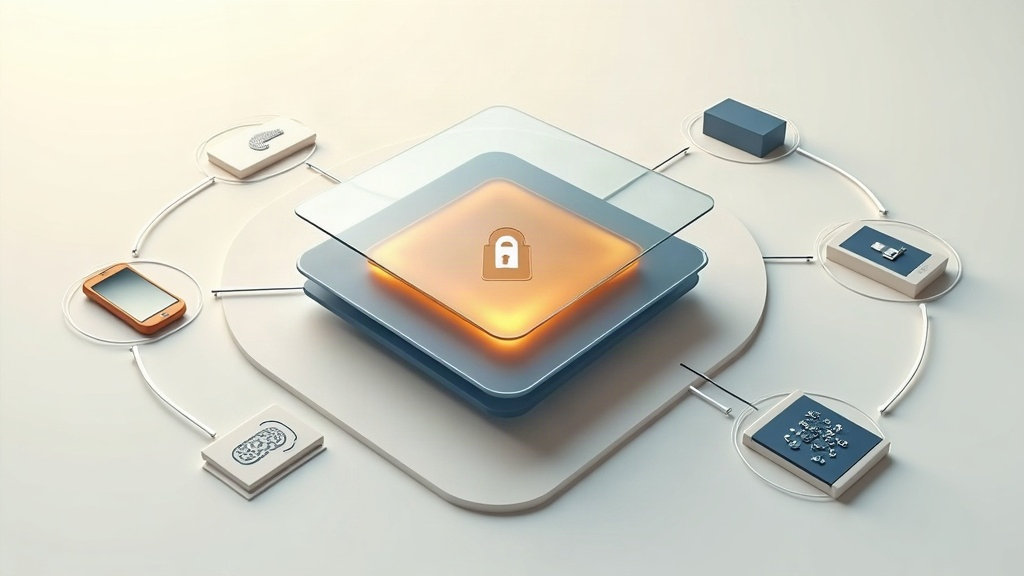
When it comes to securing your digital finances, many individuals find themselves grappling with conflicting information and expectations. The implementation of Multi-Factor Authentication (MFA) and biometric verification raises questions about their actual effectiveness and usability. While they are touted as advanced security measures, the nuances of these technologies often lead to misunderstandings. For instance, many users worry about the potential inconveniences MFA may add to their banking experience, affecting how often they engage with their digital financial tools.
Moreover, the complexities surrounding digital security are not easily resolved with blanket advice. The tradeoffs between convenience and enhanced security require careful consideration. Some individuals may mistakenly believe that relying solely on biometrics—or that having a robust password is enough to safeguard their accounts—leads to a false sense of security. As digital threats evolve, so too do the methods and technologies employed to counteract them. This dynamic landscape necessitates an informed approach, blending security with everyday banking practices.
As you navigate this terrain, understanding these technologies—how they work, their limitations, and the rights you have in using them—can significantly impact your long-term financial security. Engaging deeply with these topics not only eases concerns but also fosters rational decision-making in your personal finance journey.
Why do many people underestimate the importance of Multi-Factor Authentication (MFA)?
Multi-Factor Authentication (MFA) is frequently overlooked by users who presume that a strong password alone suffices for their online banking needs. This misconception stems, in part, from a lack of visibility into the evolving threats posed by hackers and other cybercriminals. Users might not fully appreciate that a simple password can be compromised relatively easily through methods such as phishing or brute force attacks, leaving their accounts vulnerable. The effectiveness of MFA lies in its ability to add a critical second layer of security, making unauthorized access significantly more challenging.
The tradeoff here exists between perceived convenience and actual security. Many people view MFA as an inconvenience due to the extra steps required during login or transactions, which can lead them to disable the feature entirely. However, what they might not realize is that this slight inconvenience drastically increases their security. In many instances, the systems of online banks are set up to recognize unusual activity, and MFA can detour attackers taking advantage of compromised passwords.
What do most people misunderstand about biometric security measures?
Biometric security measures are often misinterpreted as foolproof or entirely secure. While they do provide an advanced form of identity verification—using features like fingerprints or facial recognition—they are not infallible. Many users tend to think that because they have set up a biometric security feature, their accounts are completely secure. This belief can create a false sense of security, leading individuals to neglect other necessary precautions such as monitoring account activity or updating passwords regularly.
The truth is that biometric data can sometimes be spoofed or hacked. For instance, high-definition photographs or sophisticated techniques can trick facial recognition software, and fingerprint scanning isn’t immune to duplication. Additionally, understanding the implications of sharing inherent biometric data is essential. In the event of a database compromise, users might not have the option to change their fingerprint or facial features compared to altering a password. The permanence of biometric information makes its security critical, highlighting the need for additional safeguard mechanisms alongside biometrics.
How does relying exclusively on passwords affect your online security?
Relying solely on passwords has become increasingly risky in today’s digital ecosystem. While strong, complex passwords provide a baseline level of security, they’re often insufficient against today's sophisticated hacking techniques. The complexity required for a secure password can be overwhelming, leading individuals to practice poor habits, such as using the same password across multiple accounts or storing passwords in insecure formats. These behaviors make a single point of failure, where the compromise of one password could result in the jeopardization of multiple accounts.
Moreover, many people mistakenly believe their passwords are secure simply because they meet certain guidelines—length, special characters, etc.—without recognizing external factors that can lead to exposure, such as Wi-Fi vulnerabilities or social engineering tactics. The inherent assumption that no one would gain access to their password is a misreading of reality; breaches happen daily, and having a single line of defense limits one's ability to respond effectively to data threats. This creates a precarious situation where a compromised password could yield devastating financial consequences.
What happens when you disable MFA or biometric features to simplify access?
Tempting as it may be to streamline your online banking experience by disabling multi-factor authentication or biometric verification, doing so can significantly diminish your digital security. Users often make this choice believing that fewer steps will expedite access to their accounts; however, this convenience often comes at a serious cost. When MFA or biometric tech is disabled, you relinquish an essential layer of protection against unauthorized access, effectively leaving your account more vulnerable to attacks.
This tradeoff becomes particularly concerning if your credentials have been compromised, as cybercriminals subsequently gain unimpeded access to sensitive financial information. Without the backup verification provided by MFA or biometrics, malicious actors can manipulate financial data and carry out unauthorized transactions, resulting in irreversible financial losses. The complexities of modern online threats necessitate precautionary measures that often outweigh the convenience of an uncomplicated login process.
Is it actually better to keep biometric data on-device versus in the cloud?
The debate on whether to store biometric data on-device or in the cloud illuminates the nuanced landscape of digital security. Many users assume that keeping their biometric data solely on their devices is inherently safer than storing it in the cloud. On-device storage keeps your sensitive information localized, potentially reducing exposure to breaches that could impact cloud servers; however, there are additional layers to consider. For instance, if your device is lost or stolen, immediate compromises could occur, leaving your biometric data accessible to malicious actors.
On the other hand, cloud storage can provide advanced encryption and ongoing updates that improve security over time. However, it may pose risks if a cloud service is compromised or targeted by hackers. This potential for widespread exposure can magnify fears regarding privacy and long-term security implications for users. Understanding that neither option is without tradeoffs is vital; context surrounding your usage habits and the level of security practiced by service providers can significantly influence which method may be more effective for you.
How does the failure to regularly update security measures impact your financial accounts?
Neglecting to regularly update security measures is an often-overlooked aspect of maintaining financial account safety. Those who set up MFA or biometrics may initially feel secure, but digital threats evolve continually. As new vulnerabilities arise, failing to update security protocols can have catastrophic results. Many users mistakenly believe that if their current methods have been operational for a while, there is no need for reassessment. This oversight can be a gateway for hackers to exploit outdated security measures, particularly as they adapt to circumvent existing counter-measures.
Additionally, an adherence to a singular set of security practices can create complacency. Individuals might resist making necessary adjustments or adopting advancements, believing that standing still is acceptable. This mindset can lead to widespread ramifications if an attacker successfully exploits a previously unknown vulnerability, resulting in potential financial losses or identity theft. Regularly refreshing security protocols ensures that users are prepared to face rising threats with effective countermeasures in place.
What are the long-term consequences of neglecting to blend advanced security methods into your financial routine?
Failing to integrate advanced security methods such as MFA and biometric verification into your financial routine can yield long-term impacts that reach far beyond temporary inconvenience. The most glaring consequence is the heightened risk of fraud, which can escalate quickly. Users who view these security measures as optional are statistically more likely to face financial repercussions due to unauthorized access or account hijacking, resulting in significant monetary loss that can disrupt personal financial goals.
Furthermore, neglecting to enhance one’s security measures can have ramifications for overall mental well-being. The anxiety stemming from uncertainty around financial safety can affect decision-making and, ultimately, one’s relationship with money. Users who have experienced breaches often find themselves in a cycle of worry, frequently obsessing over financial security rather than confidently managing their finances. This ongoing distress impacts long-term financial planning and can lead to hesitancy in engaging with digital banking, contrary to what budgeting practices may seek to achieve.
| Security Feature | Convenience | Level of Security | Risk Factors |
|---|---|---|---|
| Strong Passwords | High | Medium | Easy to compromise without added measures |
| Multi-Factor Authentication | Medium | High | Potential for frustration and account lockouts |
| Biometric Security | High | High | Permanent data less adaptable if compromised |
| Regular Updates & Monitoring | Medium | High | Time-consuming but crucial for ongoing security |
Understanding the Role of Multi-Factor Authentication and Biometrics in Securing Your Online Banking
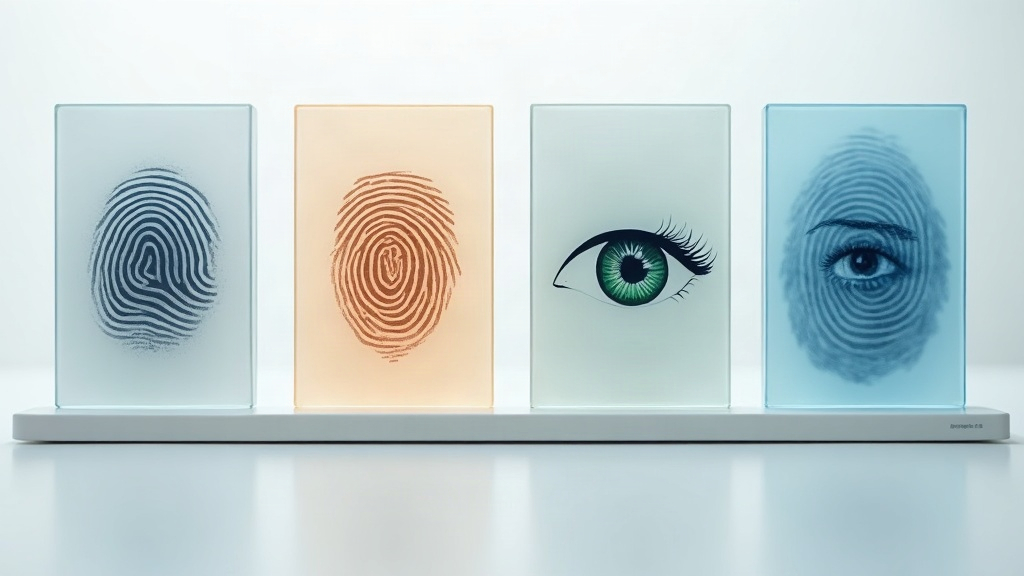
As digital banking continues to rise, securing your online finances has never been more crucial. Multi-factor authentication (MFA) and biometric technologies stand at the forefront of this battle, providing layered security that protects against unauthorized access. However, while these technologies enhance security, they also introduce complexities that require careful consideration.
Choosing the right security measures for your digital banking requires a nuanced understanding. Relying solely on passwords is no longer sufficient; threats are evolving, and so must our defenses. By comprehending how MFA and biometrics function, you empower yourself to make informed decisions about safeguarding your financial data, ensuring both security and peace of mind.
-
The Fundamentals of Multi-Factor Authentication
Multi-factor authentication adds an extra layer of security by requiring two or more forms of verification before accessing your account. This typically includes something you know (a password), something you have (a device), or something you are (biometric data).
Understanding this foundation is vital as it highlights the importance of not putting all your security eggs in one basket. With MFA, even if your password is compromised, an additional factor prevents unauthorized access, dramatically increasing your protection.
-
Banking Applications of Biometrics
Biometric authentication employs unique physical characteristics—such as fingerprints, facial recognition, or voice patterns—to verify user identities. This technology can significantly enhance security because biometric data is much harder to replicate than traditional passwords.
When applying biometrics in banking, consider the underlying technology's reliability and user acceptance. The convenience of instant access through biometrics must be balanced against potential privacy concerns and data security issues.
-
Real-World Examples of MFA in Action
MFA is becoming increasingly common in online banking environments. Banks often implement it by sending a one-time code to your registered mobile device after you enter your password, requiring you to verify your identity through an additional step.
This video illustrates how a major bank effectively utilizes MFA to protect customer accounts. By showcasing a step-by-step verification process, it clarifies the seamless experience users encounter while securing their transactions. Recognizing these processes helps users understand the significance of embracing MFA in their financial dealings.
-
Limitations of Password-Based Security
While passwords have been a traditional security measure, they are increasingly inadequate against modern threats. Users often choose weak passwords or reuse them across multiple platforms, putting themselves at risk.
The weaknesses inherent in relying solely on passwords make it vital to adopt more sophisticated security methods, like MFA and biometrics, to combat these risks effectively.
-
Advantages and Disadvantages of Biometrics
Biometric systems provide undeniable advantages, such as convenience and enhanced security, as users do not need to remember complex passwords. However, they also come with disadvantages, including the potential for false rejections and the significant concern of data breaches.
Evaluating both sides ensures that while enjoying the conveniences of biometric technology, one also understands the implications for data privacy and security.
-
Future Trends in Digital Banking Security
The landscape of online banking security is rapidly evolving, with both MFA and biometrics set to become increasingly sophisticated. Emerging technologies, such as behavioral biometrics—which analyze user patterns—promise to enhance security even further.
This insightful video discusses how new technologies are enhancing the security of online banking. By keeping abreast of these trends, users gain a clearer picture of the safety measures available to them, providing assurance and confidence as they engage in digital financial interactions.
-
Regulatory Perspectives on Security Practices
Financial institutions are increasingly required to adhere to strict regulations concerning data protection and user privacy. Understanding these regulations provides insights into the necessity of implementing strong security measures like MFA and biometric verification.
Regulatory compliance influences not only the security framework of banks but also the confidence of their customers. Staying informed about these regulations aids in gauging the robustness of your bank's security practices.
-
The Importance of User Education
Even the most sophisticated security measures can fail without user awareness and education. Financial institutions need to engage their customers in understanding how to use MFA and biometric technologies correctly.
Educated users are less likely to fall victim to fraud and are more likely to embrace the technologies that keep their accounts safe. Empowering users through education creates a more secure banking environment overall.
| Security Measure | Strengths | Weaknesses |
|---|---|---|
| Multi-Factor Authentication | Enhanced security; effective against password theft | Requires multiple steps; may frustrate users |
| Biometric Authentication | Convenient; hard to replicate; unique to each user | Potential for false rejections; privacy data concerns |
| Password Security | Widely understood; straightforward implementation | Inadequate against modern threats; often weak |
Strengthening Your Digital Finances with Robust Security Measures
In today’s rapidly evolving digital landscape, many individuals feel overwhelmed by the complexities of securing their online financial information. As people increasingly conduct banking transactions online, the stakes are higher, and the threats more sophisticated. Common misunderstandings often revolve around the efficacy and necessity of advanced security protocols like multi-factor authentication (MFA) and biometric identification. This confusion can lead to a hesitant approach towards implementing these protective measures, which indeed are critical in safeguarding one’s financial health.
Correct execution of security practices not only protects personal and financial data but also instills confidence in online banking. Without a clear understanding of how to properly leverage technologies such as MFA and biometrics, users expose themselves to risks they might not even be aware of. As we delve into the practical steps you can take, we will not only clarify how to implement these strategies effectively but also highlight common pitfalls to help you navigate this landscape with greater awareness.
1. Understanding Multi-Factor Authentication
Multi-factor authentication enhances online security by requiring two or more forms of verification before granting access to your accounts. Typically, this includes something you know (like a password), something you have (such as a smartphone), and something you are (biometric data). The primary reasoning behind MFA is to create additional layers of security, making unauthorized access significantly harder.
Many individuals mistakenly believe that a strong password alone is enough protection. However, study after study has shown that passwords can be easily compromised. By implementing MFA, even if your password falls into the wrong hands, the additional verification step can keep intruders at bay. Prioritizing this technology can drastically reduce your chances of falling victim to financial fraud.
2. Using Biometric Security Features
Biometric security technologies, such as fingerprint recognition, facial recognition, and voice identification, provide an avant-garde approach to securing your accounts. These methods not only offer enhanced privacy but also streamline user experience by removing the need to remember complicated passwords. Biometrics work based on unique physiological characteristics, making them extremely difficult for fraudsters to replicate.
However, many consumers express concerns about privacy and the potential misuse of their biometric data. While these are valid considerations, reputable banks utilize highly secure algorithms that encrypt your biometric information, ensuring it cannot be easily exploited. These measures not only fortify personal security but can also expedite transactions, giving you more control over your finances.
3. Assessing Your Current Security Setup
Before implementing advanced security features, it’s important to critically evaluate your current online banking setup. Are you currently using MFA or biometrics? What security protocols are in place? A comprehensive assessment provides a clear picture of existing vulnerabilities and areas for enhancement.
A common mistake is lowballing security risks, often leading to inadequate protection measures. Understanding the spectrum of threats, from phishing scams to malware, can influence decisions on what security upgrades to prioritize. Remember, a proactive stance on security today can save much heartache—and money—down the road.
4. Choosing the Right MFA Method for Your Needs
When implementing MFA, you may encounter several options including authentication apps, SMS verification, or email codes. Each has its pros and cons. For example, while SMS verification is relatively easy to set up and user-friendly, it can be susceptible to interception. On the other hand, authentication apps offer a more secure alternative, though they require an initial setup process that some may find cumbersome.
Choosing the right method depends on your comfort level and specific security needs. Evaluating the trade-offs and potential risks associated with each method can guide you in making an informed decision. Opting for a more secure but complex option could save you from potential financial disasters in the long term.
5. Regularly Updating Security Information
Online security is not a set-it-and-forget-it task. Regularly updating your security measures—such as passwords, MFA methods, and biometric configurations—is vital in adapting to evolving threats. Many users underestimate the importance of this ongoing vigilance, often waiting until a breach occurs before taking action.
By routinely assessing and refreshing your security approach, you bolster your defenses against emerging threats. It may require more attention in the short term, but the long-term benefits, including reduced risk of fraud, are well worth the effort. Keeping an active mindset around security can transform your approach to online banking.
6. Understanding Recovery Options
An often-overlooked aspect of security is having a solid recovery plan in case of lost access to your account. This is particularly crucial when using MFA or biometrics. If your phone is lost or compromised, do you know the steps to regain access? Understanding the recovery options available can save you significant stress during a crisis.
Many users fail to set up alternative recovery methods, leading to inaccessible accounts. Taking the time to explore all recovery options—such as alternative email addresses or backup codes—can safeguard against potential disasters. Always familiarize yourself with your bank’s specific recovery processes; being prepared means you can quickly address any issues that arise.
This video demonstrates real-world examples of how businesses incorporate MFA and biometrics into their security protocols, illustrating effective strategies to enhance user safety. Understanding these applications helps reinforce why such technologies are imperative in our daily banking practices.
| Method | Pros | Cons |
|---|---|---|
| SMS Verification | Easy to use, widely adopted | Vulnerable to interception |
| Authentication Apps | More secure, real-time codes | Requires app download and setup |
| Biometric Security | Unique to individual, fast access | Privacy concerns, device dependency |
This second video provides insights on the challenges and successes surrounding biometric security implementations in banking. Gaining this perspective helps clarify why decisions made about security technologies significantly affect users’ financial safety.
Common Missteps in Digital Security Implementation
- Underestimating the importance of MFA.
- Choosing convenience over security when setting up methods.
- Neglecting to update passwords regularly.
- Failing to set up a robust recovery plan.
- Assuming that “good enough” is truly good enough.
- Overlooking the importance of educating oneself about threats.
Evaluating Your Security Success
To gauge your progress in implementing security measures, consider both short-term wins and long-term resilience. One effective measure is consistently monitoring any unauthorized access attempts. Many banking institutions provide alerts, which can help you assess whether your protective measures are effective.
Long-term evaluation rests on your comfort level and confidence using online banking. If you find yourself continually worried about breaches or fraud, it may indicate deeper security issues must be addressed. Maintaining realistic expectations about not only the security measures in place but also the changing landscape of cyber threats is essential for a balanced view of online banking security.