
Best Mobile Banking Apps for Online Checking Features and Tools
Reviews of online checking accounts with top rated mobile apps seamless user experience and advanced digital money management features

Guides in this section
Browse the guides that belong to this section.
What Should You Know About Navigating Mobile Banking Apps for Online Checking?

Mobile banking apps today are designed to enhance your financial experience, but they often come with nuances that can create confusion for users. Many people assume that all banking apps provide the same features, but that's far from the truth. Each app can offer different tools for managing your online checking accounts. Misunderstanding these differences may lead to frustrating banking experiences or missed opportunities to optimize your finances.
This complexity increases when you consider that not every top-rated app is suitable for every user. Different individuals have different needs—some might prioritize budgeting tools, while others might seek real-time transaction alerts. As such, decisions about which app to use shouldn't merely hinge on surface features but require a deeper inquiry into how those features align with your financial habits and goals.
Moreover, simple advice like “choose the one with the highest rating” can be misleading. High ratings can reflect a broad user base's experience, yet they don't account for individual financial behavior and need. Thus, exploring the variations in apps, their functionalities, and their long-term implications is crucial for confident decision-making.
Why do many people misunderstand the importance of budgeting features in mobile banking apps?
Budgeting features can seem straightforward, yet their complexity is often underestimated. Many people think any budgeting tool is sufficient to track their spending, but the effectiveness of these tools can vary dramatically. Some apps offer only basic categorization, while others provide advanced features like spending projections, customizable categories, and alerts when you approach your budget limits. Choosing an app without diving into these details may lead to missed opportunities for deeper financial insights.
The trade-offs can be significant. An app with a simple budgeting tool might make it easier to get started, but will it allow for the granularity you need as your financial situation evolves? Conversely, a more complex app might initially overwhelm you but ultimately empower you to make more informed decisions. Understanding the level of detail you require for effective budgeting is crucial to selecting the right app.
Ultimately, appreciating what constitutes a “good” budgeting feature requires introspection about your financial habits. Are you a spontaneous spender, or do you meticulously track every penny? Your answer should guide your choice of app, rather than relying solely on external ratings or recommendations.
What happens when you rely solely on mobile banking for cash management?
Relying entirely on mobile banking might appear convenient, yet it presents significant risks. Many users overlook the fact that while mobile apps provide robust interfaces for managing funds, they cannot wholly replace the tactile experience and additional controls available through traditional banking. Features like in-person consultations, physical checks, and immediate cash withdrawals from ATMs can be indispensable in certain situations.
This reliance can also breed complacency. If you solely depend on mobile notifications and app prompts, you might neglect broader financial planning or miss out on critical financial opportunities. For instance, an app may fail to inform you about changes in terms, hidden fees, or potential savings products that can enhance your financial wellness. In short, while it's beneficial to use mobile banking for convenience, it’s crucial to complement it with a proactive financial strategy.
Furthermore, the potential for technical issues cannot be ignored. App outages or glitches can hinder access to your accounts, leading to financial stress. Having an alternative system for tracking your finances, whether through spreadsheets, financial advisors, or even physical ledgers, can safeguard against unexpected issues that mobile-only users may face.
Is it actually better to choose a mobile banking app based on user reviews alone?
While user reviews can provide valuable insights into an app's functionality, basing your decision solely on these reviews is fraught with pitfalls. Individual user experiences vary widely due to personal financial needs and goals. An app that works beautifully for one user may be clunky or insufficient for another, depending on their unique financial landscape.
Additionally, the tendency to focus on ratings can lead to a lack of self-awareness. Ratings usually reflect performance in specific areas, such as ease of use or customer support, rather than the holistic experience of managing finances. For example, a highly-rated app might excel in customer service yet provide weak budgeting tools, causing long-term drawbacks for someone focused on day-to-day spending management.
What do most people misunderstand about the security features of mobile banking apps?
Security is often oversimplified in discussions about mobile banking apps. Many assume that all apps offering encryption and biometric access are equally secure, but that is a misunderstanding. Security features vary not just in their type but in their implementation and effectiveness. For instance, two apps might both claim to use encryption, but if one uses outdated methods, it could make your financial information vulnerable.
Moreover, user behavior plays a significant role in overall security. Many people unwittingly compromise their own financial security by ignoring secure practices, such as regularly updating passwords or enabling two-factor authentication. Relying solely on app features without implementing personal security measures can create a false sense of safety.
How does this affect long-term outcomes for your financial health?
The choice of mobile banking app can have profound long-term consequences on your financial health. Many users may overlook this reality, focusing instead on immediate features like user experience or the appeal of certain tools. The implications, however, extend beyond convenience. For example, an app that provides robust financial analysis can facilitate wise spending and saving habits over time, while one that lacks such insights may lead to poorer financial decisions.
Moreover, the continuity of your banking experience also matters. Frequent app changes, driven by dissatisfaction with initial choices, can disrupt financial tracking or complicate budgeting. Constantly adjusting to new apps can lead to fragmented data and reduce your overall financial literacy if you're not consistently analyzing your financial behavior.
What hidden challenges might arise when switching banking apps?
Switching mobile banking apps may seem simple, but it often comes with hidden challenges that can lead to financial frustrations. Many users underestimate the complexities involved in transferring data, updating automatic payments, and ensuring that account integration is seamless. Failure to carefully navigate this transition may result in missed payments or disrupted financial tracking.
Is switching banking apps frequently detrimental to your financial management?
Frequent changes to banking apps can impact your financial health more than you might realize. While it may be tempting to jump ship whenever a new app touts innovative features, this behavior can lead to a fragmented understanding of your finances. Each app has its unique interface, and constantly switching can result in difficulties in tracking long-term spending and saving patterns, which are crucial for effective financial planning.
| Factor | Considerations | Long-Term Impact |
|---|---|---|
| Security Features | Assess encryption, authentication, and user behaviors. | Critical for safeguarding your finances; neglect can lead to breaches. |
| Budgeting Tools | Evaluate simplicity vs. depth of functionality. | Affects spending habits and financial literacy over time. |
| User Experience | Look for intuitive design vs. necessary complexity. | Translates to ease of managing your finances effectively. |
| Review Reliance | Understand user experiences vs. personal needs. | Crucial for informed decision-making that aligns with your goals. |
| App Switching | Consider long-term loyalty vs. feature hunting. | Ensures continuity and deeper understanding of personal finance. |
Essential Considerations for Choosing the Right Mobile Banking App

In an increasingly digital world, mobile banking apps have transformed the way we manage our finances, particularly with online checking accounts. It’s crucial to grasp the nuances in features and tools offered by these apps, as the right choice can enhance your budgeting capabilities, streamline transactions, and ultimately improve your financial health. As you explore your options, consider that a single feature might not be the decisive factor; a comprehensive evaluation is essential for making informed decisions.
Choosing a mobile banking app is akin to selecting a partner for your financial journey. You deserve an app that not only meets your immediate needs but also evolves with your financial habits and transactions. Your decision can influence your efficiency in managing money and establishing a healthy spending pattern, so let’s delve into the key factors that will help you narrow down your options.
-
User Experience and Interface Design
A clean, intuitive interface is vital. A mobile banking app should facilitate easy navigation, using familiar icons and prompts. Look for features like customizable dashboards where you can view your most important financial data at a glance. Remember, your time is valuable; an app that minimizes confusion will enhance your overall experience.
Also, consider applications that offer a seamless onboarding process. First impressions count, and the initial setup should be straightforward, allowing you to start managing your finances without unnecessary delays.
-
Security Features
With increasing concerns over data privacy and identity theft, security measures in mobile banking apps cannot be understated. Look for features like two-factor authentication, biometric login options (like fingerprint and facial recognition), and robust encryption protocols that secure your financial information.
Additionally, investigate the app's track record regarding data breaches and how quickly vulnerabilities have been addressed in the past. A trustworthy mobile banking app should demonstrate ongoing commitment to security.
-
Integrated Budgeting Tools
Modern mobile banking apps often come equipped with budgeting features that can help you stay on top of your finances. These tools may include spending analysis, transaction categorization, and automated savings suggestions based on your spending habits.
This video illustrates how integrated budgeting tools within a mobile banking app help users visualize their spending and saving habits. By actively tracking these metrics, you can make more informed financial decisions. Understanding the potential benefits enables you to choose an app that aligns with your budgeting philosophy.
-
Access to Customer Support
Regardless of how user-friendly a banking app is, questions and issues will arise. Effective customer service is crucial. Look for apps that provide multiple support channels, such as live chat, phone support, and responsive social media teams.
Additionally, check for in-app support options that allow you to troubleshoot problems without leaving the app. Efficient customer service not only resolves issues rapidly but also contributes to your overall satisfaction and trust in the app.
-
Transaction Limits and Fees
Understanding the fee structure associated with your mobile banking app is paramount. Some apps may offer free transactions up to a limit, while others might impose charges on certain types of transactions or for using ATM services outside their network.
Be mindful of monthly maintenance fees as well; find an app with transparent pricing and minimal hidden costs. Carefully evaluating these elements will prevent unexpected fees from derailing your budget.
-
Mobile Deposit and Check Writing Features
For many, the ability to deposit checks through their mobile device is a game-changer, providing unparalleled convenience. A reliable mobile banking app should offer streamlined mobile deposit capabilities with a clear interface for capturing checks electronically.
This video highlights the ease and efficiency of mobile check deposits through a specific banking app, showcasing how effortlessly users can manage their finances on-the-go. Understanding how to utilize these features can enhance your overall banking experience, ensuring you make the most of modern technology.
-
Integration with Other Financial Tools
The ability to link your mobile banking app with other financial tools—like investment platforms and budgeting software—can significantly enhance your financial management. Look for apps that allow for easy integration, providing a holistic view of your finances.
Such interconnectedness can promote consistent tracking of both spending and savings, aiding in achieving financial goals more effectively. Evaluate how well the app plays with others in your financial ecosystem.
-
Rewards and Incentives
Finally, some mobile banking apps offer rewards or incentives for specific behaviors, such as making a certain number of transactions or setting aside savings. Evaluating these incentives can add extra value to your banking experience.
Moreover, consider how these features align with your financial behaviors; choosing an app that offers rewards tailored to your habits can enhance motivation and engagement in achieving your savings goals.
| Feature | App A | App B | App C |
|---|---|---|---|
| User Experience | Excellent | Good | Average |
| Security Measures | Strong Encryption | Two-Factor Auth | Basic Security |
| Integrated Budgeting Tools | Yes | Yes | No |
| Customer Support Access | 24/7 Chat | Business Hours Only | Limited Support |
| Mobile Deposit | Available | Available | Not Available |
| Transaction Limits | $500/day | $1000/day | $250/day |
| Reward Programs | Cashback | Points System | None |
How to Choose and Utilize the Best Mobile Banking Apps for Your Online Checking Needs
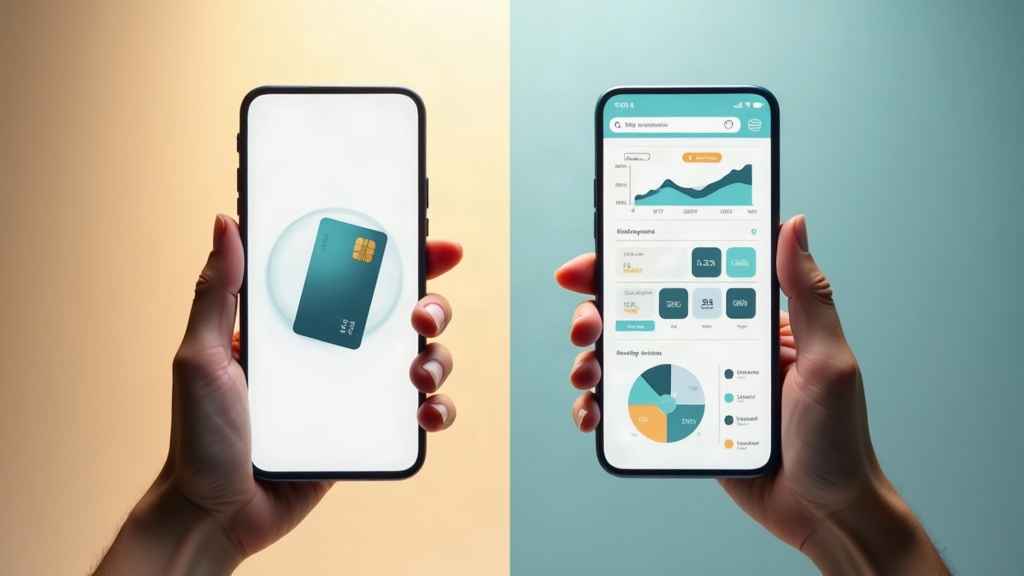
In the rapidly evolving landscape of personal finance, many people face a daunting array of choices when it comes to selecting a mobile banking app that fits their online checking needs. The struggle often arises from a lack of clear understanding of what features truly count and how these app functionalities impact daily money management. With scores of options touting their offerings, it can be overwhelming to discern which app aligns with not just financial goals but also user experience expectations.
Common barriers may include insufficient knowledge of mobile banking features, such as budgeting tools, security measures, and user interface design. When users can’t clearly compare these aspects, they may either overspend their time evaluating or simply settle for an app that doesn’t offer ideal functionalities. This lack of proper execution can lead to financial missteps, resulting in wasted time or even higher fees in managing accounts. Understanding how to effectively choose and apply the features of top mobile banking apps can empower users to take control of their finances in a more streamlined and efficient manner.
1. Identify Your Financial Goals
Before diving headfirst into app selections, take a moment to clarify your financial aspirations. Are you looking to save money, track monthly expenses, or perhaps manage investments alongside your checking? Each goal will demand different features from an app. For example, if your hope is to build savings, then look for apps that offer high-interest savings accounts or automatic savings tools.
This approach is crucial as it narrows your focus. Without specifying your goals, you risk overwhelming yourself with options. A well-defined purpose ensures that any app you choose can support your journey rather than derail it with unnecessary features.
2. Assess the User Experience (UX)
When evaluating mobile banking apps, prioritize user experience. A well-designed app is not only intuitive but also helps prevent financial errors by minimizing navigation friction. Look for reviews that highlight the ease of use, especially for crucial functions like transferring funds or accessing budgeting tools.
Consider downloading a few apps that catch your eye and experience them firsthand. Sometimes, seeming features on paper may fall flat in actual use due to poor design. Pay attention to how quickly you can find essential information, as a cumbersome interface can lead to inadvertent mistakes, such as making late payments or miscalculating budgets.
3. Compare Security Features
In the world of online banking, security is paramount. Scrutinize each app's security measures, such as two-factor authentication, encryption protocols, and fraud detection tools. While no platform can guarantee complete safety, reputable apps invest in robust security features that minimize risks for their users.
It’s essential not to compromise on security features simply for ease of use. A blend of user-friendliness and strong security can help protect your financial data from potential breaches, making it an indispensable factor in your selection process.
4. Examine Integrated Financial Tools
Modern mobile banking apps go beyond simple checking functionalities; they also provide enhanced tools to aid in financial management. Look for features such as automatic budgeting, expense categorization, or goal-setting capabilities. These tools can give you a clearer picture of your spending habits and help you stay on track toward your financial objectives.
However, be mindful of the trade-offs. Sometimes, including powerful financial tools may complicate an otherwise straightforward app. If you don’t expect to use a feature heavily, it might be better to choose a more streamlined app that meets your key needs rather than jumping on a packed, complex interface.
5. Evaluate Costs and Fees
Understanding the cost structure of each mobile banking app is crucial. While some apps offer free checking accounts, others might come with monthly maintenance fees or transaction costs. Analyze how these fees align with your banking habits to avoid unexpected charges. For instance, if you frequently make international transactions, look for an app that minimizes associated fees.
By aligning your usage patterns with the app's fee structure, you can better control your budget. Beware of short-term promotions that might lead you to overlook future costs. Always keep the bigger picture in mind to ensure financial health.
6. Seek User Recommendations and Reviews
Leveraging user experiences can provide insights that official reviews might miss. Search for reviews on credible forums, financial blogs, or social media platforms where discussions about banking apps happen. Feedback from real users often reveals advantages and pitfalls that can inform your decision-making process.
That said, exercise caution. Every user’s needs differ, and while one app might garner rave reviews for its budgeting features, it may not be the best fit for another user focusing on investment capabilities. Weigh the recommendations against your specific needs.
7. Trial and Adapt
Once you’ve narrowed down your mobile banking app choices, don’t be afraid to experiment. Utilize trial periods to see how well each app aligns with your financial practices and behavioral tendencies. This phase is about adaptation; how well does the app accommodate changes in your spending, saving, or investing habits?
Engaging in this trial and error method allows you to discover whether the app feels natural in your daily routine. Take notes on what works and what doesn’t, as refining your choice may take time but can lead to better financial management in the long run.
This video showcases the essential features that top mobile banking apps should offer. It connects to the topic by demonstrating how various users utilize these features in practice, enhancing the understanding of their functionalities and potential benefits.
| App Feature | Pros | Cons |
|---|---|---|
| User-Friendly Interface | Quick access to features | May lack advanced tools |
| Robust Security | Enhanced data protection | Possible longer login times |
| Integrated Budgeting Tools | Improved financial tracking | Complexity for basic users |
| Low Fees | Saves money over time | Possible limitations on features |
This additional video provides insights into common user experiences with banking apps, emphasizing how personal preferences impact app efficacy. It encourages reflection on what features truly matter for effective financial management.
Common Mistakes to Avoid
- Choosing an app based solely on marketing hype without considering personal needs.
- Overlooking hidden fees that can lead to higher costs over time.
- Not taking the time to understand security measures, risking data breaches.
- Neglecting to explore user reviews, leading to uninformed decisions.
- Settling on an interface that feels clunky or outdated, affecting usability.
Measuring Your Success
Success in utilizing mobile banking apps comes down to measurable outcomes. Establish metrics to evaluate your financial management effectively. Are you saving more? Tracking expenses more accurately? Or perhaps reducing unnecessary fees? Setting these markers not only provides clarity but also paves the way for course corrections when needed.
Remember that financial well-being is a marathon, not a sprint. Avoid the pitfall of expecting overnight changes and embrace a more gradual evolution in your financial habits. Stay committed to refining your approach as you interact with your chosen mobile banking app, adjusting as necessary based on what you learn about your own financial behavior.