
Energy Efficient & Vehicle Tax Credits
Information on current tax incentives for investing in clean energy and qualifying electric vehicle purchases or home improvements.

Guides in this section
Browse the guides that belong to this section.
Unpacking the Myths and Misunderstandings Around Energy Tax Credits
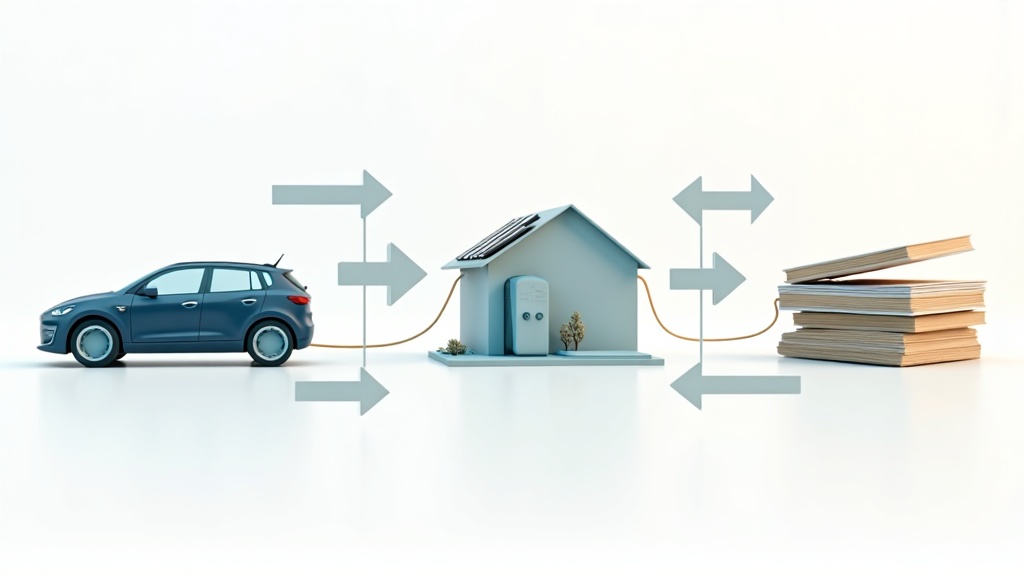
When it comes to tax credits for energy efficiency and electric vehicle purchases, many individuals find themselves navigating a maze of information and misinformation. Despite the potential savings and benefits, misconceptions linger regarding eligibility, the complexity of the application process, and the actual financial impact. This situation often results in missed opportunities to leverage tax incentives effectively.
Part of the confusion stems from the various types of credits available, as well as their evolving nature due to changing regulations. Individuals are often left wondering how to maximize their tax benefit while juggling other financial responsibilities. Moreover, the nuanced tradeoffs between different credits—like the decision to invest in an electric vehicle versus enhancing home energy efficiency—can complicate decision-making significantly.
Many might feel overwhelmed thinking they need to understand complex tax codes or advanced financial planning strategies to take advantage of these credits. Simple advice does not suffice because the implications can extend beyond initial savings, affecting long-term financial health. Understanding how these incentives work within the larger framework of personal finances is essential to making informed decisions.
Why do many people overlook potential tax credits for energy efficiency improvements?
One major reason individuals overlook tax credits is the assumption that these incentives are too complicated to pursue. The myriad of requirements and frequently changing eligibility guidelines can discourage even the most diligent consumers. Many wrongly believe that they need in-depth knowledge of taxation to claim these credits, leading them to abandon the idea altogether.
There’s also a common misconception that tax credits are primarily for low-income households or large businesses engaged in renewable energy projects. In reality, tax credits such as those for energy-efficient appliances and home improvements are accessible to a broad range of taxpayers. By failing to look deeper, individuals miss out on substantial savings that could significantly enhance their financial stability.
Furthermore, people often do not realize the long-term cost savings associated with energy efficiency improvements, such as reduced utility bills. Rather than simply looking at the immediate out-of-pocket costs, individuals should consider the overall benefits, including how borrower credits impact the resale value of their homes, leading to a smarter investment in the long run.
Is it actually better to invest in an electric vehicle over a traditional car for tax benefits?
Investing in an electric vehicle (EV) can provide significant tax benefits, such as the federal tax credit, which can be substantial depending on the vehicle’s battery capacity. However, this decision isn’t purely about immediate savings; it also involves weighing the potential depreciation of EVs and associated maintenance costs against those of traditional gas-powered vehicles. The long-lasting operational cost savings can be impressive, but the upfront investment might deter some buyers.
Moreover, many individuals fail to consider their driving habits and local energy regulations. States with stronger incentives or cheaper electricity rates make owning an EV more appealing, while individuals in regions with less favorable policies may not see benefits that outweigh the initial costs. Thus, it could lead to miscalculations in potential savings that don't account for these localized factors.
Before making a decision, one should analyze personal financial situations, the type of credits available in one's area, and the long-term implications of owning an electric vehicle versus a traditional one. This comprehensive understanding can greatly affect the financial outcome and justify the investment.
What are the hidden challenges of claiming home energy tax credits?
Claiming home energy tax credits can be more complicated than it appears on the surface. A common misconception is that homeowners who upgrade their efficiency merely need to spend a certain amount to qualify for credits. In reality, these upgrades often come with strict eligibility guidelines that can frustrate even the most prepared individuals.
An example of this is the requirement for specific products to meet efficiency ratings for tax credits. Homeowners might invest in upgrades they believe qualify, only to find out later they're ineligible. Additionally, if the installation is not performed by a certified professional, it could lead to further complications in claiming credits. This additional layer of oversight is crucial but often overlooked during the decision-making process.
Furthermore, the uncertainty surrounding the longevity of these credits can be daunting. Regulations change, and incentives can be phased out, impacting the financial calculations of these upgrades. Individuals must be proactive in understanding and keeping abreast of any legislative changes to avoid missing out on valuable credits.
How does the timing of implementing energy improvements affect tax credits?
Timing can significantly impact the ability to claim tax credits for energy improvements. Many taxpayers mistakenly assume they can wait to make improvements until they are financially comfortable. Due to annually renewed tax codes, credits can vary year to year, and desired programs might disappear, leaving potential savings on the table.
Additionally, individuals might not realize that some tax benefits require projects to be completed by a specific date. Failing to align project timing with the tax year can mean missing out on significant savings. Therefore, strategically planning when to invest in energy-efficient solutions is crucial for maximizing available tax credits.
Ultimately, it's essential to create a timeline that aligns both personal financial goals and broader tax implications to avoid missing these incentives. Implementing energy improvements at the right time can enhance financial outcomes and ensure claim eligibility while maintaining energy savings.
What do most people misunderstand about electric vehicle tax credits?
A widespread misunderstanding is that electric vehicle tax credits are universally applicable, regardless of the vehicle or taxpayer circumstances. Many do not realize that the amount of the credit can vary significantly based on the car’s battery capacity, as well as the manufacturer’s sales figures which can phase out incentives for specific models once they hit sales thresholds.
Furthermore, some believe that as long as they purchase an EV, they will automatically receive the credit without understanding the application prerequisites. Such factors as income limits, the vehicle’s eligibility, and how credits are applied to tax liabilities are essential components of this equation. Misjudging these aspects could result in fewer benefits than anticipated.
Also, the lingering question of whether the credit actually leads to lower overall costs can be misleading. While the upfront savings sound appealing, individuals must forecast long-term values and potential replacements or issues. Mismanagement of expectations can inadvertently lead to disappointment or feelings of inadequacy regarding the financial decision.
What happens when tax credits expire or change laws regarding electric vehicles?
When tax credits expire or regulatory changes occur, individuals can feel panic about their pre-purchase decisions. Many people mistakenly believe that they can effortlessly time their vehicle purchases to coincide with favorable tax credits, ignoring that these policies are often fluid and unpredictable.
In some cases, the sudden expiration of credits can leave consumers in a bind, especially if they have made financial investments based on anticipated savings. Therefore, navigating these changes requires consumers to maintain flexibility in their planning. Individuals who rely solely on existing regulations might miss broader industry shifts or subsidies that could benefit them more.
Moreover, tax law changes frequently occur without notice; thus, staying informed is crucial. Engaging financial advisors who specialize in energy incentives or following news related to green energy legislation can provide valuable insights and help strategize around potential losses or gains from expiring credits. This proactive approach can mitigate the negative consequences of sudden regulatory shifts.
How do energy tax credits interact with other deductions and financial benefits?
A common misunderstanding is that energy tax credits are standalone benefits without consideration of other deductions or incentives. Many taxpayers are unaware that they can stack various tax benefits, which can amplify their overall financial savings. However, understanding these interactions can become complex quickly, leading many to overlook opportunities.
For instance, an individual might receive tax credits for energy-efficient home improvements and also qualify for state incentives, thereby maximizing their return on investment. It's critical to evaluate not just the surface benefits of one credit but also how they can align and enhance the overall financial picture.
However, this interconnectivity can complicate tax filings and necessitate meticulous record-keeping, which often deters individuals from attempting to claim multiple benefits. Recognizing the full spectrum of potential savings requires diligent tracking of taxable benefits and appropriate financial guidance. Engaging knowledgeable professionals ensures that taxpayers benefit from whatever credits they qualify for and understand how they interact within the broader financial landscape.
| Consideration | Energy Efficiency Improvements | Electric Vehicle Acquisition |
|---|---|---|
| Upfront Costs | Often requires significant investment, but can vary based on types of improvements. | Can be a higher initial cost, but federal state credits mitigate expenses. |
| Long-term Savings | Reduced utility costs; improve home value over time. | Lower fuel costs and potential maintenance savings, depending on usage. |
| Complexity of Claims | Specific product requirements and installation criteria for credits. | Eligibility often tied to manufacturer conditions and fluctuating ownership incentives. |
| Market Variability | Market trends affect product prices and availability. | Potential phase-out of incentives as sales quotas are reached for specific models. |
| Regulatory Changes | Policy changes can affect available benefits. | Tax legislation can alter eligibility, impacting financial decisions. |
Maximizing Tax Benefits from Energy Efficiency and Electric Vehicle Investments
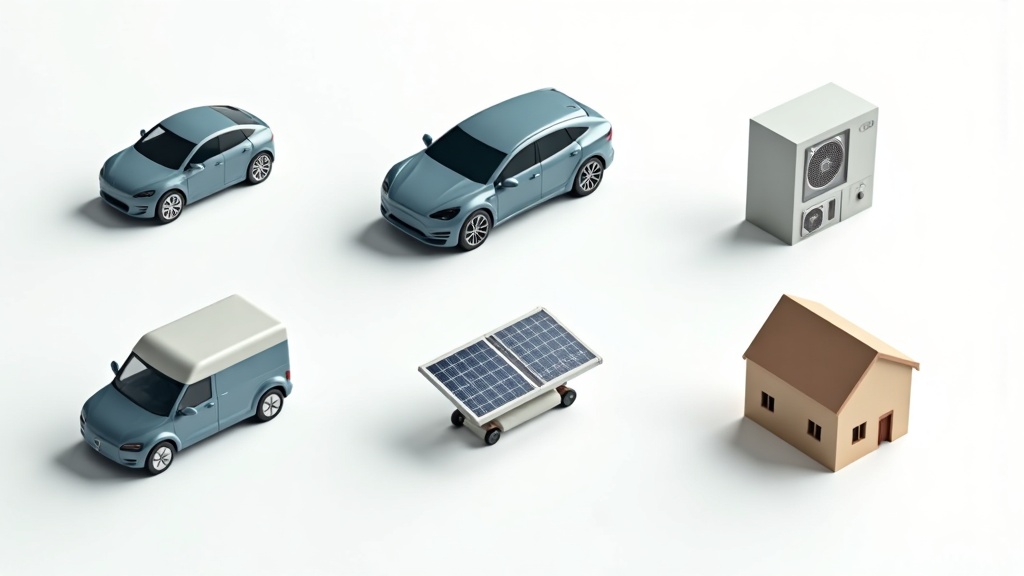
As consumers become more environmentally conscious and energy costs continue to rise, it’s essential to explore the tax credits available for energy-efficient upgrades and electric vehicle purchases. Understanding these incentives can lead to significant savings, making it a pivotal financial decision. With the nuances of tax laws and various credits available, taking the time to evaluate these options is key to maximizing your benefits.
This topic is not just about saving money today; it’s also about making a long-term investment in sustainability. Navigating the complexities of energy-efficient home improvements and electric vehicle tax credits can influence your decision-making, encompassing financial, environmental, and even lifestyle factors.
-
Federal Tax Credits for Electric Vehicles
The federal government offers varying tax credits based on the type and model of your electric vehicle (EV). As of recent reforms, the tax credit can provide a significant deduction of up to $7,500.
Incentives are frequently updated, so it’s vital to verify your vehicle's eligibility and understand the requirements to prevent any unexpected tax liabilities.
-
State and Local Incentives
Many states promote the adoption of electric vehicles and energy-efficient home improvements through additional credits and rebates. Each state has its own specific incentives that can supplement federal tax credits.
Researching your local programs can unveil options ranging from rebates on installation costs to grants for low-income households, which can significantly offset your initial investment.
-
Understanding Energy Efficiency Improvements
Home improvements like insulation, HVAC upgrades, and solar panel installations can qualify for various tax credits. Investments in these areas not only reduce your utility bills but can also lead to tax deductions that multiply your savings.
This video showcases real families dealing with the rising costs of energy and the impact of energy-efficient modifications to their homes. Understanding these firsthand experiences helps clarify the financial implications and long-term benefits of adopting energy-efficient technologies.
By connecting this personal narrative to your own potential upgrades, it emphasizes the tangible advantages of taking advantage of energy efficiency tax credits.
-
Combining Credits for Maximum Savings
Calculating potential savings from each can formulate a comprehensive strategy to maximize your financial benefits, making the sum significantly greater than separate deductions.
-
Planning for Phase-Outs and Adjustments
Tax credits for electric vehicles, particularly for certain manufacturers, may phase out after a specific number of vehicles are sold. Monitoring changes in legislation and understanding potential adjustments will impact your planning.
Staying proactive allows you to lock in your savings and consider your vehicle purchase timing accordingly. It’s about being aware and ready to act as tax policy shifts.
-
Future Trends: Legislative Changes and Credit Renewals
The electricity and automotive industries are rapidly evolving, often prompting legislative shifts that impact available credits. Keeping an eye on proposed legislation, even before it's enacted, can prepare you for future savings opportunities.
This video offers insights on how to save energy and money, focusing on the immediate benefits of adopting energy-efficient practices in your home. It reinforces the idea that staying ahead of trends can help not just today, but also in future planning for energy-related expenses.
These insights help underscore the importance of actively engaging with evolving rules on tax incentives, aiding in your decision-making process about energy efficiency investments.
-
Consulting with Tax Professionals
Navigating the complexities of tax credits can be challenging. Consulting with a tax professional can provide clarity, especially as laws change or potential audits loom. They can help ensure that you maximize every available credit and stay compliant with IRS regulations.
Investing in expert guidance may seem costly initially, but the returns on optimized tax credits can prove greatly beneficial in the long run.
-
Documentation and Record-Keeping
Maintaining meticulous records of your purchases and improvements is essential for claiming credits accurately and defending claims in the event of an audit. Proper documentation can include receipts, warranties, and tax forms.
Organizing these documents will not only facilitate an efficient filing process but also serve as proof of your investments, should scrutiny arise.
| Type of Credit | Eligibility Criteria | Potential Savings |
|---|---|---|
| Federal EV Tax Credit | Eligibility based on vehicle model and manufacturer sales | Up to $7,500 |
| State EV Incentives | Varies by state regulations | Ranges widely; check local programs |
| Energy Efficiency Improvements | Qualifying home upgrades, such as HVAC or insulation | Varies based on improvements and installation costs |
| Combined Credits | Must qualify for both EV and efficiency improvements | Potentially substantial overall savings |
Taking Advantage of Energy Tax Credits and EV Incentives
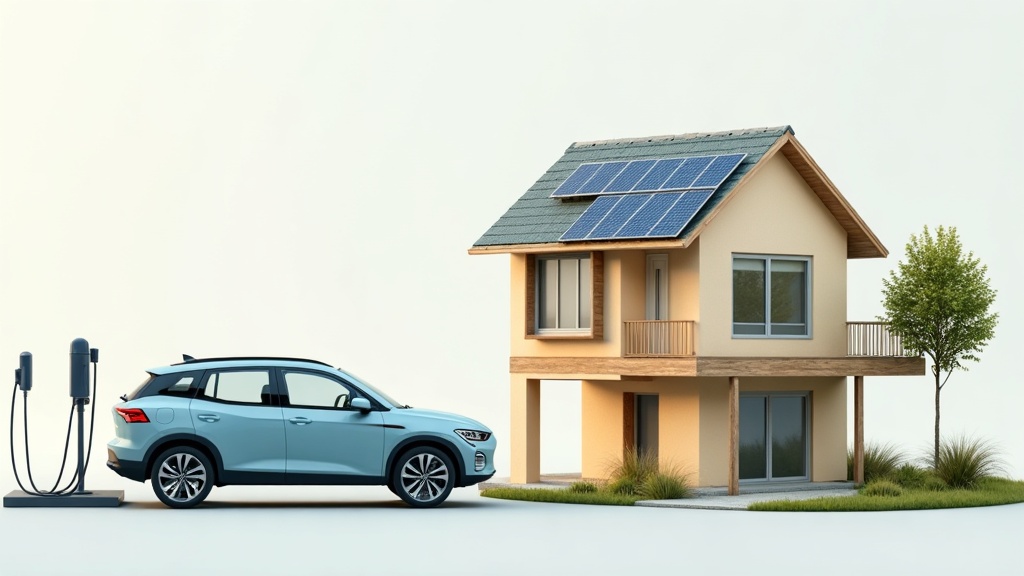
Many individuals and businesses are keen to invest in energy-efficient systems or electric vehicles (EVs) but often find themselves facing a unique set of barriers. The tax credits available for such investments can be complex and ever-changing, creating confusion about eligibility and the application process. Moreover, the financial implications of these investments—though potentially significant—can seem daunting at first glance. When you're trying to save money or reduce your carbon footprint, it’s essential to understand how to navigate this landscape efficiently.
Understanding the right steps to maximize your savings not only empowers you to make informed financial decisions but also enhances your overall investment strategy. Poor execution in applying for these credits can lead to lost opportunities and underwhelming outcomes. In this guide, we will break down actionable steps to help you confidently claim the energy-efficient and vehicle tax credits that can lighten your financial load while doing something good for the planet.
1. Understand the Types of Available Credits
The landscape of energy-efficient and vehicle tax credits is diverse, with a variety of federal and state programs designed to incentivize environmentally friendly purchases. Familiarizing yourself with these credits is the first step toward making informed decisions. For instance, the federal tax credit for electric vehicles can offer substantial savings anywhere from $2,500 to $7,500 based on the vehicle's battery capacity.
Next, consider state incentives. These may include rebates, tax credits, or grants specifically tailored to promote the adoption of EVs or energy-efficient appliances in your home. Researching the specific offerings in your state is crucial, as they can significantly affect the total savings possible. Ignoring these local incentives is a common mistake that can result in leaving money on the table.
2. Determine Your Eligibility
Eligibility requirements can vary widely depending on the type of incentive you are pursuing. For electric vehicles, eligibility often depends on several factors, including the date of purchase, the vehicle's battery capacity, and even the manufacturer's sales cap. Similarly, energy efficiency credits may require that you make purchasing decisions that meet state or federal guidelines.
Caution is essential here: failing to accurately assess eligibility can lead to project delays or disappointments come tax season. To avoid this pitfall, conduct thorough research and consider consulting a tax professional to clarify any lurking uncertainties about credit eligibility and your financial situation. Proper groundwork can save you considerable hassle later on.
3. Collect Documentation Early
When claiming tax credits, documentation is key. Make a checklist of all required documents needed for claiming your credits, which often includes proof of purchase and reports that show energy efficiency. Having these documents organized can smooth the process come tax time. If you purchase a new EV, for instance, retain the vehicle's purchase order or sales contract, as you will need to submit these to substantiate your claim.
Unfortunately, many people wait until the last moment to gather necessary paperwork, leading to frustration during tax preparation. Taking the time to collect your documentation as soon as you finalize your purchases ensures a much more enjoyable experience when it comes time to file your taxes.
4. Utilize Resources to Keep Updated on Changes
Tax credit programs are subject to legislative change; keeping abreast of these developments can feel overwhelming. However, staying informed is essential for maximizing your potential credits. Develop a routine to check reliable sources such as government websites, industry publications, or even tailored newsletters that summarize changes related to energy tax policies and electric vehicle incentives.
Consider establishing alerts or subscribing to updates from organizations dedicated to renewable energy or electric vehicles. Advantages of such foresight include knowing when to make eligible purchases or taking advantage of limited-time offers. Staying updated is a proactive way to manage your investments while contributing to sustainable practices.
5. Work with a Tax Professional
The complexities of tax credits can lend themselves well to confusion, and employing the expertise of a tax professional can make a world of difference. They not only understand the nitty-gritty of credits and deductions but also provide a wealth of experience regarding common mistakes and pitfalls to avoid. A qualified tax advisor can help ensure that all documentation is correctly filed and that eligibility criteria are met.
Investing in professional help is especially worthwhile if you're planning on making significant investments in energy-efficient upgrades or if you own multiple properties. The potential savings gained from an expert's oversight often far exceed the costs associated with hiring their services. It’s an investment that can pay off in both immediate savings and long-term planning.
6. Evaluate Long-Term vs. Short-Term Savings
When considering energy-efficient improvements or electric vehicle purchases, it's essential to analyze both short-term and long-term savings associated with these investments. The allure of immediate tax credits can sometimes overshadow the more substantial long-term financial benefits derived from energy savings or reduced fuel costs.
For instance, while an electric vehicle may require a larger upfront investment, the savings on gasoline and maintenance—combined with tax credits—could yield a significant net gain over time. Conversely, be mindful of situations where a lower initial cost may lead to higher long-term costs. Take your time to calculate the total cost of ownership, which can contribute to more rounded and informed financial decisions.
This video provides a valuable visual guide to navigating the world of energy-efficient tax credits and EV incentives. Its demonstration of the steps involved in claiming these credits reinforces the essential points discussed in this guide. Clarity on the procedural aspects enhances your understanding and equips you to tackle the process with confidence.
| Investment Type | Short-Term Savings | Long-Term Savings |
|---|---|---|
| Electric Vehicles | Tax credits up to $7,500 | Lower fuel costs and maintenance |
| Home Energy Improvements | Immediate tax credits/rebates | Reduced energy bills over time |
| Renewable Energy Installations | Installation tax credits | Energy cost savings and potential income |
This table simplifies the financial implications of short-term and long-term savings associated with energy-efficient investments. It highlights critical tradeoffs that often go unnoticed, supporting you in discerning the right choices—especially beneficial in budget planning and achieving financial goals.
This second video elaborates on making energy-efficient financial decisions by showcasing real-life examples of individuals who successfully navigated the tax credit landscape. It presents various perspectives that create a deeper understanding of how tax credits for electric vehicles and energy improvements can significantly impact your finances.
Common Mistakes to Avoid
- Failing to thoroughly research eligibility requirements.
- Neglecting to gather documentation until tax season.
- Ignoring local and state tax incentives available alongside federal credits.
- Overlooking long-term savings while fixating on immediate tax benefits.
- Trying to navigate the tax credit process without professional advice.
Measuring Your Success
To gauge the success of claiming energy-efficient and vehicle tax credits, adopt a balanced approach to evaluating results. Set realistic expectations for savings, considering both immediate benefits and the anticipated long-term savings that may emerge following your investments. Record your expenses and any incentives received to assess how they align with your initial financial goals.
While short-term wins can be gratifying, consider the broader scope of how your investments contribute to sustainable development and personal financial health. Over time, reflect on how these measures have shaped your budgeting and financial strategy, enabling a more eco-conscious lifestyle while reinforcing your monetary goals.