
Disputing Financial Errors and Credit Report Inaccuracies
Process for formally challenging errors and inaccuracies found on banking statements tax forms or credit reports

Guides in this section
Browse the guides that belong to this section.
Understanding the Complexity of Disputing Financial Errors
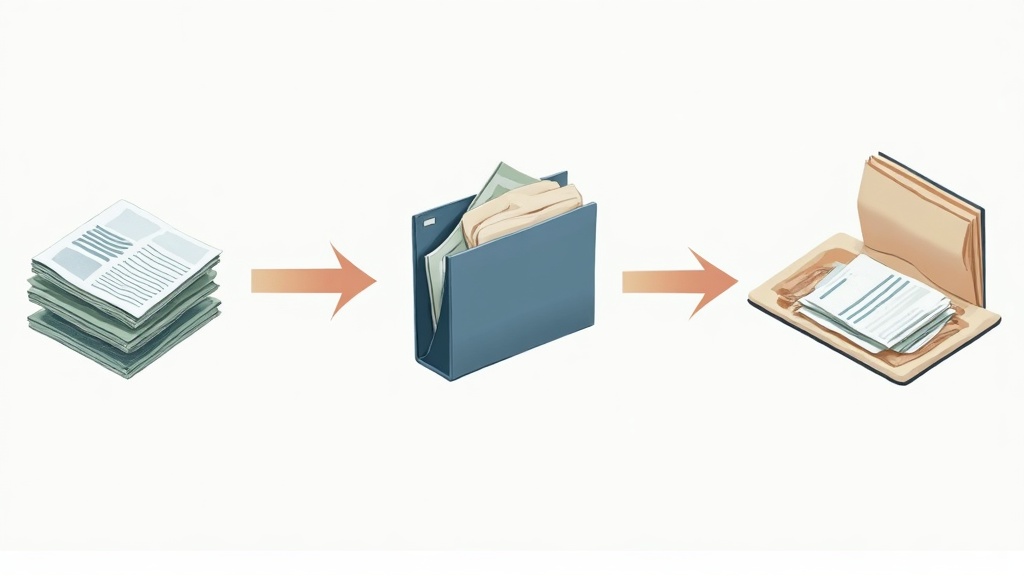
Disputing errors on financial statements, tax forms, or credit reports is a daunting task for many. Often, individuals underestimate the intricacies involved in the dispute process, thinking it's as simple as just reporting the mistake. However, the reality is far more complex, typically involving documentation, timelines, and a thorough understanding of consumer rights. Misunderstandings can lead to delays or, worse, a failure to resolve the error altogether, which may impact long-term financial health.
Moreover, the decisions surrounding these disputes are fraught with nuances. For instance, while it's tempting to address errors immediately, it's crucial to meticulously assess whether the evidence supports your case. A hasty response could inadvertently strengthen the opposing party's position or miss critical angles for your claim. The long-term implications of these decisions can affect everything from your credit score to your borrowing options in the future. This complexity necessitates guidance and insight beyond simple advice, which is why this FAQ is here to help.
Finally, the potential fallouts from mismanagement in disputing an error can be severe, from enduring long-term credit damage to facing legal ramifications. It's essential to appreciate the gravity of each decision made during this process and fully understand the implications of how you navigate disputes. This FAQ aims to clarify these issues, shedding light on common misconceptions and presenting a well-rounded view of the dispute process.
What do most people misunderstand about initiating a dispute for financial errors?
Many individuals mistakenly believe that filing a dispute is a straightforward process that will yield immediate results. They often overlook the need for substantial documentation and a clear narrative explaining the error. This simplification can lead them to misjudge the timeline for resolution and the complexities involved. Each dispute has specific requirements based on the entity you're disputing with, whether it's a credit bureau, a bank, or another financial institution.
Moreover, there's often a misconception that a single complaint will automatically remedy the issue. In reality, most institutions require extensive proof, such as bank statements or letters from creditors, to substantiate any claims. The burden of proof lies with the consumer, and gathering the necessary documentation can be time-consuming and sometimes frustrating. As a result, an initial expectation of a quick resolution can become disillusionment if one isn’t adequately prepared.
This misunderstanding can cause consumers to abandon their disputes prematurely or approach them half-heartedly. The reality is that disputes often require persistence, strategic thinking, and a comprehensive understanding of consumer rights to navigate the intricate layers efficiently.
How does the dispute process differ between credit reports and bank statements?
The dispute process varies significantly depending on whether you're addressing an issue within a credit report or a bank statement. When disputing a credit report, one typically interacts with credit bureaus that have specific protocols defined by the Fair Credit Reporting Act (FCRA). Consumers must follow these protocols to ensure that their complaint is investigated within a mandated timeframe—usually 30 days—after which the bureau must inform you of the results.
On the other hand, disputing an error on a bank statement often requires a direct approach with the bank or financial institution involved. Such complaints might focus less strictly on investigative deadlines and more on customer service policies and internal dispute resolutions. A bank may have different timelines for resolution depending on the nature of the dispute, and there might be variations in how they address errors compared to credit bureaus.
What are the potential consequences of not disputing an error promptly?
Failing to address an error in a timely manner often has cascading consequences. Many individuals do not realize that waiting too long to dispute an error can lead to alterations in their creditworthiness, which financial institutions consider when evaluating applications for loans or credit cards. A delayed dispute may result in prolonged inaccuracies on credit reports, negatively impacting one’s credit score over time.
Additionally, if you don’t dispute an error quickly, you may forfeit your right to challenge that error later under certain regulations. For instance, the FCRA provides a limited window for disputing inaccuracies, and after that period, you may lose the opportunity to reclaim your position completely. This can have long-term implications on your financial standing and borrowing capabilities.
Furthermore, neglecting to dispute an error can lead to financial institutions continuously reporting the inaccuracy, potentially creating a cycle of misinformation that becomes difficult to break. Thus, timely action can save you from unnecessary complications and help protect your financial health in the long run.
Is it actually better to dispute errors directly with the creditor instead of a credit bureau?
While many consumers initially consider disputing an error through a credit bureau to be the logical first step, direct engagement with the creditor can sometimes yield better results. When approaching a creditor, you’re often likely to address the source of the problem directly. This can lead to faster resolutions since the creditor may be in a better position to correct the error or provide evidence supporting your claim.
However, the effectiveness of this approach depends significantly on the creditor’s responsiveness and willingness to engage in the dispute process. Some may be more accessible than others, and not all institutions prioritize dispute resolutions equally, which can lead to varying experiences across consumers. As a counterpoint, filing a dispute with a credit bureau offers structured protections under the FCRA and could lead to a more formalized investigation.
It’s essential to weigh the consequences of both approaches. A direct dispute may streamline resolution but could potentially lack the protections afforded through a credit bureau. Each situation is unique, and understanding the context of the dispute can inform the best path forward.
What hidden challenges arise from the disputes that consumers often overlook?
Many consumers underestimate the potential for counterclaims or pushback from financial institutions during the dispute process. For instance, if a creditor believes an error claimed by a consumer reflects poorly on their practices, they may respond defensively, complicating the dispute further. This risk of confrontation can deter individuals from pursuing legitimate claims, rooted in the fear of overwhelming opposition.
Additionally, many overlook the emotional toll that disputes can take. The stress and frustration associated with prolonged back-and-forth communications, along with uncertainty regarding the outcome, can lead many to abandon their disputes prematurely. The mental burden of continuously addressing financial inaccuracies can have a significant impact, which often goes unrecognized in broader discussions around financial management.
Furthermore, the complexity of laws governing disputes can also obscure challenges. Misalignment in knowledge—where an individual is not fully aware of their rights—can lead to missteps in navigating the challenge. For instance, many don’t know that they’re entitled to copies of investigations initiated due to disputes, which can affect how they assert their complaints. Keeping these hidden challenges in mind can shape a more effective strategy for dealing with financial inaccuracies.
How does successfully disputing an error impact long-term financial health?
A successful dispute can significantly enhance an individual's long-term financial health by restoring an accurate credit report, which is foundational to securing loans, mortgages, and other financial products. An error in your credit report can have a ripple effect, from increasing interest rates to limiting available credit options, and resolving these inaccuracies can mitigate such risk. It can also positively influence your credit score, enabling consumers to qualify for more favorable financial terms.
Moreover, successfully navigating the dispute process establishes a foundational understanding of one’s rights as a consumer, thus empowering individuals to be proactive about their financial health. Knowledge gained during this process can enhance one’s skills in managing future disputes effectively, reducing the likelihood of reoccurring issues. This not only fosters confidence in one’s financial capabilities but also encourages a more proactive approach in addressing discrepancies moving forward.
Additionally, positive outcomes from disputes can reinforce financial behaviors that prioritize accuracy in personal finances. This approach leads individuals to maintain better records and monitor their credit reports regularly, resulting in a more health-conscious relationship with their financial affairs. Such habits not only help in preventing future inaccuracies but also lay the foundation for a more secure financial future.
What errors are most commonly disputed, and why are they significant?
Errors surrounding account balances, payment history, and identity theft tend to be the most commonly disputed inaccuracies. Each of these issues can critically undermine an individual's financial standing. For example, incorrectly reported late payments can drastically lower credit scores, while errors in account balances may provoke unnecessary fees or penalties that can compound over time.
The significance of these errors is further amplified by their potential to impact various aspects of an individual’s financial life, such as credit eligibility and interest rates. Being categorized as a high-risk borrower due to erroneous negative marks can lead to higher costs of borrowing, thereby affecting long-term financial goals, from home ownership to retirement planning.
Additionally, errors arising from identity theft pose unique challenges, as they can lead to extensive disputes that intertwine with legal issues. The complexity of dealing with such disputes often requires not only immediate resolution but vigilance to prevent future occurrences. Understanding the most common errors and their implications can equip individuals to address potential inaccuracies more proactively and entrench awareness of their long-term financial well-being.
| Approach | Benefits | Drawbacks |
|---|---|---|
| Dispute with Credit Bureau | Structured process with legal protections; clear timelines. | May lack direct engagement with the source of the error. |
| Direct Dispute with Creditor | Potentially faster resolution; clear address of the source. | Inconsistent responses and less formal safeguards. |
| Proactive Monitoring of Accounts | Early detection of errors; improved awareness of financial health. | Time-consuming; might require manual tracking. |
| Legal Consultation | Professional guidance through complex disputes; potentially higher success rates. | Can be costly; may be unnecessary for simpler disputes. |
Navigating the Complexities of Disputing Financial Errors and Credit Report Inaccuracies
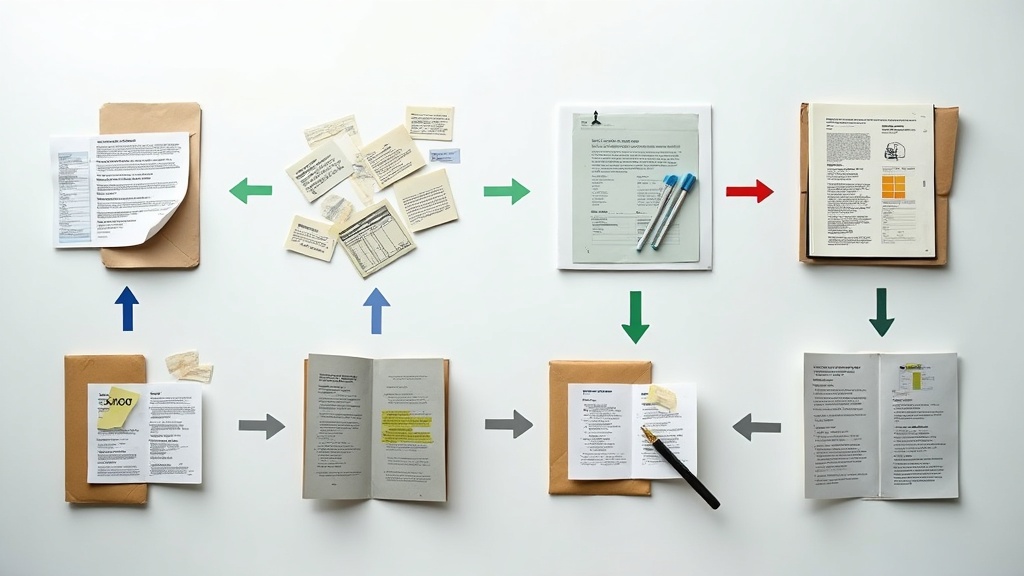
Understanding how to dispute inaccuracies in your financial statements or credit reports is vital for maintaining your financial health. Errors can lead to a lower credit score, impacting your ability to secure loans or favorable interest rates. Given the high stakes, it's crucial to approach the dispute process with a strategy that maximizes your chances of success.
Unfortunately, the methods for disputing errors are not always straightforward. Many people assume that submitting a dispute is a simple task, but various nuances and legalities may complicate the process. This guide provides a comprehensive look into the common frameworks and strategies that will empower you to identify and address inaccuracies effectively.
-
Know Your Rights Under the Fair Credit Reporting Act
The Fair Credit Reporting Act (FCRA) gives consumers the right to dispute inaccuracies and mandates that credit reporting agencies investigate these claims. Understanding your rights ensures that you approach disputes with confidence and awareness of the legal protections available.
Citing specific provisions of the FCRA when submitting disputes can bolster your case, as it indicates your familiarity with the law and sets the expectation for timely resolution.
-
Gather Relevant Documentation
Before disputing an error, collect all necessary documentation to support your claim. This may include bank statements, payment receipts, or any communication with creditors. Having this evidence at the ready not only strengthens your dispute but also helps you articulate your case clearly.
Well-organized documentation can lead to a quicker resolution, as it helps dispute resolution agencies understand the context and legitimacy of your claim.
-
Start by Contacting the Reporting Agency Directly
Often, the most efficient first step is contacting the credit reporting agency that issued the report. They typically have specific procedures to handle disputes and can guide you through what’s needed. This direct approach can accelerate the process and provide you with immediate responses.
This video illustrates effective strategies to initiate your dispute with credit bureaus, emphasizing the importance of first impressions in the process. By showcasing a proactive approach, it can help demystify the initial contact and make it seem more approachable.
Learning how to assertively present your case right from the start can significantly enhance your chances of getting favorable results. The more professional and informed you come across, the better the response you may receive.
-
Utilize a Detailed Dispute Letter
A well-crafted dispute letter is a crucial tool. It should include your personal details, the specific inaccuracies you've identified, and your demand for correction, all backed up with supporting evidence. Clarity and professionalism in your letter are vital, as they can greatly influence how your dispute is managed.
Bear in mind that credit reporting agencies have specific procedures they must follow, so ensuring your letter meets their requirements can facilitate faster action.
-
Be Persistent and Follow Up
Once you file a dispute, persistence is key. Follow up with the reporting agency after a few weeks to check on the status of your claim. Regularly checking in conveys that you take the issue seriously and expect a timely response. This proactive attitude can lead to quicker resolutions.
Sometimes simply following up can trigger additional interest and expedite the process you're navigating.
-
Instagram: Credit Repair Companies and Their Timelines
Engaging with credit repair companies can be beneficial, but it’s essential to know what to expect. The time they take to resolve disputes can vary significantly. Understanding these timelines is crucial for managing your expectations.
This video provides insights on the efficiency of various credit repair companies and lays out realistic timelines for dispute resolutions. Understanding the landscape, particularly in terms of response times and services, ensures you make informed choices when working with such companies.
Awareness of these factors helps in setting practical expectations and can assist you in weighing whether to manage disputes independently or seek professional help.
-
Monitor Your Credit Report Regularly
Ongoing monitoring of your credit report is vital. This practice not only catches inaccuracies quickly but also helps you stay informed about changes in your credit score. Regular checks enable early detection of new errors that you can dispute before they have a major impact on your financial standing.
By setting up alerts or using credit monitoring services, you ensure that any discrepancies are reported and addressed in a timely manner.
-
Educate Yourself About Scams and Fraud
Financial fraud can often lead to errors in your credit report. Being educated on how to identify and avoid scams can protect you from future inaccuracies that may arise from unauthorized transactions or accounts opened in your name. Awareness is your best defense.
Incorporating a fraud check into your routine can be a preventative measure that forestalls future issues, allowing you to maintain a cleaner credit history.
| Strategy | Description | Key Benefits |
|---|---|---|
| Know Your Rights | Understand the provisions of the Fair Credit Reporting Act. | Informs and empowers your dispute approach. |
| Document Collection | Gather relevant statements and evidence. | Supports your claims effectively. |
| Direct Agency Contact | Initiate disputes with credit bureaus directly. | Can lead to faster resolutions. |
| Dispute Letter | Craft a detailed, formal dispute letter. | Clarifies your case and demands attention. |
| Persistent Follow-Up | Regularly check on the status of disputes. | Maintains urgency on your claims. |
| Understand Credit Repair | Know timelines and practices of credit repair companies. | Informs your expectations for resolution. |
| Regular Monitoring | Monitor credit reports regularly. | Enables early error detection. |
| Fraud Awareness | Educate yourself about common scams. | Protects against future inaccuracies. |
Effective Strategies for Challenging Financial Mistakes

Disputing financial errors or inaccuracies on your credit reports, tax forms, or banking statements can be a daunting process. Many people hesitate to take action due to the perceived complexity involved. They may feel overwhelmed by the possible repercussions or confused about where to begin. However, correcting inaccuracies is essential to maintaining healthy finances and a strong credit score. Inaccuracies can lead to higher interest rates, denied loans, or even job rejections, making it crucial to tackle them head-on.
Understanding the process of disputing financial errors is vital, as it not only protects your financial well-being but also empowers you to take charge of your financial health. By proactively addressing these discrepancies, you mitigate risks and set the foundation for more informed financial decisions in the future. Let’s explore actionable strategies for disputing these errors effectively.
1. Gather Your Documentation
The first step in disputing inaccuracies is to compile all relevant documentation. This includes bank statements, tax forms, credit reports, and any other documents pertinent to the issue at hand. Documentation serves as your evidence; without solid proof, any dispute may fall on deaf ears.
For instance, if you see an incorrect charge on your bank statement, gather records showing past transactions for verification. Having thorough documentation allows you to make a compelling case when you submit your dispute. Remember that each bank or credit bureau may have different requirements for supporting documents, so ensuring that you have the right ones is crucial to your success.
2. Identify the Inaccuracies Clearly
Once you’ve gathered your documentation, the next step is to pinpoint exactly what is inaccurate. This means reviewing your documents for errors such as incorrect account numbers, wrongly reported balances, or missed payments that were made on time. Be as specific as possible when identifying these discrepancies.
Clearly defining the inaccuracies will not only streamline the dispute process but also enhance your credibility. Instead of vague claims, a concise and direct identification of errors helps the financial institution recognize the issue and take appropriate action. This facilitates faster resolution, allowing you to move onward without prolonged stress.
3. Understand Your Rights
Before launching your dispute, equip yourself with knowledge about your rights as a consumer. The Fair Credit Reporting Act (FCRA) grants you the right to dispute incorrect information on your credit report. Familiarizing yourself with these legal protections can bolster your confidence when addressing these issues.
Understanding your rights not only helps you frame your dispute but also informs you of what to expect in terms of response times and required actions from credit bureaus or financial institutions. This knowledge can prevent you from getting sidetracked by any unjust pushback you might encounter during the process.
4. Submit Your Dispute Formally
When you're ready to move forward, submit your dispute formally, following the specific procedures outlined by the financial institution or credit bureau you are addressing. This typically includes writing a dispute letter that outlines your case, accompanied by copies of your documentation as evidence.
Ensure that your letter is clear and direct, stating the inaccuracies you’ve identified and the resolution you seek. Communicating your points straightforwardly enhances your chances of a favorable outcome. It may be beneficial to send the dispute via certified mail. This provides you with proof of submission and a paper trail, which can be critical should you need to escalate the issue later.
5. Follow Up and Keep Records
After submitting your dispute, it’s vital to follow up regularly until you receive a resolution. Keep a record of all correspondence, including dates and responses. Following up demonstrates commitment and ensures that your dispute remains on the institution’s radar, fostering quicker action toward resolution.
Moreover, maintaining detailed records not only serves as evidence of your efforts but also prepares you for possible escalations if the dispute is not resolved satisfactorily. Lack of follow-up can lead to delays or even the assumption that you are no longer interested in resolving the issue.
6. Know When to Escalate
In some cases, your initial efforts may not yield the desired outcomes. Understanding when to escalate the matter can be crucial in these situations. If you do not receive a satisfactory response, consider contacting a consumer protection agency, or seeking legal advice if necessary.
Escalating a dispute can sometimes lead to quicker resolutions. However, it’s essential to weigh the costs involved—legal fees or time investment may be significant, depending on the complexity of your case and the potential benefits at stake. Strategizing effectively in this regard could save you time and hassle down the road.
7. Monitor Your Financial Health Regularly
Once you have successfully resolved your dispute, the final strategy involves regularly monitoring your financial health. Frequent checks on your credit reports and bank statements will help you catch any inaccuracies before they escalate into bigger issues.
Investing in credit monitoring services can provide added peace of mind as they notify you of any changes to your credit report. Additionally, maintaining awareness of your financial standing positions you well for future decisions, whether that’s applying for loans, mortgages, or other financial products. This proactive approach is essential in fostering long-term financial stability.
This TikTok video effectively illustrates the step-by-step process of disputing financial errors while offering practical tips along the way. Visual examples, combined with expert advice, enhance your understanding of the process and underscore the importance of accuracy in your financial dealings.
| Method | Pros | Cons |
|---|---|---|
| Direct Dispute to Instituion | Straightforward; often quickest resolution | May encounter delays; requires organized documentation |
| Legal Escalation | Can lead to stronger outcomes; potential for immediate attention | Time-consuming; may incur significant costs |
| Consumer Protection Agency | Provides guidance and support; increases dispute visibility | Can be slow; no guarantee of immediate resolution |
This second TikTok video offers additional insights into effective communication techniques during the dispute process. Learning how to articulate your concerns can be just as crucial as the evidence you present. It adds another layer of understanding to the whole process, emphasizing the human aspect when dealing with financial institutions.
Common Mistakes to Avoid
- Neglecting to check documentation thoroughly before submitting disputes.
- Falling for scams or fraudulent offers while seeking assistance.
- Failing to stick to timelines set by financial institutions or credit bureaus.
- Being overly aggressive in communication, which can lead to negative outcomes.
- Not following up after submissions or waiting too long for a response.
- Ignoring minor errors, thinking they won’t affect financial health.
Measuring Your Success
Finally, to gauge the effectiveness of your dispute process, establish criteria for success. Measure your progress by monitoring changes in your credit score, observing corrections in your financial documents, and maintaining ongoing engagement with your financial institutions. Setting realistic expectations is crucial; remember that some disputes may take time to resolve.
Long-term outcomes are what truly matter. Rather than solely seeking immediate fixes, aim for a better understanding of your financial health as a whole. Regular evaluations will prevent smaller issues from snowballing into larger ones, solidifying your path toward financial stability.