
Checking Accounts with No Overdraft Fees
Reviews of modern digital banks and credit unions that have eliminated overdraft fees by declining transactions or using a zero fee policy

Guides in this section
Browse the guides that belong to this section.
Understanding Overdraft-Free Banking: Insights and Implications
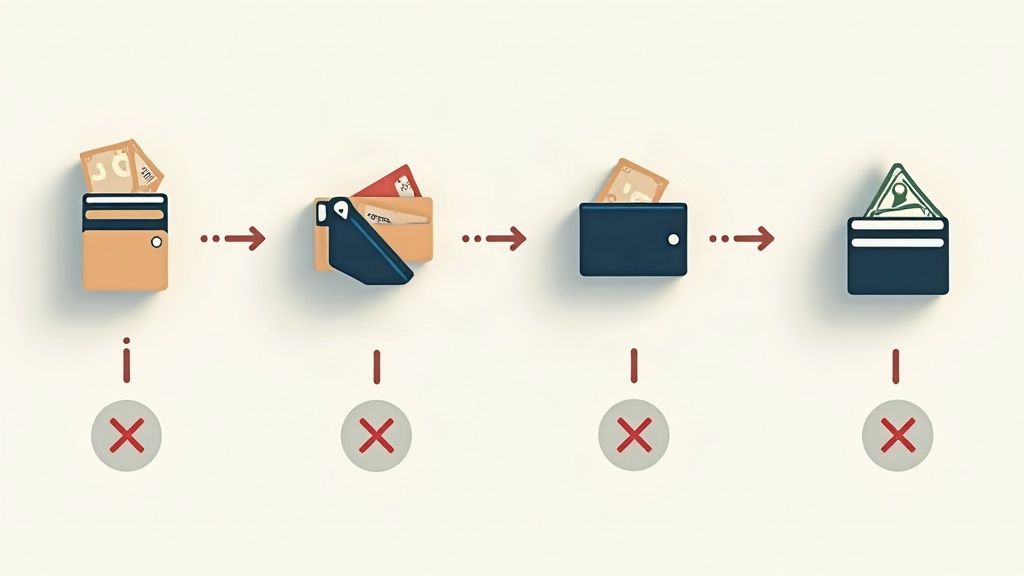
The notion of eliminating overdraft fees is increasingly gaining traction as consumers seek more transparent and accommodating banking solutions. However, many individuals underappreciate the nuances of this shift. It's common to assume that no overdraft fees equate to an entirely risk-free banking experience, which oversimplifies the reality. In fact, the implications of choosing accounts designed to avoid overdraft fees can be complex, often involving trade-offs that aren’t immediately evident.
Understanding options such as overdraft protections or transaction declines can shift the landscape of personal finance. These strategies may seem straightforward, yet they require careful consideration of your financial habits, spending behaviors, and even your long-term financial health. While the potential for avoiding fees is alluring, it’s essential to dive deeper into the mechanics of these accounts and how they align with your goals, lifestyle, and spending patterns.
As you navigate the world of banking with zero overdraft fees, be wary of simplistic recommendations. Comprehensive guidance involves appreciating not just the benefits but also the risks that accompany these financial products. Here, we aim to shed light on some of the most pressing questions surrounding overdraft-free banking and guide you through the decision-making process.
What do most people misunderstand about the mechanics of no-overdraft accounts?
A prevalent misconception is that accounts without overdraft fees function like traditional checking accounts without any risks. While it’s true that these accounts often decline transactions that exceed your available balance, many don’t realize that this can lead to rejected payments at critical moments. Imagine trying to make a significant purchase or pay a bill, only to have your transaction denied due to insufficient funds. This scenario can be particularly detrimental if the purchase was time-sensitive.
Moreover, many consumers may overlook the fees tied to insufficient fund transactions, which can sometimes replace overdraft fees with other charges. For instance, if an attempted purchase fails due to insufficient funds, some banks impose a fee on top of the initial transaction attempt. Understanding the full scope of these potential charges is vital for effectively managing one’s finances. Balance the convenience of a no-overdraft account with the broader costs associated with transaction rejections.
Lastly, the perception of safety offered by no-overdraft accounts can lead to complacency in budgeting and financial management. People might think they’re free to spend beyond their means, assuming that their transactions will simply be declined. In reality, this could contribute to a larger financial imbalance if individuals do not pay attention to their cash flow. Learning about these dynamics helps avoid the pitfalls of mismanagement.
How does using a zero-overdraft account affect long-term financial habits?
When engaging with a no-overdraft account, individuals may inadvertently cultivate a habit of spending without regard for their actual balances. Without the fear of overdrafting, some may see this as a green light to spend more liberally, thinking they can simply adjust their spending patterns later. However, this can lead to a cycle of financial mismanagement and stress, as individuals may later find themselves struggling to recover from unexpected shortfalls.
Additionally, this free-spending mentality can hinder the development of essential budgeting skills. Learning to monitor your account and plan for upcoming expenses is a crucial aspect of financial health. If individuals and families fail to cultivate these skills, they may encounter challenges later on regarding savings, investments, and other long-term financial planning strategies.
Furthermore, relying too heavily on the absence of overdraft fees may lead to a false sense of security. Many users may neglect to track cash flow meticulously, which is critical for healthy financial management. The absence of overdraft fees does not eliminate the need for diligent budgeting; understanding how your spending aligns with your income and savings goals remains paramount for sustained financial success.
What hidden challenges arise from choosing accounts without overdraft fees?
Choosing a no-overdraft account sounds appealing, particularly for those wary of bank fees. However, these accounts often come with challenges that aren’t always highlighted. One significant issue is that many users still encounter various fees that can accumulate, particularly when transactions are declined. Depending on your bank’s policy, these insufficient funds fees can quickly add up, contradicting the original intent of seeking cost-free banking.
Moreover, a feature of many no-overdraft accounts is the lack of certain perks associated with traditional checking accounts, such as overdraft protection loans. While overdraft protection may come with a fee, it can provide a temporary safety net in times of genuine financial gaps. Without it, individuals face the risk of transaction declines at inopportune moments.
Lastly, it’s essential to consider how a no-overdraft account aligns with your lifestyle and financial goals. If you frequently face cash flow issues or need more robust features for managing transactions, a no-overdraft account may not adequately meet your needs. Evaluate these hidden challenges against your personal and financial circumstances to make an informed decision.
Is it actually better to avoid traditional banking for digital no-overdraft solutions?
The rise of digital banks offering overdraft-free solutions has led many to question the viability of traditional banking. While digital banking often brings lower fees and innovative features, it’s not inherently better for everyone. For some, the lack of physical branches can complicate access to funds, and if a digital bank faces technical difficulties, account access might be hindered.
Furthermore, traditional institutions may provide stronger customer support through in-person interactions and established services. A common mistake is assuming that the lack of overdraft fees in a digital bank automatically equates to superior customer service. Assessing the level of support and assistance offered can be just as important as avoiding fees.
Ultimately, whether to choose a digital bank or stick with a traditional brick-and-mortar institution boils down to personal preferences and financial behavior. Reflect on how frequently you require physical banking services or interactions and weigh that against the benefits of a tech-savvy, fee-free experience. Making this assessment will help clarify which option is right for your banking needs.
How can account features vary despite the appeal of no-overdraft fees?
When exploring accounts without overdraft fees, it's essential to understand that not all accounts are created equal. Features such as transaction methods, mobile payments, and even the availability of budgeting tools can vary significantly, impacting your overall banking experience. For instance, some no-overdraft accounts may limit the number of transactions allowed within a certain time frame, which could be inconvenient for users who prefer to operate with higher transactional freedom.
Additionally, certain accounts may offer varying levels of customer support, with some emphasizing self-service through mobile apps while others may provide more traditional customer service avenues like phone support. This inconsistency can affect user satisfaction and the overall effectiveness of managing one’s finances.
Another aspect to consider is the accessibility of funds and how different banks handle ATM networks. While one institution may offer free withdrawals at a broader network of ATMs, others may impose fees if you exceed certain limits on withdrawals or use out-of-network ATMs. These differences can translate into more significant costs throughout your banking journey. Thus, it’s crucial to carefully assess not only overdraft policies but the entirety of account features when making your choice.
What should you know about withdrawing cash from no-overdraft accounts?
While withdrawing cash from a bank account sounds straightforward, doing so from a no-overdraft account can involve nuances that disregarded could lead to unforeseen costs. Users often take for granted the withdrawal methods and their associated charges, sometimes leading to unexpected fees if they withdraw more than their available balance without considering potential holds or transaction limits.
Moreover, the ATM networks you select can lead to unanticipated fees, particularly if you’re banking with a digital institution that lacks extensive partnerships. Ensuring that you’re using approved ATMs can help avoid unnecessary charges. This is often overlooked, especially by those banking digitally who assume access to cash will be as simple as traditional banking.
Finally, understanding how cash withdrawals impact your overall financial plan is essential. Frequent cash withdrawals might disrupt budgeting efforts or result in a lower balance than anticipated, leading to a situation where additional financial maneuvers (like relying on credit) become necessary. Be mindful of how withdrawal behavior aligns with your broader financial goals.
How do transaction declines impact your credit score and financial reputation?
Many users mistakenly believe that the absence of overdraft fees means that their credit scores won't be affected by transaction declines associated with no-overdraft accounts. In reality, declined transactions can lead to missed payments, especially when it comes to recurring charges. If a vital utility payment is declined, for example, not only could it result in late fees, but it may also negatively impact credit scores—especially if the utility provider reports late payments to credit bureaus.
Moreover, a history of declined debit transactions can create a negative perception of your financial responsibility among potential lenders and financial institutions. They may worry about your ability to manage funds effectively, ultimately affecting your ability to secure loans and mortgages with favorable terms in the future.
Awareness of how declined transactions can create a ripple effect on your credit profile emphasizes the need for careful cash and budget management. Relying solely on a no-overdraft account might inadvertently weaken your credit health, especially in critical situations. Understanding this interplay is crucial for safeguarding your financial reputation.
| Decision Factors | Traditional Checking Accounts | No-Overdraft Accounts |
|---|---|---|
| Fee Structure | Overdraft fees for insufficient funds | No overdraft fees, but potential transaction denial fees |
| Customer Support | In-branch support with personalized assistance | Primarily online support, which may lack personal touch |
| Transaction Methodology | More flexible transaction limits | Potential limits on transactions and withdrawals |
| Cash Access | Wider ATM networks | ATM fees from out-of-network withdrawals can apply |
| Credit Score Impact | Overdrafts can be reported | Declined transactions can negatively impact credit reporting |
Understanding the Benefits of Zero Overdraft Fee Checking Accounts

In today's fast-paced banking environment, avoiding unexpected charges is crucial, especially when it comes to overdraft fees. Traditional banks often impose these fees when account balances fall below zero, creating financial stress for many account holders. Modern digital banks and credit unions are stepping in with innovative solutions that not only decline transactions that would lead to overdrafts but also offer a zero-fee policy, helping you maintain control over your finances.
It's essential to consider the implications of choosing a checking account without overdraft fees. Such accounts can significantly reduce the risk of incurring additional financial burdens, making it easier for you to manage your budget and plan for unexpected expenses. However, not all accounts are created equal, and understanding what features to look for can empower you to make informed decisions that fit your financial lifestyle.
-
Account Types
Zero overdraft fee accounts are typically offered by digital banks and credit unions, which often have lower overhead costs than traditional banks. This enables them to pass savings on to customers through no-fee policies. Understanding the differences in account types will help you determine the best fit for your financial needs.
For instance, some accounts may include features like budgeting tools or rewards for maintaining a positive balance, while others may not. Investigating these options will enhance your ability to plan effectively.
-
Transaction Limits
Some checking accounts with no overdraft fees may impose limits on the number of transactions you can make in a month. This could affect your spending habits and how you manage your finances. It's prudent to compare these limits among different institutions to ensure they align with your typical usage.
Certain banks or credit unions provide unlimited transactions, while others may charge for transactions exceeding their set threshold.
-
Cash Withdrawal Options
Understanding how and where you can access your cash is vital when selecting a checking account. Some accounts may offer free access to a network of ATMs, while others might charge fees for withdrawals outside the network. This could affect your overall banking strategy.
This video provides insights into various cash withdrawal options available with zero overdraft fee accounts. It highlights the pros and cons of using ATMs compared to traditional banks, helping you evaluate convenience versus accessibility.
By understanding your cash access options, you can make smarter choices about your banking activity, minimizing costs while maximizing flexibility.
-
Interest Earning Potential
While many checking accounts typically do not offer interest, some modern banks are changing that. Checking accounts with no overdraft fees may also come with interest-earning capabilities that allow your money to grow over time.
Consider whether you prefer a low-maintenance account with minimal fees or an account that offers a competitive interest rate and the potential for accruing savings.
-
Digital Banking Features
Many recent entrants into the banking market offer powerful digital features like mobile check deposit, budgeting tools, and instant notifications of account activity. Leveraging these features can help you monitor your financial health and stay within your budget more effectively.
Selecting a bank that provides a robust mobile app can enhance your banking experience and provide real-time financial tracking at your fingertips.
-
Fees Beyond Overdrafts
While you may be focused on avoiding overdraft fees, it's essential to review other potential charges associated with a checking account. Some banks impose monthly maintenance fees, transaction fees, or charges for paper statements.
This video discusses various hidden fees that can impact your banking experience. Awareness of these fees will help you choose a checking account that’s truly cost-effective.
By evaluating these factors, you can avoid costly surprises and choose a checking account that aligns with your financial goals.
-
Customer Service and Support
The level of customer service provided can vary widely, especially with digital banking. Choosing an institution that offers robust support can make a significant difference, particularly if you encounter any issues with your account.
Consider the availability of customer support through various channels — phone, chat, or email — along with the hours of operation that suit your needs.
-
Accessibility of Your Funds
How quickly you can access your funds is another critical factor. Some accounts may impose holds on deposits, impacting your ability to use the money when you need it. Reviewing policies around fund availability is essential in making the right decision.
Ensure that the account you choose aligns with your financial habits and needs, allowing for seamless management of your funds.
| Feature | Account Type 1 | Account Type 2 | Account Type 3 |
|---|---|---|---|
| Monthly Fee | None | $5 | None |
| Transaction Limit | Unlimited | 20 | Unlimited |
| ATM Access | Free ATMs Nationwide | In-network only | Free ATMs + 3% fee for out-of-network |
| Interest Rate | 0.50% | No Interest | 0.25% |
Steps to Eliminate Overdraft Fees with Your Checking Account

Navigating the world of banking, especially when it comes to checking accounts, can often feel like an uphill battle. For many, overdraft fees represent a frustrating and often unexpected financial burden. These fees can accumulate quickly, leading to greater financial strain, particularly for individuals living paycheck to paycheck. Understanding the ins and outs of checking accounts without overdraft fees can be daunting, especially when traditional banks—whether intentionally or not—make the terms complex and the options unclear.
Why does this matter? Choosing the right checking account is pivotal. Not only can it save you money by avoiding exorbitant fees, but it can also support a more responsible way of managing your finances. When you’ve taken the time to understand your account options and make an informed decision, you set a strong financial groundwork for any future savings or investments. Here’s how to go about it.
1. Understand Your Overdraft Alternatives
The first step is to know what options are available in the marketplace. Many modern banks and credit unions now offer accounts that simply decline transactions when you lack sufficient funds, rather than automatically triggering an overdraft. This can be particularly beneficial in preventing unwanted fees. Research banks that specialize in this model, and take note of their policies regarding overdraft protections, as some may offer varying levels or types of protection.
Furthermore, familiarize yourself with the terminology involved. Understand the difference between an “overdraft fee” versus an “overdraft protection plan.” This foundational knowledge can save you from missteps later on. Not every institution uses the same language, which can lead to confusion when you're comparing your options. Taking the time to understand these differences will allow you to communicate more effectively with banking representatives as you inquire about their offerings.
2. Evaluate Online Banks and Credit Unions
Digital banks and credit unions are often at the forefront of eliminating exorbitant overdraft fees. Unlike traditional banks, which may have outdated fee structures, many of these alternatives operate with low overhead costs, allowing them to pass savings onto their customers. Investigate options like Chime, Ally, or local credit unions that advertise no overdraft fees or additional services that may suit your needs better.
Be aware, however, that digital banking can come with its own set of trade-offs, such as limited physical branch access. If in-person banking is important to you, consider how that factor weighs against the benefits of saving on fees. Each institution has its own perks and challenges, so it’s essential to look at how these trade-offs align with your banking habits.
3. Set Up Real-Time Notifications
Many banks now offer notification features that alert you when your account balance is low. Setting up real-time alerts can serve as your first line of defense against incurring overdraft fees. By keeping your balance in check, you’ll have a clearer idea of when to curtail spending or transfer funds to avoid overdrawing your account.
The effectiveness of this method lies within your response to notifications. If you tend to procrastinate or forget to check your bank alerts, this step may not fully eliminate overdrafts. Make it a habit to regularly check your phone or email for these updates, reinforcing the importance of staying proactive about your account balance.
4. Create a Budget that Reflects Your Cash Flow
A key component to avoiding overdrafts is to establish a budget that accurately reflects your cash flow. Use tools like mobile apps or spreadsheets to track your income and expenses. Understanding where your money goes each month gives you a clearer picture of your discretionary spending and helps you avoid the temptation of spending your last few dollars without a plan.
By adjusting your spending habits according to your budget, you can place greater emphasis on essential expenditures while minimizing unnecessary expenses. This adds an additional layer of security against accidentally overdrawing your account. Don't forget to factor in the timing of your bills and paydays, as this can also influence how your cash flow ebbs and flows.
5. Link a Savings Account for Overdraft Protection
Some banks allow you to link a savings account as a backup for funds. In this case, if you attempt a transaction that would overdraw your checking account, the bank will automatically withdraw money from your linked savings to cover the purchase. However, verify that this service is either free or comes with reasonable fees; some institutions charge for transfers, which could negate the savings you sought.
This practice not only protects you from overdraft fees but also encourages you to save. By keeping funds in your savings to cover emergencies or unexpected expenses, you create a safety net while avoiding unnecessary fees. Just keep an eye on your savings; if it dwindles too low, you could find yourself back where you started.
6. Regularly Review Account Terms
Financial institutions frequently update their policies and terms of service. Even once you’ve settled on an account with no overdraft fees, it’s wise to periodically review the associated terms. Changes may include modifications to service fees, transaction limits, or even changes to their overdraft policies.
Being aware of these updates can prevent unpleasant surprises and help you reassess whether your account still serves your financial needs effectively. If the terms start to lean away from your financial strategy, don't hesitate to shop around for options that better match your goals.
This TikTok video demonstrates how to spot overly complicated checking account terms and why clarity is crucial when selecting a bank. It aligns well with our topic by showing the importance of understanding what every bank term means, thus empowering viewers to make savvy financial decisions.
| Option | Fees | Benefits | Trade-offs |
|---|---|---|---|
| Traditional Overdraft Protection | High fees per transaction | Coverage for unexpected expenses | Can quickly escalate costs |
| Declined Transactions | No fees | Prevents debt accumulation | May disrupt purchases |
| Linked Savings Account | Possible transfer fees | Extra layer of security | Requires maintaining savings |
| Real-Time Alerts | No fees | Prevention of overdraft | Requires financial discipline to respond |
This second TikTok video illustrates practical budgeting techniques for managing checking accounts effectively. It's relevant to our topic by showing viewers how proper budgeting can prevent overdrafts. Understanding how to align everyday spending with income is paramount in avoiding those frustrating fees.
Avoiding Common Mistakes with Checking Accounts
- Ignoring the fine print of terms and conditions
- Assuming all accounts have the same overdraft policies
- Neglecting to set up and monitor transaction alerts
- Failing to update budget and cash flow as expenses change
- Over-relying on linked accounts without maintaining adequate savings
Measuring Your Financial Progress
To gauge how well you’re managing your checking account with no overdraft fees, develop key performance indicators that you can realistically track over time. Whether it’s observing your monthly spending habits or monitoring changes in your savings balance, aim for an incremental approach. Set long-term goals, like building an emergency fund, while adjusting short-term habits that support these objectives.
Focus on becoming comfortable with balancing the nudges you receive from your bank's alerts and effectively analyzing your budgeting efforts. A clear understanding of how your choices impact not only your present finances but your future stability will serve you well in the long run. Avoid setting unrealistic expectations, as successful financial management is often about making sustainable changes rather than erratic attempts to save a few dollars each month.