
Comparing Pet Insurance for Dogs vs Cats
A comparison of policy nuances and typical costs for canine and feline insurance coverage

Guides in this section
Browse the guides that belong to this section.
Decoding the Financial Nuances of Dog and Cat Insurance
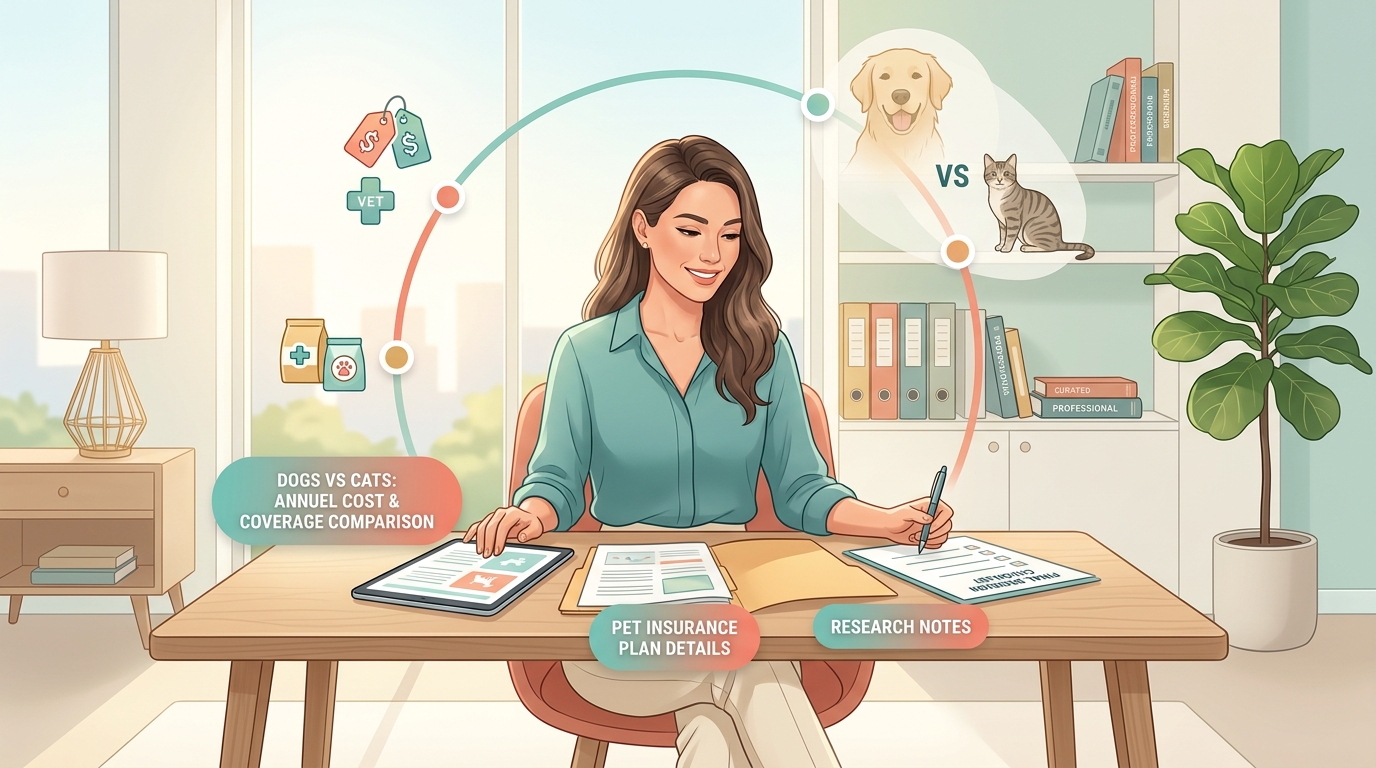
Pets hold a special place in our lives—but protecting them (and your wallet) isn’t always straightforward. If you’ve ever wondered whether a dog’s wag or a cat’s purr comes with a costlier insurance policy, you’re not alone. Choosing the right pet insurance, especially in today’s climate of rising veterinary bills and evolving plan options, requires more than a glance at monthly premiums—it means understanding what’s beneath the surface of canine and feline coverage.
As more pet owners see their cats and dogs as true family members, demand for pet insurance has grown rapidly. This surge brings fresh opportunities and hidden trade-offs. The subtle policy details between dog and cat insurance—think exclusions, age-based costs, pre-existing conditions, and breed-specific risks—can lead to very different price tags and protection levels. For dog owners, insurance often comes with higher premiums due to increased accident rates and breed-related health risks, while cat owners might encounter stricter limits on chronic conditions or indoor/outdoor coverage. Misreading the fine print could undermine your budgeting goals or, worse, leave you with gaps when you need help the most.
Understanding these differences is essential for making a sound, informed decision in line with your broader financial strategy. For many, the right policy blends smart risk protection with cost-efficiency—helping you plan ahead with confidence. Knowing where coverage diverges also ties into how you manage cash flow, balance emergency funds, or align with long-term goals like saving for a home or planning for retirement. Explore more about holistic insurance and protection strategies or practical tips for daily financial planning as you build your approach.
Ultimately, as veterinary care becomes more advanced (and expensive), pet insurance becomes not only a buffer for surprise bills but also a decision point that ripples across your entire financial life. By understanding the real differences between dog and cat insurance from the outset, you’ll be better equipped to protect both your pet and your future—no matter what comes next.
Diving into Pet Insurance: What Sets Dog and Cat Policies Apart?

In the quest to provide the best care for your beloved furry friends, pet insurance plays a significant role in safeguarding against unexpected veterinary costs. However, navigating the nuances between dog and cat insurance can be bewildering. To ensure optimal coverage and peace of mind, a deep understanding of the complexities involved is crucial. Simple answers often fall short, as the differences in physiology and typical health risks between dogs and cats necessitate distinct insurance considerations.
-
Cost of Premiums
One of the most noticeable differences between dog and cat insurance policies is the cost of premiums. Generally, insuring a dog is more expensive compared to a cat. This discrepancy arises due to the varied health risks and treatment costs associated with dogs.
Factors such as breed, age, and size can further influence premium amounts. Understanding these dynamics can help budget-conscious pet owners select the most cost-effective coverage.
-
Coverage for Hereditary Conditions
The predisposition to certain hereditary conditions varies greatly between canine and feline breeds, impacting insurance coverage specifics. Policies for dogs often emphasize conditions prevalent in specific breeds like hip dysplasia in German Shepherds.
Cat insurance tends to focus more on chronic diseases such as kidney issues prevalent among older cats. Recognizing these distinctions can guide you to a policy with the right inclusions.
-
Age Restrictions
Insurance providers may impose different age limits for enrolling pets, particularly when distinguishing between dogs and cats. Typically, older dogs face stricter age cut-offs compared to cats, who are generally considered lower-risk.
By understanding these restrictions, you can make timely decisions about enrollment to ensure continued coverage for your pet throughout their life.
-
Breed-Specific Exclusions
Breed-specific exclusions can significantly influence the value of a pet insurance policy. For dogs, many carriers exclude specific breeds or charge higher premiums due to their susceptibility to certain ailments or conditions.
- Bulldogs and brachycephalic syndrome
- Retrievers and known hip issues
- Persian cats and respiratory problems
Knowing the common exclusions for your pet’s breed helps in selecting the most comprehensive policy available.
-
Accident vs. Illness Coverage
Pet insurance policies typically bifurcate into accident-only or comprehensive accident and illness coverage. The significance of this distinction is underscored by the lifestyle habits and environments of cats and dogs.
Active dogs might benefit from extensive accident protection, while indoor cats might need more illness-focused policies. This understanding helps tailor coverage that truly protects.
-
Dental Benefits
Oral health is another chasm where dog and cat insurance diverge. Dogs, often prone to dental issues due to chewing habits, may find more policies catering to dental needs compared to cats.
Assessing the importance of dental coverage can guide pet owners towards plans that mitigate the cost of routine dental care and any associated ailments.
-
Waiting Periods
Waiting periods—the time between enrolling and being able to file a claim—can differ subtly based on species. Dog policies might feature longer waiting periods for specific conditions, reflecting treatment intensity or frequency.
An informed choice on waiting periods can prevent future coverage gaps, ensuring seamless integration of insurance benefits when needed.
-
Policy Renewability
Renewability terms can be distinctively structured depending on whether you insure a dog or a cat. Some insurers provide lifetime renewability for cats more consistently than for dogs, considering the longevity and lower-risk factors associated with felines.
Understanding the nuances of renewability ensures persistent protection without the risk of denied renewals as your pet ages.
| Factor | Dog Insurance | Cat Insurance |
|---|---|---|
| Premium Cost | Higher | Lower |
| Hereditary Coverage | Breed-specific vulnerabilities | Chronic diseases focus |
| Age Restrictions | Stricter | More flexible |
| Breed Exclusions | More prevalent | Less frequent |
| Accident vs Illness Coverage | More accident-focused | Illness-focused |
| Dental Benefits | Common | Less common |
| Waiting Periods | Longer for some conditions | Usually shorter |
| Policy Renewability | Variable | Often guaranteed |
The above video offers a comprehensive visual breakdown of the essential aspects of pet insurance, clearly highlighting the nuanced differences between dog and cat policies. By providing real-life scenarios and expert insights, it serves as a beneficial complement to the information presented, further aid in demystifying the complex world of pet insurance decisions.
What Should You Consider When Comparing Pet Insurance for Dogs and Cats?

When it comes to choosing pet insurance for your beloved dog or cat, many pet owners find themselves wading through a sea of confusing policy terms, varied coverage options, and fluctuating premiums. The nuances of pet insurance policies can easily lead to misunderstandings or bad financial decisions. What might seem like a comprehensive policy may have hidden limitations or exclusions, especially when comparing insurances for dogs versus cats.
Deciding on the right pet insurance is not a straightforward task. Different pets have different needs; dogs might be prone to genetic conditions while certain breeds of cats could face unique health challenges. Balancing these factors, along with budget considerations and understanding the possible long-term implications of policy choices, can make this decision complex. Simple advice often misses these subtleties, leaving pet owners uncertain about whether they are making a wise choice.
What are the common misconceptions about pet insurance for cats versus dogs?
One common misconception is that the cost of insuring a cat should be significantly lower than that of a dog due to their size difference. However, the cost variation between insuring dogs and cats is often influenced more by breed-specific health concerns than their size. For example, certain breeds of dogs might be prone to hereditary conditions, whereas cats might face different genetic issues that can be costly to manage.
Additionally, many believe that the policies for dogs and cats offer similar coverage, which is not always the case. Insurance terms, conditions, and exclusions can vary significantly between the two, often based on species-specific health concerns. A policy that seems suitable for a dog may lack critical coverage aspects needed for a cat, and vice versa. Understanding this ensures that pet owners do not fall into the trap of assuming one-size-fits-all.
Moreover, there is an assumption that cat insurance is generally unnecessary because cats are perceived as being less prone to accidents. However, cats face different risks such as certain hereditary diseases or indoor-related accidents that can still incur high veterinary costs. Recognizing the unique risks for each species helps owners make better-informed insurance decisions.
How do breed-specific issues impact pet insurance options?
Breed-specific issues play a crucial role when you are deciding on pet insurance. Certain breeds of dogs, for instance, may be more susceptible to conditions like hip dysplasia, heart disease, or arthritis, which can significantly increase potential health care costs. This risk is factored into the insurance premiums, often making them higher for breeds with known genetic concerns.
Cats are not exempt from breed-specific health challenges either; different breeds may be prone to distinct genetic or developmental conditions. For example, Persian cats are known to have respiratory issues, which can lead to more frequent veterinary visits over their lifetime.
It is essential to consider these breed-related issues because they directly influence the coverage you should seek. Not weighing these factors can lead to inadequately insured pets, resulting in unexpected expenses and stress down the line. Understanding breed-specific risks helps you tailor insurance coverage to better protect your specific pet.
Is it better to have a higher premium for comprehensive coverage?
Choosing between a higher premium with comprehensive coverage versus a lower-cost basic plan is a common dilemma. On the one hand, comprehensive coverage often includes protection against a wide range of incidents and conditions, minimizing the risk of large out-of-pocket expenses. This is particularly important for breeds prone to specific health issues that could lead to frequent and expensive veterinary visits.
Conversely, higher premiums can strain your budget, especially if your pet remains healthy over the years. Owners must consider their financial situation and risk tolerance; some may prefer a safety net of being comprehensively insured even if it means paying more upfront.
The decision ultimately comes down to whether peace of mind and readiness for unforeseen health issues outweigh monthly financial considerations. Weighing medical history, breed tendencies, and personal financial stability will help you determine the most suitable option for you and your pet's well-being.
What tradeoffs should be considered between deductibles and premiums?
Deductible levels and premiums are critical factors to weigh when choosing pet insurance. Generally, plans with higher deductibles come with lower premiums, making them appealing for those looking to reduce monthly costs. However, this setup means higher out-of-pocket expenses when claims arise.
Choosing a lower deductible, meanwhile, leads to higher premiums but provides financial relief when vet bills start accumulating, as the insurer begins covering costs sooner. This might be ideal for pets with recurring health issues or for breeds known to require more intensive care.
Balancing these tradeoffs involves assessing your pet's health, frequency of veterinary visits, and personal budget. What might work for one pet owner could be unsuitable for another; customizing this balance ensures that your insurance aligns effectively with your financial and pet health strategy.
How do age and pre-existing conditions affect pet insurance choices?
Pet age and pre-existing conditions are significant factors in the insurance decision-making process. Young pets are generally cheaper to insure as they are less likely to have developed chronic conditions. This makes locking in a lower premium possible if insurance is purchased when pets are young.
In contrast, as pets age, the likelihood of health issues increases, leading to higher premiums. Insurers often impose restrictions or offer limited coverage for senior pets. Understanding these age-related dynamics is crucial for long-term budgeting and planning.
Pre-existing conditions add another layer of complexity. Most insurers do not cover these, which can result in financial strain. Knowing this upfront allows owners to plan and choose insurance that best complements their pet's life stage and health status, allowing for strategic financial planning.
How does the choice of insurer impact cost and coverage?
The choice of insurer can significantly impact the cost-effectiveness and comprehensiveness of your pet's insurance plan. Different insurers offer varying coverages, premium rates, and customer service experiences, all of which can affect overall satisfaction.
Examining factors like claim processing speed, transparency of terms, and reputation in handling claims helps to distinguish between insurers. This evaluation helps ensure you select a provider that aligns with both your financial expectations and service requirements.
Choosing an insurer purely based on the lowest cost may backfire if it results in inadequate coverage or poor service. A balanced approach that considers cost alongside service and coverage quality will likely lead to better outcomes for both you and your pet.
Why is renewal often a point of contention in pet insurance?
Renewal of pet insurance can be a tricky matter and is often not as straightforward as policyholders expect. Premiums tend to increase as pets age, largely due to the increased likelihood of health issues arising, which can come as a shock to many pet owners.
This increase can make previously affordable plans less so over time. Pet owners need to be proactive in understanding how renewals will affect their premium costs to avoid being caught off guard.
The dissatisfaction often stems from a lack of preparation for these changes, making it essential for owners to factor in potential future cost increases at the initial policy purchase. Being informed allows for better financial planning and aligns expectations with reality.
What role does geographical location play in premium costs?
Geographical location is an oft-overlooked factor that can significantly impact the cost of pet insurance premiums. Vet costs vary from place to place, influenced by local cost of living, prevalence of certain diseases, and even weather conditions.
Urban areas with higher living costs tend to have more expensive veterinary services, which is reflected in higher insurance premiums. On the other hand, rural areas might offer cheaper premiums but come with fewer veterinary options.
Understanding how your location influences premium costs and coverage options is crucial. This insight allows for a more tailored policy choice, ensuring you are prepared for any geographic-specific health considerations for your pet.
How can policy terms influence the claims experience?
The intricacies of policy terms can drastically shape the claims experience for pet insurance holders. Coverage exclusions, sub-limits for certain conditions, and reimbursement levels are variables that can make the claims process either straightforward or frustrating.
When policyholders don't completely understand these terms, they may face unexpected denials or receive less compensation than anticipated. This highlights the importance of thoroughly reviewing and understanding policy details before purchase.
Being knowledgeable of your policy's terms not only eases potential frustration but also enables you to make more strategic decisions regarding your pet's care. Clarification of these terms helps reduce surprises and ensures a smoother claims experience.
| Factor | Dog Insurance | Cat Insurance |
|---|---|---|
| Breed-Specific Issues | Higher susceptibility to genetic conditions | Potential hereditary diseases, less prominent |
| Age Impact | Premiums rise significantly with age | Less dramatic increase with careful management |
| Premium vs. Comprehensive Coverage | High premium for broad coverage necessary | Slighter coverage may suffice, depending on health risks |
| Geographical Impact | Urban areas see marked premium differences | Geographic impact similar, but often lower base premium |
| Policy Renewal Complexities | Expect higher renewals due to age-related risks | Stable renewal rates with pre-existing condition limitations |
The accompanying video offers a deeper dive into the factors affecting pet insurance decisions, especially between dogs and cats. It elaborates on real-life scenarios that pet owners face, enriching understanding of the insurance decision-making process.
By highlighting specific examples and expert testimonials, the video illustrates common pitfalls and successful strategies in choosing pet insurance. This added context is invaluable in helping pet owners make informed, confident choices that align with their long-term financial and pet care goals.
How to Confidently Compare Pet Insurance Policies for Dogs and Cats

Choosing pet insurance isn’t just about ticking a box; it’s about safeguarding your finances and your pet’s health through the unexpected. Yet, when surveying the landscape, most people discover that picking the right coverage isn’t as straightforward as comparing apples and oranges. Dogs and cats may both be beloved companions, but insurance providers draw sharp distinctions—on costs, coverage, and the fine print—making the decision process surprisingly nuanced.
The confusion deepens as pet owners try to decipher policy jargon, debate the value of wellness add-ons, or get blindsided by breed-specific exclusions. Missteps can lead to surprise bills or uncovered emergencies, while over-insuring means wasted cash—something no budget-conscious owner wants. Nailing this choice matters, since pets rarely time their health hiccups for our convenience or our paychecks. That’s why taking a strategic, informed approach is essential not only for peace of mind, but for the long-term health of your wallet.
Assess Your Pet’s Specific Risk Profile
Start your insurance journey by honestly evaluating your pet’s breed, age, and health history. Dogs, especially purebreds, often face higher risks for hereditary disorders, while cats may suffer more from chronic illnesses like kidney disease later in life. Insurance underwriters use these factors to set premiums, exclusions, and limits—so understanding your pet’s liabilities arms you for smarter conversations with providers.
Think through past vet visits, pre-existing conditions, or hereditary risks. Does your pup’s breed have a reputation for hip dysplasia? Is your cat strictly indoors, lowering accident risks? Realistic self-assessment triggers sharper filtering and negotiates more targeted coverage. Be transparent with insurers—omitting known risks can invalidate a claim down the line, a pitfall that’s far more common than you’d expect.
Map Out Typical and Catastrophic Expenses
One of the most overlooked steps is calculating not only your regular vet costs, but the “worst-case scenario.” Dogs and cats have different average annual care expenses—and vastly different emergency costs. For example, dogs are more prone to accidents due to outdoor play, while cats may need long-term management for chronic issues. List out routine care, emergencies, medications, and breed-specific treatments for each pet type.
By modeling regular and rare expenses, you’ll see where insurance delivers real financial protection versus where it simply adds to your outflows. If, for example, your dog’s risk of accidental injury outweighs your cat’s, a higher deductible or lower reimbursement for feline coverage might make sense. This approach helps you avoid policies that sound comprehensive, but don’t actually address your biggest budget threats.
Compare Policy Structures and Coverage Exclusions
Dog and cat insurance policies look similar at a glance, but dig into the details and differences emerge. Dogs commonly face restrictions by breed or age, higher premiums, and greater scrutiny for pre-existing orthopedic issues. Conversely, cats sometimes score broader chronic illness coverage but can face lifetime claim limits that reduce protection as they age.
Carefully comb through what’s actually included: Are congenital conditions covered? Is dental work an extra? What about behavioral treatments, which are more common in certain dog breeds? Always look for what’s missing in addition to what’s highlighted. Many owners only find out about exclusions when they need coverage most—leading to unwelcome financial surprises and stress-induced decision-making.
Weigh Deductibles, Premiums, and Reimbursement Rates
The interplay between your monthly premium, the deductible you pay before insurance kicks in, and the reimbursement percentage can be counterintuitive. Dog owners often pay more upfront, reflecting the higher probability of submitting claims, whereas cat owners may face lower monthly costs but higher out-of-pocket responsibilities in the event of an illness.
It’s a game of balance: A low premium with a sky-high deductible might look attractive, but could leave you exposed if multiple small claims stack up. Conversely, high reimbursement levels are only valuable if you can afford the monthly costs without derailing your broader budget. Remember—what’s sustainable long-term is almost always a better choice than what looks cheapest today. For more holistic financial protection, consider how these choices intersect with your other plans, like family spending and saving goals (budgeting smarter).
Include Wellness and Preventive Care Only if it Makes Sense
Wellness add-ons, often pitched for routine checkups, vaccines, and dental cleanings, are appealing—especially for puppies and kittens. But their value is highly situational. Cats, being more independent and lower maintenance, sometimes don’t rack up enough expenses to justify the extra monthly outlay, while certain dog breeds with frequent vet needs might benefit.
Scrutinize the arithmetic: Will you actually recoup your investment in add-ons once you consider annual preventative costs for your dog or cat? Frequently, self-funding an emergency account—akin to a health savings fund—can deliver more control and flexibility. This is especially true for owners already focused on cash management or who have several pets to cover (explore cash management tips for further support).
Read Provider Reputation and Claim Handling History
Last but not least: No spreadsheet can substitute for a provider’s reliability. Dig into consumer reviews, Better Business Bureau ratings, and especially the experiences of people with a similar pet profile. How fast do claims get paid? Are there stories of fine print leaving owners out in the cold?
Customer service matters when your dog eats chocolate or your cat develops diabetes; you want a company that resolves issues quickly, not a bureaucratic maze. Growth-minded pet owners recognize that an insurer’s attitude toward claim approval can be as pivotal as policy pricing. Don’t be afraid to ask hard questions about prior claim disputes or average settlement times—the best companies are transparent because they know they deliver.
This video illustrates a real-life scenario where a pet insurance claim covered an emergency dog surgery—highlighting how coverage details and a provider’s responsiveness can impact both your finances and your pet’s outcome. Seeing a claims process unfold helps demystify what to expect beyond policy language and bridges the gap between theoretical benefits and tangible results.
| Consideration | Dog Insurance | Cat Insurance | What to Weigh |
|---|---|---|---|
| Monthly Premiums | Typically higher due to risk and breed factors | Lower (cats often face fewer acute risks) | Is a higher monthly cost offset by greater coverage need? |
| Coverage Exclusions | More for breed-related or hereditary issues | Potential for stricter chronic/lifetime limits | Will exclusions undermine protection when it matters? |
| Wellness Add-ons | Can be worth it for active, high-care breeds | Often less value unless frequent vet visits | Are you overpaying for unlikely expenses? |
| Emergency Claims | Higher frequency (accidents, injuries) | More illness-based claims | Where is your greatest financial risk? |
| Provider Reputation | Varied service experiences | Some cat owners feel under-served | Will claim assistance match your expectations? |
Common Mistakes When Comparing Pet Insurance for Dogs vs Cats
- Assuming all pet insurance is the same across species and skipping over breed- or age-specific fine print.
- Overestimating the likelihood of using wellness benefits and paying for add-ons that don’t match actual care routines.
- Focusing exclusively on premium cost and neglecting deductible and reimbursement dynamics, leading to higher out-of-pocket surprises.
- Missing exclusions for hereditary issues in dogs or chronic conditions in cats, which can invalidate major claims later on.
- Overlooking customer service and claims processing speed, only to get stuck during stressful emergencies.
- Viewing pet insurance as a “set it and forget it” expense rather than regularly reassessing as your pet ages and health risks change.
Measuring Success: How Smart Policy Choices Protect You and Your Pet
Meaningful progress isn’t measured simply by having any insurance—it's about aligning policy terms with your pet's unique risks and your family's financial realities. In the short term, you’ll know you’ve succeeded when monthly premiums feel sustainable and claims, when required, are processed without friction or surprise denials.
Long-term, success looks like staying ahead of both predictable and unpredictable vet bills without sacrificing your broader goals—whether that’s maintaining savings, funding other areas like wealth-building, or simply enjoying less stress. Be wary of “perfect” policies; instead, focus on continuous fit and reasonably managed risk. Review coverage annually—especially as your pet’s age, health status, or your own finances evolve—so protection adapts and never becomes a financial drain or a false sense of security.