
Decentralized Finance DeFi Applications and Their Impact
A deep dive into Decentralized Finance including reviews of key protocols opportunities and the regulatory landscape for consumers

Guides in this section
Browse the guides that belong to this section.
Understanding the Complexities of DeFi Applications

The world of Decentralized Finance (DeFi) is both fascinating and intimidating, often leading to misconceptions and misunderstandings. Many newcomers are drawn to the promised benefits of DeFi applications—such as increased transparency, potential for higher returns, and the allure of financial autonomy. However, the intricacies of these platforms can create confusion, particularly when it comes to the underlying technologies, the risks involved, and how these innovations fit into the broader financial landscape.
Decisions in the DeFi space are often complex, not least because they require an understanding of blockchain technology, tokenomics, and decentralized governance models. Moreover, while some proponents tout the superiority of DeFi over traditional finance, it's essential to recognize that it comes with its own set of challenges, such as regulatory uncertainties, market volatility, and the potential for smart contract vulnerabilities. Simple guidance can be misleading; therefore, a more comprehensive understanding is necessary to navigate the DeFi realm effectively.
This FAQ aims to address common inquiries and pitfalls related to DeFi applications, illuminating their impact on personal finance and investment opportunities. By delving into these nuanced topics, we hope to empower readers to make informed choices that align with their financial goals and risk tolerance.
What do most people misunderstand about the risks of using DeFi applications?
Many individuals view DeFi applications as risk-free or at least significantly lower risk than traditional financial systems. This misconception often arises from the perceived transparency and control that blockchain technology provides. However, DeFi applications are still susceptible to various risks, including market volatility, liquidity concerns, and smart contract bugs. For instance, a poorly written smart contract can lead to hacks or unexpected losses that users may not have accounted for.
Additionally, users often overlook the risks associated with the lack of regulation. In traditional finance, regulatory bodies provide a safety net for consumers, holding institutions accountable for their actions. In DeFi, similar protections may not exist. If a DeFi platform fails or is hacked, there is usually no recourse for users, which can lead to significant financial losses. Understanding these risks is crucial for anyone participating in the DeFi space.
Ultimately, a nuanced understanding of these risks, along with a clear risk-management strategy, can help individuals navigate the DeFi landscape more effectively. It's vital to conduct thorough research and consider your risk tolerance before engaging with these platforms.
Is it actually better to invest in DeFi over traditional financial assets?
Many investors are enticed by DeFi's potential for high yields compared to traditional financial assets. While it's true that DeFi platforms often offer lucrative options for interest rates on deposits or yield farming opportunities, these come with elevated risks that are not present in standard investments like bonds or stocks. For example, the financial innovation seen in DeFi can lead to substantial rewards; however, they can also result in equally significant losses due to market fluctuations or technical failures.
Moreover, traditional financial assets often provide a level of stability and trust that DeFi investments may lack. If an investor is accustomed to the safety nets of regulated financial markets, moving to the unpredictable nature of DeFi may not be the best choice. It’s essential to weigh the potential for gains against the backdrop of risk and to consider how each fits into a diversified investment strategy.
Thus, while DeFi can complement an investment portfolio with opportunities for higher returns, it should not completely replace traditional assets. A balanced approach that considers both avenues can mitigate risks associated with DeFi while still allowing for growth potential.
How does participating in DeFi impact financial literacy and decision-making?
Engagement with DeFi often necessitates a deeper understanding of financial concepts, blockchain technology, and decentralized governance, thereby improving financial literacy among users. However, this complexity can also lead to confusion and poor decision-making if individuals are not equipped with the right knowledge. Many users may dive into DeFi excited about the possibilities without fully comprehending the intricacies involved, which can lead to miscalculations and losses.
For those willing to invest time in learning about DeFi, the rewards can be significant, offering new perspectives on finance that challenge traditional paradigms. Nevertheless, it is crucial to take a measured approach and educate oneself about the mechanisms behind these applications, not just the potential gains.
Ultimately, while DeFi can enhance one’s financial knowledge and engagement, it also requires a commitment to continuous learning. Individuals must be prepared to adapt their understanding as the DeFi environment is constantly evolving, making informed decision-making an ongoing effort.
What happens when new regulations are introduced for DeFi platforms?
As DeFi continues to gain popularity, the likelihood of new regulations being introduced becomes increasingly probable. The introduction of regulations can serve to protect consumers and enhance trust in DeFi, addressing many of the concerns that arise from its current lack of oversight. However, such regulations may also impose restrictions that could alter how these platforms operate or limit certain functionalities, potentially impacting liquidity and available services.
For instance, if regulatory bodies impose KYC (Know Your Customer) requirements, it could deter users who appreciate the anonymity offered by DeFi platforms. This could lead to reduced participation and, consequently, diminished liquidity, affecting the very advantages that DeFi claims to provide over traditional finance. Stakeholders must understand that changing regulatory landscapes might transform their relationship with these applications.
In essence, while regulations can foster a safer environment for DeFi participants, they can also reshape the market in ways that might not favor all users. Staying informed about regulatory changes and their implications is essential for anyone looking to engage with DeFi applications.
Why do many people overlook the importance of community in DeFi?
The community aspect of DeFi is often overshadowed by discussions focusing on technology and returns. However, a strong community is integral to the success of many DeFi applications; it contributes to a project’s development, liquidity, and overall trustworthiness. Investors may misjudge a platform based solely on its technical merits, neglecting to consider the value of an engaged, knowledgeable, and supportive community.
A vibrant community plays a critical role in governance systems within DeFi projects, helping dictate future changes, protocols, and enhancements. A community’s collective insights and shared experiences can guide new users, making their transition into DeFi smoother and more informed. Conversely, a struggling or toxic community can signal underlying issues with the project itself, potentially leading to risks for participants.
Understanding the dynamics of a platform’s community can provide valuable insights into its viability and growth potential. Emphasizing community engagement can enhance one's DeFi experience, making clear that it's not just about technology but also about the people behind it.
How does DeFi’s volatility compare to traditional investments, and what should investors consider?
DeFi is notorious for its volatility, often exhibiting price swings that can dwarf those seen in traditional markets. Many investors mistakenly believe that high returns in DeFi compensate for the risks posed by such volatility, but it's crucial to recognize that not all investments are created equal. While traditional investment assets like government bonds or blue-chip stocks may experience modest fluctuations, DeFi portfolios can fluctuate extensively over short periods, exposing participants to greater financial risk.
Investors must understand that while the high volatility of DeFi can offer opportunities for significant returns, it also opens them up to the potential for extreme losses. This aspect can particularly affect those who may not have a strong risk tolerance or a well-thought-out exit strategy. Comprehensive risk assessment and understanding one's financial landscape is essential before engaging with such volatile assets.
Additionally, having strategies in place to manage volatility—such as stop-loss orders or diversifying between more stable and high-risk assets—can be beneficial. These tools can help protect capital while allowing investors to capitalize on the unique opportunities that DeFi can provide.
What long-term consequences can arise from chaining a portfolio too heavily to DeFi?
Investing heavily in DeFi projects without a diversified portfolio can have profound long-term consequences. While immediate gains may lure investors into allocating significant portions of their portfolios to high-yield DeFi opportunities, the potential for future downturns is a valid concern. Unlike traditional assets, many DeFi protocols may experience unsustainable growth phases, leading to reliance on speculative investments that could falter.
Moreover, being overly saturated in DeFi makes one susceptible to the market's whims and regulatory changes. The future of DeFi is uncertain, and evolving market dynamics can render certain projects obsolete. Investors needs to be aware that their long-term financial stability may depend on their ability to adapt to these evolving conditions. Failing to adapt could result in substantial losses that may take years to recover from.
Ultimately, a balanced approach that combines DeFi with traditional investment strategies can provide a hedge against the potential risks associated with solely focusing on DeFi applications. This diversified strategy may enhance financial resilience, ensuring that investors are better positioned for whatever the future holds.
| Aspect | DeFi | Traditional Finance |
|---|---|---|
| Regulatory Protection | Often lacks oversight and safety nets | Regulated with established consumer protections |
| Market Volatility | High volatility with rapid price fluctuations | Generally more stable with gradual changes |
| Community Influence | Community-driven governance can impact outcomes | Institutional governance typically dictates actions |
| Investment Returns | Potentially high returns but with greater risk | Lower returns with comparatively lower risk |
| Knowledge Requirements | Requires understanding of blockchain and technology | Requires understanding of financial markets and products |
Understanding Key DeFi Applications and Their Broader Impacts

Decentralized Finance (DeFi) represents a paradigm shift in the way financial services are delivered, offering a promising yet complex landscape for consumers. As traditional banking systems increasingly integrate or confront these innovations, it’s essential to grasp not only how these DeFi applications function but also their broader ramifications on the financial ecosystem. This exploration can be particularly beneficial for those considering their options in an evolving market where transparency and accessibility are paramount.
The diversity of DeFi tools available can create confusion or even trepidation among potential users. It’s not enough to simply know what these applications do; it’s critical to understand how they might align with your financial goals or risk tolerance. By evaluating the core functionalities, advantages, and potential drawbacks of each option, you can make more informed decisions about your financial journey in this new digital era.
-
Decentralized Exchanges (DEX)
Decentralized exchanges allow users to trade cryptocurrencies directly without an intermediary. This feature enhances privacy and control over one’s assets. Moreover, they often provide listing opportunities for lesser-known tokens, enabling traders to explore a wider range of investment options.
However, while DEX platforms usually boast lower fees than traditional exchanges, they can also present liquidity challenges, meaning your trades might not execute at the desired price. Balancing between liquidity and asset control is vital.
-
Yield Farming
Yield farming involves lending your assets to others via DeFi platforms to gain interest. This strategy can yield higher returns than traditional savings, appealing to those willing to take on more risk. Strategies often vary from borrowing against collateral to providing liquidity to trading pairs.
Yet, this approach carries interconnected risks, including smart contract vulnerabilities and market fluctuations, which may affect yield rates. Users should weigh the high reward potential against inherent risks carefully.
-
Stablecoins
Stablecoins aim to provide price stability by pegging their value to a reserve of assets, often fiat currencies. They serve as a reliable means of transferring value in the DeFi space, integrating smoothly with decentralized exchanges and lending platforms.
This video offers an engaging overview of the current trends in cryptocurrencies and digital assets, highlighting the role of stablecoins as a bridge between volatile crypto markets and fiat currencies. Understanding these dynamics can enhance your grasp of how stablecoins can serve as both a tool for transaction efficiency and mitigated risk.
Additionally, while stablecoins mitigate price volatility, they can introduce counterparty risks depending on their underlying asset management. Therefore, assessing the reliability of the issuing company is critical.
-
Liquidity Pools
Liquidity pools enable users to contribute to a pool of cryptocurrencies that facilitate trading for the entire network. In return, contributors earn a portion of the trading fees, representing a robust incentive that both enriches the DeFi environment and diversifies risk for individual participants.
However, users should be mindful of impermanent loss, a risk that arises when the price of assets in a liquidity pool changes significantly compared to holding them separately. As with any investment, understanding the tradeoffs is essential.
-
Insurance Protocols
With the rise of DeFi comes the risk of operational failures, making insurance protocols increasingly important. These platforms cover losses stemming from smart contract flaws, hacks, or unforeseen market conditions. They act as a safety net for investors venturing into uncharted territory.
Nevertheless, the effectiveness of these insurance offerings can vary significantly based on the protocol’s governance and capital adequacy, leading to potential gaps in coverage when most needed. Evaluating each provider’s reliability is key.
-
Non-Fungible Tokens (NFTs) in Finance
While NFTs initially gained traction within gaming and art sectors, their applications in DeFi are expanding. NFTs are being utilized for collateral in loans, representing assets that can leverage financial opportunities beyond traditional measures.
This video sheds light on how NFTs are reshaping financial services, showcasing use cases that exemplify their integration into DeFi protocols. Understanding the crossover can significantly affect your investment strategy, particularly as assets become more digitally represented.
However, while the potential for NFTs in finance is significant, they also introduce complexity in valuation and market volatility. A cautious approach is advised when engaging with NFT-related DeFi services.
-
Decentralized Autonomous Organizations (DAOs)
DAOs operate with a unique governance structure, allowing stakeholders to vote on decisions regarding the management and funding of projects within the DeFi ecosystem. This collective decision-making means enhanced transparency and increased user engagement.
Nonetheless, challenges arise when it comes to ensuring active and informed participation from token holders, leading to concerns about governance effectiveness. Evaluating the governance model of a DAO is crucial for potential investors.
-
Interoperability Solutions
As DeFi continues to proliferate, interoperability solutions allow different blockchain protocols to communicate effectively. This capability is essential for providing seamless experiences across platforms and improving liquidity.
Yet, potential tradeoffs include increased complexity in transactions and the risks associated with bridging between distinct protocols. Investigating available interoperability options can help you navigate this multifaceted landscape more efficiently.
| Application | Strengths | Risks |
|---|---|---|
| Decentralized Exchanges | Privacy, control, multiple token options | Liquidity challenges, transaction speed variances |
| Yield Farming | High returns, diverse strategies | Market volatility, smart contract risks |
| Stablecoins | Stable value, ease of transactions | Counterparty risk, reliance on asset management |
| Liquidity Pools | Passive income from fees, risk diversification | Impermanent loss, active pool management |
| Insurance Protocols | Loss coverage, increased integrity | Variable effectiveness, emerging market |
| NFTs in Finance | Innovative collateral use, digital representation | Regulatory ambiguity, valuation difficulties |
| DAOs | Decentralized governance, user engagement | Participation apathy, governance challenges |
| Interoperability Solutions | Seamless user experience, improved liquidity | Complexity, bridging risks |
Unlocking the Potential of Decentralized Finance Applications
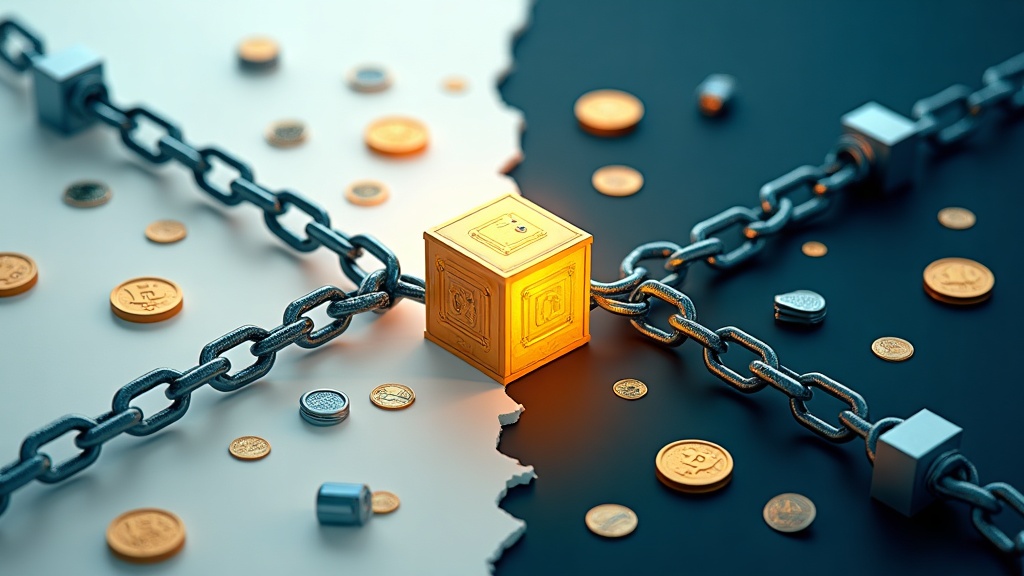
Decentralized Finance (DeFi) represents a revolutionary shift in how individuals interact with money, but many people find it tough to navigate the complexities of this new financial frontier. The promise of DeFi lies in its ability to eliminate intermediaries, thus enhancing financial inclusivity and efficiency. Yet, misconceptions surrounding smart contracts, liquidity pools, and yield farming often create a barrier that discourages people from engaging with DeFi applications. Without a solid foundation of understanding, potential users may hesitate to explore the full spectrum of DeFi's offerings.
This lack of knowledge can hinder users from realizing the benefits that these decentralized applications bring. Exploring DeFi isn't merely about investment; it’s about embracing a paradigm shift that could redefine financial independence. The right execution of leveraging DeFi can lead to financial empowerment, yet poor decisions based on incomplete or misunderstood information can lead to substantial losses. Hence, comprehending how to navigate this landscape becomes imperative.
1. Familiarize Yourself with Key DeFi Terminology
Before diving into DeFi applications, it's essential to understand the terminology used within the space. Terms like "liquidity," "staking," "yield farming," and "smart contracts" may seem daunting, but they are foundational to your understanding of how DeFi operates. For example, liquidity refers to the availability of assets in a market which impacts how easily you can buy or sell without affecting the asset's price.
Misunderstanding terms can lead to mistakes, like entering into a liquidity pool without knowing the associated risks, such as impermanent loss or fluctuating returns. Take time to build your financial vocabulary; this knowledge will allow you to make more informed decisions and avoid pitfalls. Consider using resources like glossaries or tutorials available on reputable financial sites, as these can provide clarity and direction.
2. Assess Your Risk Tolerance
Understanding your risk tolerance is critical when engaging with DeFi applications. DeFi, while promising high rewards, can also lead to significant risks, including potential losses due to volatile assets or smart contract vulnerabilities. Rather than jumping headfirst into yield farms or liquidity pools, take the time to evaluate your financial situation and define how much risk you are willing to take.
Implement a checklist to weigh the risks against your investment goals. For instance, if you have a low risk appetite, you might prefer to start with stablecoin lending platforms rather than experimenting with high-yield, high-volatility tokens. Remember, your risk tolerance may dictate your portfolio’s composition, so adjusting for comfort levels may be more beneficial in the long run.
3. Start Small with DeFi Diversification
Diversification is a tried-and-true strategy in traditional finance, and it is equally applicable in DeFi. As you begin exploring these applications, consider starting small and spreading your investments across different sectors within DeFi—like lending, borrowing, or liquidity pools. This strategy minimizes the impact of unforeseen losses if any particular application or investment underperforms.
For example, allocating a small percentage of your budget across multiple DeFi platforms allows you to experience various protocols without overexposing yourself to any single risk. Additionally, observing trends and performance in an choose sectors can enhance your understanding and confidence. Remember, while it’s tempting to chase high returns, a balanced approach often yields steadier growth.
4. Engage with the Community for Learning and Support
The DeFi space is constantly evolving, and joining communities can significantly enrich your understanding. Platforms like Discord, Telegram, or even Reddit can provide access to a wealth of knowledge and insight from other users. Engaging with community discussions can clarify misconceptions, surface valuable information, and reveal best practices that may not be readily apparent through formal resources.
Participating in community events, webinars, or AMAs can also open up opportunities for networking and learning directly from experienced users and creators. Nevertheless, exercise caution in taking advice at face value; always consider the source and cross-reference information. Harnessing the collective wisdom of the community can be an invaluable tool in navigating the complexities of DeFi.
5. Keep Yourself Informed on Regulatory Changes
Given that DeFi operates in a landscape still subject to evolving regulations, staying informed about changes in financial laws and compliance requirements is crucial. Changes can impact the usability of certain applications or inform your investment strategies based on legal ramifications.
Moreover, engaging with reputable financial news sources ensures you understand both the risks and the innovations within the DeFi space. It’s smart to sign up for newsletters or follow trusted analysts who specialize in DeFi and cryptocurrency trends. Integrating this knowledge into your strategy can provide a competitive edge but requires consistent effort and vigilance on your part.
6. Monitor Your Investments and Reassess Regularly
Investing in DeFi platforms is not a set-and-forget strategy. Regular monitoring and reassessment are essential parts of maintaining a healthy portfolio. The DeFi landscape can experience rapid shifts, from protocol upgrades to changes in tokenomics which may affect your holdings. Schedule periodic reviews to reassess the performance and relevance of your investments, adapting your strategy based on current data.
Utilize tools and dashboards that provide analytics on your DeFi portfolio. Such platforms can automate your monitoring process, notifying you of significant changes that require immediate attention. This vigilance not only protects your investments but can also uncover new opportunities as the market evolves. Ensure your strategy remains dynamic, adapting to market conditions, regulatory changes, or shifts in your financial goals.
This video illustrates the basics of DeFi and common pitfalls newcomers might encounter. It connects directly to the importance of foundational knowledge when stepping into the DeFi space. Gaining insights from visual content can help solidify your understanding while keeping you aligned with what to expect in this innovative financial landscape.
| Application Type | Key Benefits | Potential Risks |
|---|---|---|
| Lending Platforms | Higher interest rates on deposits | Default risk on loans |
| Decentralized Exchanges | Access to a wide range of tokens | Liquidity risks |
| Yield Farming | High potential returns | Impermanent loss |
| Insurance Protocols | Coverage for smart contract risks | Limited provider options |
This second video offers an alternative perspective on navigating DeFi, emphasizing community collaboration and the importance of staying informed. Watching such content further enriches your toolkit for making informed decisions, enhancing your ability to engage successfully with the DeFi space.
Common Mistakes to Avoid in DeFi
- Choosing projects solely based on hype or social media trends.
- Neglecting to read the fine print before investing in DeFi protocols.
- Underestimating the necessity of security measures for wallets and private keys.
- Over-leveraging investments without understanding the consequences.
- Failing to diversify, leading to concentrated risks in volatile assets.
Evaluating Your DeFi Journey
To truly measure progress in your DeFi activities, set clear goals with both short-term and long-term outcomes. Metrics for success should be personalized; whether it’s an increase in assets, achieving consistent returns, or enhancing knowledge within the ecosystem over time, it's crucial not to set unrealistic expectations.
Establish routine evaluations to gauge both your financial outcomes and your level of understanding. An incremental approach allows for reorientation based on what’s working and what isn't while reducing the stress that often accompanies sudden market moves. Remember, the journey in DeFi is not just about immediate returns; it’s about building a sustainable entry into a future-forward, decentralized world of finance.