
Disputing Errors on Your Credit Report A Step-by-Step Guide
Detailed instructions on filing a formal dispute with credit bureaus and creditors to correct inaccuracies and improve your credit profile quickly

Guides in this section
Browse the guides that belong to this section.
Why Fixing Credit Report Mistakes is Essential for Your Financial Security

Few moments in personal finance are more frustrating—or consequential—than discovering errors on your credit report. Whether it’s a phantom late payment, an account you’ve never opened, or outdated information lingering beyond its lifespan, these inaccuracies can quietly sabotage your access to affordable loans, favorable credit cards, or even job opportunities. In today’s economy, where creditworthiness shapes everything from mortgage rates to insurance costs, addressing credit report discrepancies isn’t just good housekeeping—it’s a proactive defense of your financial future.
Credit reports play a quiet but powerful role in modern financial life. As the backbone of lending decisions, they increasingly influence how banks, employers, and landlords view us. Economic shifts and the rapid rise in digital data sharing have made reporting mistakes more common than ever, and with credit scores tightly tied to borrowing costs and debt management, correcting these errors offers immediate, tangible benefit. Failing to dispute inaccuracies can mean paying higher interest, losing out on home ownership, or missing the best offers as you work to build wealth or pay down debts.
There are several key insights every consumer should understand. First, inaccuracies are more prevalent than most realize—routine monitoring with credit score review tools often reveals mistakes from both major and minor lenders. Second, the credit reporting dispute process is a federally protected right, yet it requires persistence, attention to detail, and a clear understanding of each bureau’s procedures. Third, even small errors can disproportionately impact your financial possibilities, especially at critical moments like securing a loan or refinancing a mortgage. Navigating this process wisely helps safeguard not just your score, but your broader financial reputation.
Imagine planning to buy your first home or seeking a promotion that requires a background check, only to be blindsided by an error that could have been corrected months earlier. Practical steps—such as promptly filing a formal dispute, building a simple plan for regular financial monitoring, and leveraging resources like banking and cash management tools—enable you to avoid unnecessary setbacks and keep your goals on track. Sound credit hygiene is not just about numbers; it’s about creating real freedom and flexibility in your financial decisions.
As credit access evolves and new technologies shape the ways lenders evaluate risk, understanding the credit dispute process empowers you to control your financial narrative. By arming yourself with accurate information and a willingness to take action, you lay the groundwork for smarter borrowing, stronger protection against identity errors, and ultimately, a healthier relationship with debt and credit for years to come. For those who want to deepen their mastery of personal finance, this awareness is a critical skill for lasting security and opportunity.
Navigating Credit Report Errors: Strategies for Resolution
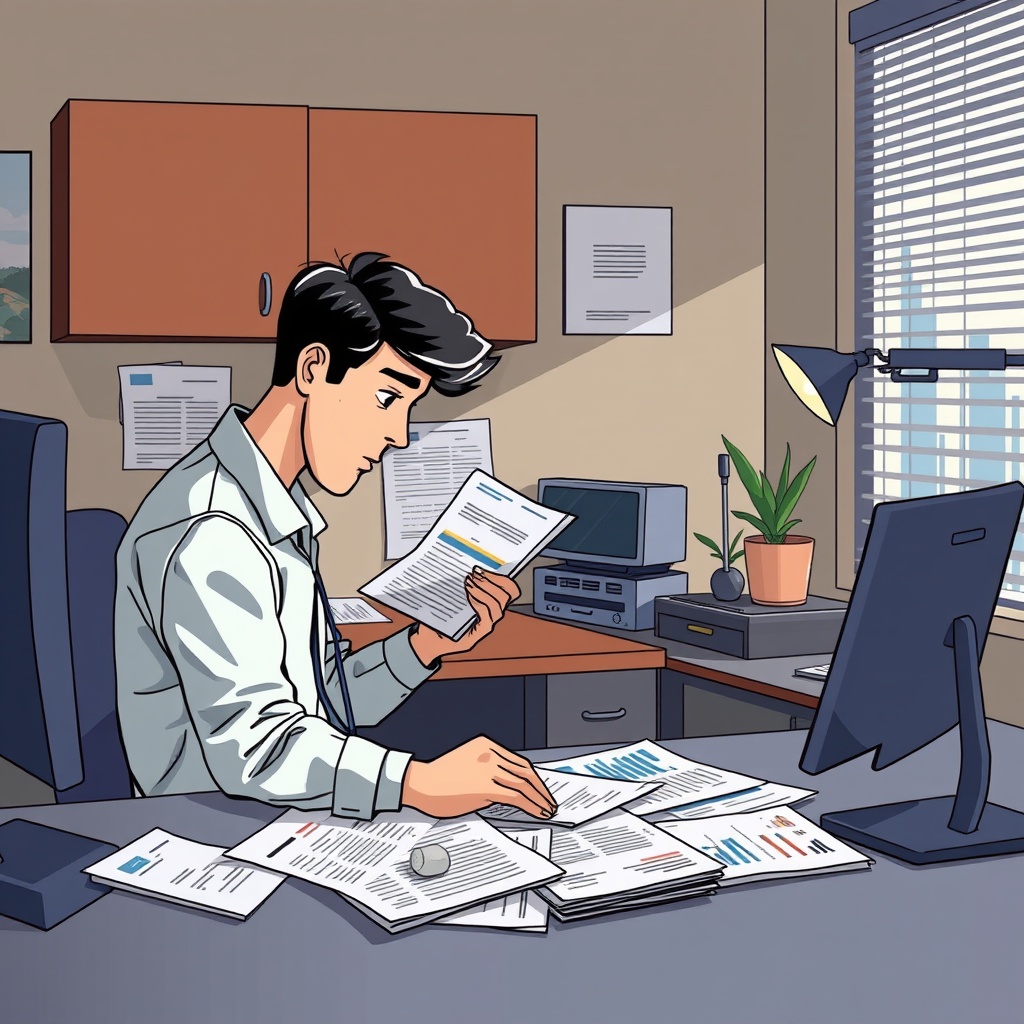
Errors on your credit report can lead to significant financial repercussions, including increased interest rates and loan denials. As the use of credit scores in financial decision-making rises, understanding how to dispute inaccuracies becomes crucial. Generic advice often fails to address the complexities involved in the dispute process, necessitating a more strategic approach to effectively handle these inaccuracies.
-
Understand Your Report Thoroughly
Before initiating any dispute, it's vital to comprehend the contents of your credit report. Familiarizing yourself with the different sections and identifying where the errors lie can save time and improve the precision of your dispute.
Even small discrepancies can impact your creditworthiness. Issues such as incorrect account balances or personal details should be noted for a targeted dispute.
-
Prioritize Errors with Significant Impact
Focus on errors that have the most substantial effect on your credit score first. Accounts marked as late or delinquent, even when they're current, can considerably lower your score.
This prioritization ensures that your efforts yield the most immediate and beneficial results in enhancing your credit profile.
-
Collect Supporting Documentation
Gather all necessary documents that verify the inaccuracies. Supporting documents could include account statements, payment receipts, or identity verification paperwork.
- Diversified proof strengthens your case
- Simplifies the follow-up process
-
Formulate a Clear Dispute Letter
Crafting a precise and persuasive dispute letter is crucial. Your letter should clearly outline the errors and your supporting evidence, maintaining a professional and factual tone.
Effective communication can expedite the resolution process, improving the chances of a favorable outcome.
-
Use Credit Bureau Dispute Platforms
Leverage the online dispute systems of major credit bureaus for a streamlined submission process. These platforms often provide swift responses, keeping the dispute moving forward.
However, remain vigilant by tracking response times and follow-ups through your records.
-
Monitor Responses from Credit Bureaus
Once a dispute is lodged, closely monitor any communications from credit bureaus. These responses will inform you of their findings and any updates to your credit report.
It is crucial to stay organized and keep all communications for reference in case of discrepancies or delays.
-
Pursue Creditor Communication if Necessary
If the error originated from a creditor rather than a credit bureau, direct communication with the creditor might be needed. This step can be vital in cases where initial disputes do not resolve the issue.
- Clarifies creditor vs. bureau responsibilities
- Fosters resolution through direct dialogue
-
Seek Help from Financial Advisors
Professional advice from financial advisors or credit counselors can be invaluable, especially if disputes are complex or aren't resolved satisfactorily. These experts can provide tailored strategies and interventions.
Having professional insight can help navigate more complicated disputes, ensuring you maintain or enhance your credit standing.
| Dispute Channel | Benefits | Drawbacks |
|---|---|---|
| Online Bureau Platforms | Fast processing, user-friendly interface | Less personalized, more rigid templates |
| Direct Creditor Communication | Direct resolution, tailored responses | Time-consuming, requires persistence |
| Professional Financial Guidance | Expert advice, comprehensive strategy | Potential costs, requires selection of credible advisors |
The embedded video elucidates practical steps to dispute various types of errors on your credit report, enhancing your understanding of the process. It demystifies the practicalities of making a compelling case, from documentation to dealing with responses from credit bureaus.
By integrating insights from the video into your financial strategy, you're better equipped to make decisions that can lead to successfully correcting errors. Such informed actions can have a positive ripple effect on your overall financial health, reflecting in improved creditworthiness and financial opportunities.
Understanding the Complexities of Disputing Credit Report Errors

For many individuals, tackling errors on a credit report can be daunting. The process involves navigating channels with credit bureaus, understanding the nuances in the documentation, and sometimes grappling with financial jargon. Rising economic uncertainty and the influx of financial advice online only add to the confusion, often leaving individuals unsure of the best course of action. As maintaining a healthy credit score becomes increasingly critical, correcting inaccuracies promptly is imperative yet laden with challenges.
Misinformation is another hurdle, as many people mistakenly believe that cleaning up a credit report is a straightforward task. In reality, the differences between soft and hard inquiries, the impact of errors on one's credit score, and the importance of timely dispute resolutions are all factors that complicate the decision-making process. Behavioral money habits, such as procrastination or avoidance, can further complicate the timely correction of these errors. Understanding and overcoming these barriers is crucial for maintaining financial health.
Why do many people unknowingly overlook credit report errors?
One critical reason is the lack of regular credit monitoring habits. Despite its significant impact on financial well-being, many people view credit score management as a passive task. This mindset contributes to overlooking glaring inaccuracies. Additionally, financial fatigue and prioritizing immediate economic needs often result in deprioritizing rectifying such errors.
The technical nature of credit reports can also be intimidating. Understanding the segmented data and terminology used by credit bureaus can deter individuals from scrutinizing their reports meticulously. Consequently, mistakes such as incorrect account status or payments marked as delinquent go unnoticed. This lack of attention can lead to long-term negative consequences on one's credit score and overall financial opportunities.
Moreover, there is often a misconception that errors will self-correct over time without intervention. This is far from true; disputing inaccuracies must be an active and strategic endeavor. Without this practice, individuals may find themselves facing added financial liabilities and potentially higher borrowing costs.
What risks do people overlook when ignoring minor credit report inaccuracies?
Ignoring even minor inaccuracies can have significant repercussions. One risk is the potential compounded impact of small errors, which can gradually degrade one's credit score. This deterioration might not seem significant initially but can affect future loan eligibility or lead to increased interest rates.
Additionally, these errors can be symptomatic of larger issues such as identity theft or fraudulent activities, which, if left unchecked, can wreak havoc on personal finances. The oversight can further result in a damaged financial reputation, affecting not only current credit conditions but also longer-term financial objectives.
Furthermore, neglecting inaccuracies can signal a lack of financial diligence, which is often factored into credit assessments by creditors. Emphasizing accurate and timely reporting underpins a sound financial standing, making it essential to address even minor discrepancies earnestly.
Is it actually better to engage directly with creditors when disputing errors?
Engaging directly with creditors can sometimes lead to faster resolutions, as creditors may provide immediate corrections or explanations. However, it also presents challenges, such as ensuring your communication is documented effectively and that disputes lodged are tracked and resolved correctly.
Moreover, the path via credit bureaus secures a more formalized resolution process, with credit bureaus legally bound to investigate the claims. Yet, this method might take longer, requiring patience and persistence from the disputing individual.
The decision to contact creditors directly should be informed by the nature and severity of the error, as well as one's ability to clearly communicate and negotiate effectively. It’s a balancing act between seeking rapid resolution and ensuring a thorough investigative process.
How do credit report errors impact long-term financial goals?
Credit report errors can severely impact long-term financial objectives, such as home ownership or business financing. An erroneously lowered credit score can translate to higher loan interest rates, resulting in greater costs over the life of a loan, which diverts funds from other financial goals.
Inaccuracies may also limit access to new lines of credit, restricting financial flexibility necessary for investments or large purchases. Additionally, they can affect insurance premiums and rental agreements, areas often overlooked when considering the broader implications of credit health.
In the long run, maintaining an accurate credit report ensures that one is well-positioned to take advantage of favorable financial opportunities. It becomes a foundational aspect of financial strategy, supporting both proactive and reactive fiscal planning.
What misconceptions exist about the credit report dispute process?
A common misconception is that the dispute process is adversarial and combative. In reality, credit bureaus and creditors are legally obligated to facilitate and investigate disputes earnestly. However, this misconception can deter individuals from initiating the process altogether.
Another misunderstanding is believing that resolving an error will immediately repair one's credit score. While correcting inaccuracies is beneficial, it may not always lead to an immediate, noticeable change in the score, especially if other negative factors persist.
There is also a belief that disputing repeatedly increases chances of success. This, however, overlooks the importance of a strategic approach wherein valid substantiation supports each dispute. Understanding the supportive documentation requirements is vital in constructing a compelling case for correction.
How does economic uncertainty affect decisions regarding credit report disputes?
During times of economic uncertainty, individuals may prioritize maintaining liquidity over resolving credit disputes, viewing them as a secondary concern. This reflects a short-term financial focus over long-term credit health management, which may expose them to future financial vulnerabilities.
Uncertain economic conditions can also lead to increased stress levels, reducing individuals’ capacity to address and investigate financial discrepancies adequately. This can exacerbate financial neglect, making it critical to strike a balance between immediate concerns and future creditworthiness.
Furthermore, fluctuating market environments often result in changes to lending criteria, making it more important than ever to ensure one’s credit report is accurate and capable of supporting financial endeavors during uncertain times. A proactive dispute strategy can mitigate the impact of broader economic volatility.
What psychological barriers prevent effective management of credit report errors?
Procrastination is a considerable psychological barrier. Many individuals delay action due to the perceived complexity of the dispute process or a lack of immediate repercussions. The absence of immediate negative outcomes can create a false sense of security.
Fear of confrontation can also dissuade individuals from engaging with creditors or credit bureaus. This aversion is often compounded by a lack of understanding, leading to the avoidance of tackling perceived financial conflicts.
Finally, cognitive overload from juggling multiple financial responsibilities can hinder effective credit management. Awareness and acknowledgment of these psychological factors are foundational in overcoming barriers to address and resolve credit report errors efficiently.
What role does digital misinformation play in shaping behaviors towards credit report disputes?
Digital misinformation proliferates quickly, providing inaccurate advice that can lead individuals astray. Claims of exemption from legitimate financial responsibilities or shortcuts to resolving disputes often circulate online, leading to misguided actions or inaction.
The expansive reach of online platforms also means that outdated or region-specific advice is frequently repurposed without detailed scrutiny by individuals seeking quick solutions. This contributes to widespread misconceptions and potential regulatory non-compliance.
Recognizing and addressing misinformation involves relying on established financial advice channels and verifying facts with official financial institutions or consumer protection agencies. Discerning accurate information is vital to effectively manage and resolve credit disputes.
How do experienced individuals approach credit report disputes differently?
Experienced individuals tend to adopt a proactive and continuous credit monitoring approach, enabling them to identify discrepancies promptly and address them before they impact their financial standing. Engagement in regular financial health assessments also reflects a strategic, long-term outlook.
These individuals often possess a comprehensive understanding of their financial rights and utilize structured documentation to support their claims effectively. Accumulating evidence and communicating documentation openly with credit bureaus can be essential in achieving successful resolutions to disputes.
Additionally, experienced individuals often incorporate disputes into broader financial planning, considering the implications of a clean credit report on their overall financial strategy. This perspective allows them to manage credit health as a dynamic component of long-term fiscal success.
| Approach | Pros | Cons |
|---|---|---|
| Direct Communication with Creditors | Faster potential resolutions, personalized communication | Requires effective negotiation, risk of inadequate documentation |
| Formal Dispute through Credit Bureaus | Structured process, legally bound investigation | Possible longer timelines, requires adhering to formal procedures |
| Regular Credit Monitoring | Early error detection, proactive management | Requires ongoing diligence and resource use |
The video embedded above provides practical insights on expeditiously removing charge-offs from credit reports. It underscores the importance of understanding procedural specifics and effectively communicating with credit agencies. By offering actionable advice, the video complements the written guidance provided here, enhancing readers' confidence in navigating credit repair processes.
Understanding the nuanced steps involved in dispute resolution and its larger implications is crucial for safeguarding financial health. Through strategic and informed approaches, individuals can not only rectify errors but also build a robust financial foundation that supports long-term objectives. This awareness is vital in navigating personal finance complexities with clarity and foresight.
Implementing the Right Steps to Correct Errors on Your Credit Report

Many people are surprised by how common errors are on credit reports. Incorrect information—from outdated addresses to mistaken late payments—can have a major impact on your financial opportunities. Yet, when it comes to actually disputing these inaccuracies, most consumers feel overwhelmed. It’s not just about knowing something’s wrong; it’s also about understanding the multi-step process for getting it fixed—and sticking with it despite obstacles.
Confusion stems from several sources: legal jargon, unclear timelines, and doubts about the impact of their actions. Some people hesitate to take action because they’re worried it will be too complicated or fear it can somehow harm their credit further. Others may misunderstand the roles of credit bureaus versus lenders, or feel unsure whether disputing is even worth the hassle. The consequences of leaving inaccuracies unresolved can stretch far into the future—impacting loan approvals, interest rates, housing opportunities, even job prospects.
If you want your credit profile to accurately reflect your financial behavior, correcting credit report errors is not optional—it’s essential. But turning good intentions into results demands clarity, patience, and consistency. Following a thoughtful process will boost your confidence and position you for long-term financial health.
Verify All Information on Your Credit Report
Before taking any formal steps, carefully review every section of your credit report—personal info, account history, balances, payment statuses, and any negative marks. Scrutinize even minor details, like old addresses or name misspellings, as these can indicate mixed files or identity errors.
Real-world example: You might notice an account listed as late that was actually paid on time, or a loan you never opened. By catching these errors early, you set a strong foundation for your dispute. Understanding exactly what’s wrong ensures your complaint is precise and increases its chance of success.
Gather Documents to Support Your Dispute
Documentation is critical. Collect bank statements, account records, payment confirmations, or any correspondence showing the correct information. Credit bureaus and creditors require proof, not just claims. Strong documentation directly addresses what makes the disputed item inaccurate.
Suppose you’re disputing a late payment that you actually paid on time. Gathering statements that show on-time payments, or a letter from your lender acknowledging the timely payment, reinforces your dispute. The more thorough and organized your documentation, the clearer your case.
Contact the Furnisher (Creditor) When Possible
Many errors originate with the lender or financial institution (the “furnisher”) that reports to the bureaus. Contacting them first can sometimes resolve issues faster, as they have the power to correct mistakes directly at the source. Explain the error, share your supporting evidence, and ask them to update their reporting to the credit bureaus.
For example, if you spot a misreported balance, a phone call or certified letter to your bank may prompt a direct correction. Even if they don’t resolve it immediately, documenting your communication adds strength to your case with the credit bureaus later.
Submit a Written Dispute to Each Relevant Credit Bureau
File a formal dispute with every credit bureau (Experian, Equifax, TransUnion) reporting the error. Online portals make this convenient, but a written letter by certified mail can provide an additional paper trail. Clearly identify each item in question, explain why it’s incorrect, and include your documentation.
Sending a written dispute demonstrates seriousness and protects your rights under the Fair Credit Reporting Act (FCRA). Attach copies (never originals) of all supporting documents. Make sure to keep copies of all correspondence for your records.
Monitor the Investigation Process and Respond Promptly
Once a dispute is submitted, the bureaus must investigate and respond within 30–45 days. Pay close attention to messages, requests for more information, or updates on your case. If the bureaus or furnishers need clarification, respond quickly and provide any additional documents they request.
Active follow-up keeps your dispute on track and limits delays. If a bureau rules against your dispute, consider whether new evidence or a clarification might alter the outcome—and be prepared to escalate if needed. Persistence often separates successful outcomes from missed opportunities.
Review Results and Ensure Corrections Are Made
When the investigation concludes, the bureaus must notify you of their findings in writing. Review these results carefully. If the error has been corrected, verify that your updated credit report reflects the change across all reporting agencies. Don’t assume the fix is automatic or comprehensive—mistakes during updates are still possible.
If your dispute is denied, you have the right to submit a statement of explanation in your credit file, or escalate to the Consumer Financial Protection Bureau or seek legal support. Successful correction improves not only your score, but also your ability to secure favorable rates or approvals in the future. For more comprehensive advice on managing your credit, visit our debt and credit health resource center.
Commit to Ongoing Credit Monitoring and Healthy Habits
Even after a dispute is resolved, consistent credit monitoring is a smart habit. New errors can occur as accounts change or as lenders update systems. Set a schedule to check your reports at least annually, or consider using monitoring services for alerts to changes.
This step helps you identify and correct new mistakes early, while reinforcing other healthy financial routines—like staying current on payments and keeping debts manageable. Ongoing vigilance ensures you maintain control, reducing future surprises and supporting your long-term financial stability. For tips on daily financial organization, explore our guide to budgeting and day-to-day money management.
The TikTok video above breaks down the credit dispute process in an approachable, step-by-step format. It highlights practical actions for identifying inaccuracies and explains the importance of organized documentation. For readers who may feel intimidated by legalistic instructions, this visual guide helps demystify each stage, making it clear that correction is possible for everyone—not just financial experts.
By seeing a real-life walkthrough, viewers get a sense of the pacing, paperwork, and persistence needed. This is valuable for those starting their first dispute or feeling uncertain about initiating the process, reinforcing that progress comes from action, not expertise alone.
| Disciplined Approach | Inconsistent Effort |
|---|---|
| Regularly reviews credit reports and documents errors as soon as they appear. | Only checks credit when there’s an urgent issue or application rejection. |
| Prepares thorough documentation and follows up on disputes proactively. | Sends a dispute once, but neglects to follow up or respond to requests. |
| Views the process as an essential part of long-term financial health. | Sees dispute tasks as a burden, delaying action until negative consequences arise. |
| Uses each dispute as an opportunity to build better organizational habits. | Falls back into reactive patterns once the immediate error is addressed. |
The second TikTok video shares a personal account of quickly resolving a credit report mistake. Firsthand experiences like this provide encouragement—especially for those unsure about the real-world impact of disputing errors. Seeing how prompt action and persistence led to a resolution reinforces the practical framework discussed above.
This story reminds viewers that while the process may feel daunting, tangible improvements are within reach when you approach it methodically. It’s proof that your financial health isn’t out of your hands, and that informed steps can yield faster, more effective results—both for your credit score and future financial opportunities.
Common Behavioral Mistakes When Disputing Credit Report Errors
- Letting frustration drive impulsive or incomplete disputes, instead of patiently gathering evidence
- Underestimating the long-term impact of minor errors and delaying the dispute process
- Assuming that contacting only one bureau or creditor is sufficient for complete correction
- Failing to follow up or respond to requests from credit bureaus during investigation periods
- Believing the process is “one-and-done,” and neglecting ongoing credit monitoring
- Giving up after an initial denial instead of seeking further explanation or escalation
Evaluating Success: Focus on Consistency and Steady Progress
Measuring the outcome of your dispute shouldn’t hinge solely on immediate results or a jump in your credit score. True success comes from consistently ensuring your report accurately represents your credit habits, and from building routines that protect against future errors. This includes periodically reviewing your reports, documenting your financial interactions, and staying informed on related financial topics.
Progress is often gradual: corrections might take time, and it may be several months before you see measurable changes in your credit opportunities. Avoid the temptation to expect instant fixes. Instead, value steady improvement—it’s these habits, practiced year after year, that lead to more favorable loan terms, lower insurance costs, and greater financial confidence throughout your life.