
Generating Retirement Income from Annuities and Pensions
Understanding immediate and deferred annuities defined benefit pensions and how to integrate these reliable income sources into your overall financial plan

Guides in this section
Browse the guides that belong to this section.
Unpacking the Complexities of Income Strategies for Retirement
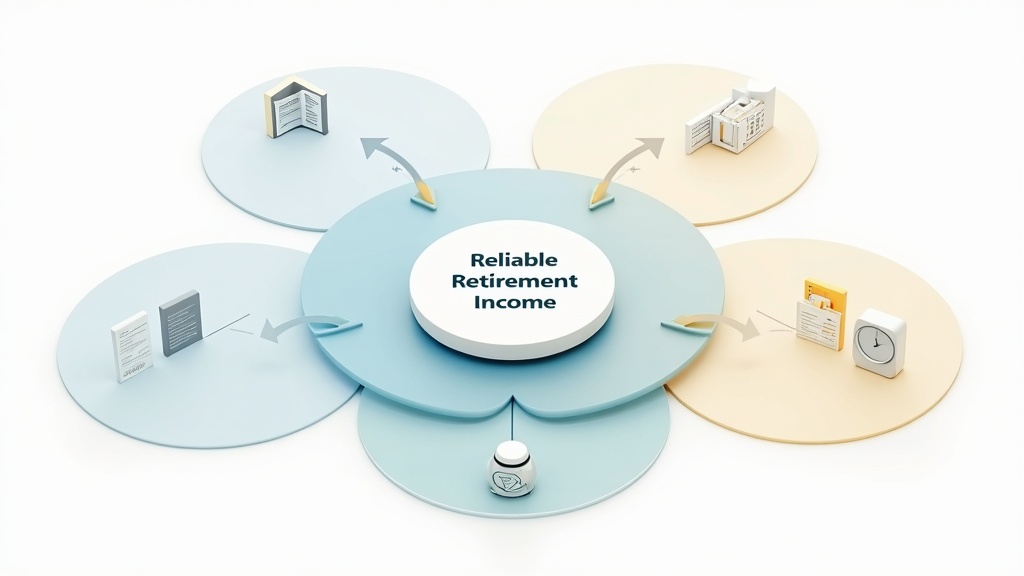
Navigating the avenues of retirement income can be surprisingly convoluted, especially when it comes to annuities and pensions. Many retirees find themselves drawn to these financial instruments, but there’s often a misunderstanding surrounding their true value and potential drawbacks. It's easy to see why. The landscape of retirement planning is littered with appealing marketing slogans that promise security and comfort but may gloss over the nuanced implications these products hold for individual finances. As such, discerning retirees must sift through layers of information to make informed choices that align with their long-term financial goals.
Moreover, the complexity escalates when you realize that every retiree's situation is unique. Factors like tax implications, the timing of withdrawals, and the unpredictable longevity of life all play crucial roles in determining the optimal use of annuities and pensions. Consequently, simplified advice can fall flat for those unfamiliar with the intricate tradeoffs involved in integrating these income streams into a cohesive financial plan. A decision that might seem straightforward to some could have long-lasting ramifications that aren't immediately evident.
Ultimately, understanding how to effectively utilize annuities and pensions is about more than just skimming the surface. It requires a comprehensive view of both the immediate and long-term consequences on one’s financial landscape. By unraveling this complexity, retirees can better position themselves to achieve the lifestyle they envision in their golden years, rather than relying solely on the alluring promises of financial products.
Why do many people underestimate the importance of considering inflation in retirement income plans?
Inflation is often viewed as a mere statistic until it impacts a person's daily finances. Many retirees begin their retirement with a comfortable income from annuities or pensions, but as the cost of living rises over time, that same level of income may not maintain its purchasing power. This phenomenon can lead to a stark realization for many—what seemed like adequate funds could start to feel insufficient. However, considering inflation from the outset can be daunting, prompting individuals to overlook the long-term consequences in the pursuit of immediate comfort.
One common misconception is that fixed-income products like annuities will always provide stability against inflation. While many annuities offer guaranteed payout rates, these are typically based on the initial investment amount and don’t adjust thereafter. This is particularly problematic in high-inflation environments, where fixed payments can lead to a serious erosion of a retiree's purchasing power. Hence, retirees must approach annuities and pensions not as static figures but dynamic components of their overall financial strategy.
To address inflation effectively, it's essential to evaluate products that offer some degree of inflation protection. Options such as inflation-indexed annuities or annuities that include cost-of-living adjustments can provide more robust post-retirement income. However, such products often come with their own set of tradeoffs, such as higher premiums or lower initial payouts, which require careful consideration and lifestyle assessment to determine their suitability.
What happens when retirees avoid understanding the tax implications of their annuities and pensions?
The tax landscape surrounding pensions and annuities is complex, and a lack of understanding can lead to costly mistakes for retirees. Many individuals may not realize that the withdrawals they make from these income sources can be subject to federal and sometimes state taxes. This can drastically reduce the amount they actually receive, affecting their standard of living. Consequently, failing to engage with the tax implications can significantly undermine the financial security a pension or annuity is meant to provide.
Furthermore, retirees might not fully understand how different types of annuities are taxed. For example, traditional annuities are often taxed as ordinary income upon distribution, while other vehicles may offer tax-deferred growth or favorable treatment under certain circumstances. The tax consequences can vary widely based on individual circumstances, such as when they withdraw their funds or how long they keep their investments. Without a thorough understanding of these variables, retirees risk facing unexpected tax bills that can diminish their retirement income.
Ultimately, consulting a financial professional regarding tax strategies associated with annuities and pensions can be invaluable. They can offer tailored advice on how to manage withdrawals in a manner that mitigates tax risks while maximizing after-tax income. This holistic view is essential for ensuring that retirees can enjoy their retirement without being blindsided by unforeseen tax liabilities.
Is it actually better to prioritize immediate income over long-term growth when choosing retirement income sources?
Opting for immediate income sounds appealing, especially for those nervous about their financial reality in retirement. However, prioritizing short-term payouts may come at the expense of potential long-term growth. Many retirees may assume that securing fixed income now—via immediate annuities, for instance—translates to financial stability without recognizing the impact of opportunity costs. The tradeoffs between immediate gratification and future financial health can be stark.
While immediate income can help cover essential living expenses, focusing solely on this income may neglect the importance of growth. Many retirees are increasingly living longer after they retire, sometimes for 30 years or more. In a protracted retirement, income sources that provide no growth can lead to a scenario where retirees run short on funds later in life. Moreover, the lack of growth can also compound issues related to inflation, as there’s no allowance for rising costs over time.
In essence, a hybrid approach may serve individuals better by allowing for a balance between stable, immediate income, and deployment of portions of their funds into growth-oriented vehicles. This strategy can sustain living expenses while also fostering financial resilience for the years to come. Therefore, weighing the benefits of immediate income against long-term growth should be part of an ongoing conversation with a financial advisor as one's retirement landscape evolves.
What do most people misunderstand about the role of liquidity in annuities and pensions?
Liquidity is one of the most crucial but often overlooked aspects of retirement income planning. Many individuals investing in annuities and pensions may overlook that these instruments traditionally lock up funds for extended periods, often with penalties for early withdrawal. This lack of liquidity can create a precarious situation for retirees who might face unexpected medical expenses or other financial obligations during retirement.
A common misconception is that all retirement income products will offer easy access to cash when needed. However, most fixed annuities have surrender periods that could lock individuals into their plans at a time when flexibility is necessary. On the other hand, pensions typically disburse funds in set installments, further constraining immediate access to cash. This inflexibility may lead to financial strain if unanticipated circumstances arise during retirement, leaving retirees feeling trapped.
To navigate these potential pitfalls, it's essential to incorporate liquidity considerations into retirement planning. Evaluating how much liquid cash might be needed against the backdrop of income from annuities and pensions can inform decisions about whether to allocate funds into more liquid investments. Ultimately, preserving access to liquid funds can enhance financial security, allowing retirees to tackle life’s uncertainties more effectively without jeopardizing their long-term income strategy.
How do retirement income sources interact to create a sustainable retirement plan?
The interaction among various retirement income sources—like Social Security benefits, pension plans, and annuities—is pivotal in constructing a sustainable retirement strategy. Many retirees tend to view each source in isolation, which can lead to an unbalanced financial plan. Each of these instruments has distinct features, risks, and rewards that can collectively influence an individual's financial stability in retirement.
For instance, combining a steady pension with an appropriate annuity can offer a robust foundation built on reliable income streams. In this scenario, pension benefits can cover fixed expenses while annuities may be employed for discretionary spending or to hedge against longevity risk. However, mismanaging the timing and amounts taken from each source can create detrimental inefficiencies. Withdrawals from pensions could inadvertently trigger tax penalties, while holding annuities too long could inhibit access to needed cash.
To ensure each component works in harmony, retirees must continuously evaluate how income sources complement one another. Employing strategies that utilize a mix of guaranteed income and growth potential can help better align with fluid future expenditures. Consultation with a financial advisor who specializes in integrated income streams can help retirees create a more cohesive financial strategy that adapts seamlessly to changing circumstances throughout their retirement years.
What are the hidden challenges associated with combining annuities and pensions?
While combining annuities and pensions may seem like a strategy for a more diversified retirement income stream, it presents its own set of hidden challenges that retirees often overlook. Many individuals tend to focus on the benefits of having multiple sources of income, but the complexities involved in managing these products can become quite convoluted. For instance, understanding how payment structures differ, as well as how they are taxed, requires careful consideration to avoid gaps in income or unforeseen costs.
One challenge is the potential overlap in benefits. Some pension plans provide guaranteed income for life, which can lead to redundancy when paired with an annuity that offers similar lifetime payment features. Retirees may inadvertently over-invest in one type of income, creating a lack of potential for meaningful growth elsewhere. Additionally, if one income source underperforms or is reduced, individuals who heavily rely on that product could find themselves in a vulnerable financial position.
Beyond overlaps, there are also exit strategies or liquidity concerns that retirees may not adequately consider when combining these sources. Different products can come with varying surrender penalties, withdrawal options, and timeframes which, if not effectively navigated, can undermine financial goals. Thus, a comprehensive analysis of each source in concert—as opposed to in isolation—is critical for establishing and maintaining an aligned income strategy that facilitates long-term financial security in retirement.
How does engaging with a professional impact decision-making around annuities and pensions?
The value of involving a financial professional in retirement planning cannot be overstated, particularly in relation to annuities and pensions. Many retirees may underestimate the complexity of these financial instruments or fall prey to biases in their decision-making due to a lack of experience. A knowledgeable financial advisor can provide invaluable insights that lead to more informed decisions, ultimately guiding retirees toward a better financial future.
Engaging with a professional can introduce a more nuanced understanding of how different retirement income sources interact, especially when navigating the complexities of annuities and pensions. Financial advisors can help clients identify their risk tolerance, cash flow needs, and lifestyle aspirations while also assessing potential pitfalls of their existing plans. This translates into tailored recommendations that are far more aligned with an individual’s longer-term goals instead of impulsively opting for products based on immediate allure.
Moreover, a financial professional can assist retirees in ongoing financial evaluations, adapting strategies as life circumstances evolve. This is essential because retirement planning isn’t a one-and-done process; it’s dynamic and requires regular recalibrations to be successful. By fostering a partnership with a financial advisor, retirees can enhance their decision-making capabilities, making strides toward financial stability and peace of mind throughout their retirement years.
| Thinking Pattern | Tradeoffs | Decision Clarity |
|---|---|---|
| Short-term income focus | Potential for long-term growth compromise | Need for holistic financial assessment |
| Understanding tax implications | Overlooked liabilities leading to financial strain | Proactive tax strategy necessary |
| Liquidity needs | Restrictions and penalties from locked-in funds | Ensuring access to funds without jeopardizing income |
| Engagement with professionals | Costs versus potential savings in pitfalls | Maximizing benefits through informed advice |
| Factoring in inflation | Potential loss of purchasing power over time | Consideration of indexed solutions |
Essential Insights for Generating Reliable Retirement Income

As you approach retirement, understanding how to generate income from annuities and pensions is crucial. Planning for this phase of life involves more than merely saving; it requires a thoughtful strategy that ensures your financial stability throughout retirement. Annuities and pensions can provide consistent cash flow, but their complex features and varying benefits make careful consideration necessary.
For many, retirement is a long-deserved reward for years of hard work, and knowing the right income strategies can strengthen this financial foundation. Simple answers may seem appealing, but the intricacies of different products can lead to costly missteps. It’s important to grasp the nuances that govern each option for a secure financial future.
-
Understanding Immediate Annuities
Immediate annuities convert a lump sum of money into a stream of income that starts almost immediately. This option can be particularly beneficial for those who desire instant cash flow over long-term investment growth.
They are ideal for retirees who want to budget their monthly expenses confidently without worrying about market fluctuations. However, once you commit your funds, accessing that capital is generally not possible without significant penalties, so consider overall liquidity needs before proceeding.
-
The Role of Deferred Annuities
Deferred annuities allow you to build savings over time with tax-deferred growth until you decide to withdraw the funds. This strategy can be advantageous for younger retirees who wish to maximize their investment potential and delay income.
But keep in mind that access to your money is limited until annuitization, which could be a concern in emergency situations. Balancing the potential for growth against the lack of immediate access is key in deciding whether this route fits your retirement plan.
-
Evaluating Defined Benefit Pensions
Defined benefit pensions provide a guaranteed monthly stipend based on your salary and years of service. They offer predictability and security, reducing the burden of investment risk typically associated with annuities.
This video dives deeper into the nuances of defined benefit pensions, showcasing their importance in retirement planning. Understanding how these pensions work can help you appreciate their value as a reliable income source.
Education on this subject is essential, as not all employers offer these pensions. If you're eligible, understanding the terms will help maximize your retirement readiness.
-
Assessing Inflation-Proof Options
As inflation impacts purchasing power, it's vital to choose options that can adjust with the cost of living. Some annuities include cost-of-living adjustments (COLAs), ensuring your monthly income retains its value over time.
While these products can enhance long-term value, they often come at a higher cost. Weighing the benefits against additional expenses is essential in crafting a resilient retirement income strategy.
-
Diversifying Income Sources
Relying solely on one type of income can be risky. By diversifying between annuities, pensions, investments, and other income streams, you can create a more stable financial foundation that withstands market fluctuations.
A diversified approach can provide peace of mind and assurance against uncertainty, making it essential to assess your overall financial picture to find balance among various income sources.
-
Understanding Withdrawal Strategies
Planning how to withdraw from your retirement accounts is just as important as how those accounts are funded. Knowing the right sequence of withdrawals can minimize taxes and sustain your income for longer.
This video clarifies various strategies for making withdrawals, helping you understand which accounts to tap into first. It emphasizes the importance of strategic withdrawals and their direct impact on your retirement longevity.
Taking the time to evaluate your withdrawal strategy ensures your resources are maximized, allowing you to enjoy your retirement fully without the stress of financial insecurity.
-
Tax Implications of Annuities and Pensions
Understanding how your income will be taxed is essential for effective planning. Annuity withdrawals can be taxed differently than pension distributions, affecting your overall income.
Learning about the tax treatment of each option can help you make informed decisions that preserve your wealth throughout retirement. Consult with a tax advisor to navigate the complexities specific to your situation.
-
Monitoring and Adjusting Your Plan
Your retirement income strategy isn't static; it needs to evolve based on changing personal circumstances and market conditions. Regularly reviewing your plan can help ensure that you remain on track.
Engage with financial professionals to assess the effectiveness of your current income strategies and make adjustments as needed to secure your financial future.
| Type | Income Stability | Liquidity | Inflation Protection | Tax Treatment |
|---|---|---|---|---|
| Immediate Annuities | High | Low | Variable | Ordinary Income |
| Deferred Annuities | Moderate | Very Low | Possible | Tax-Deferred |
| Defined Benefit Pensions | High | Low | Some Adjustments | Ordinary Income |
Effectively Leveraging Annuities and Pensions for Retirement Income

Understanding how to generate retirement income through annuities and pensions can be emotionally taxing and complex. Many people struggle with the sheer number of options and the nuances of financial products. There’s often confusion surrounding the differences between immediate and deferred annuities or the potential payoffs of defined benefit pensions. Additionally, many are wary of making long-term commitments due to fears of market fluctuations or unexpected life changes, all of which can hinder their decision-making process.
The correct execution of integrating these income sources into your financial plan is crucial. Knowing how to navigate the intricacies allows you to minimize risks and maximize benefits. By grasping how to leverage these instruments effectively, you’ll not only secure your financial future but can also facilitate peace of mind during retirement years. It is essential to approach this strategically and ensure you are well-informed about your options to make decisions that align with your life goals.
1. Understanding Annuities and Their Types
Before diving into the implementation, it's vital to grasp what an annuity is. An annuity is a contract with an insurance company aimed at providing a steady income stream, often in retirement. There are several types, including immediate and deferred annuities. Immediate annuities kick in right away and can be ideal for those who need income soon after retirement. In contrast, deferred annuities accumulate funds over time, offering potential growth before payouts begin.
When considering annuities, weigh the properties of each type. Immediate annuities provide predictability but can limit your flexibility if life circumstances change. Deferred annuities might offer a better chance for growth, but they come with a waiting period during which you miss out on income. Understanding these distinctions allows you to choose an annuity that aligns with your retirement timeline and income needs.
2. Grasping Defined Benefit Pensions
A defined benefit pension plan guarantees a specific retirement benefit amount based on various factors, including salary history and years of service. Understanding your pension plan's calculation method is essential; some offer more lucrative payouts than others. Furthermore, each plan may have terms regarding eligibility and vesting that can significantly impact your cash flow in retirement.
Pensions provide a level of security that many annuities do not, but the trade-off is inflexibility. If you are fortunate enough to have access to a pension, comparing its structure against your retirement income goals becomes vital. Accurately forecasting how much you'll receive and when enables you to blend these with other income sources to create a well-rounded retirement strategy.
3. How to Combine Income Sources Strategically
Combining annuities and pensions can create a safer, more reliable income stream in retirement. Assess your total income needs and the guaranteed amounts you'll receive from pensions and annuities to understand how they function together. Ideally, you want to cover essential living expenses with guaranteed income sources to avoid market risks impacting your financial security.
Remember that while combining these sources creates financial security, you should also strike a balance that allows for growth. Incorporating investments or savings accounts could provide additional funding streams that can help in unexpected situations. Taking a holistic view can assist you in minimizing risks while ensuring you meet your lifestyle expectations.
4. Considering Inflation and Its Impact
Inflation can significantly erode the purchasing power of your fixed income from pensions and annuities over time. It’s crucial to consider how rising costs may influence your retirement years. Products like inflation-adjusted annuities may be worth investigating, as they can adjust payouts based on inflation rates.
Being proactive about inflation allows you to build a more resilient retirement plan. Consider incorporating growth investments into your portfolio even after you've started collecting pension or annuity income. This ensures that your wealth is not only preserved but also has room to appreciate over time, countering inflation's effects.
5. Evaluating Fees and Charges
All financial products come with costs, and annuities are no exception. Common fees, including surrender charges, mortality and expense fees, and administrative fees, can eat into your returns. Understanding these costs upfront can prevent unpleasant surprises down the road.
When setting up your retirement income plan, evaluate whether the benefits provided by annuities justify the associated fees. If your choice involves higher expenses with limited benefits, it might make sense to explore other options or insurance products that offer better value.
6. Creating a Withdrawal Strategy
Deciding when and how much to withdraw from your pensions and annuities can be one of the more daunting aspects of retirement planning. Establishing a sustainable withdrawal strategy is crucial in ensuring your funds last throughout your retirement. A common method is the 4% rule, suggesting that withdrawing 4% of your retirement portfolio annually can help maintain your savings over the long haul.
However, this rule may not work for everyone, especially considering variations in market conditions and individual living expenses. Tailoring your withdrawal approach based on your unique situation, including health, lifestyle, and investment strategy, will require careful consideration and annual reviews to ensure you remain on track.
This TikTok video summarizes the key aspects of both annuities and pensions, illustrating how they function as income sources. By watching it, you can enhance your understanding of these financial tools, making it easier to visualize how they might fit into your retirement planning strategy.
| Feature | Annuities | Pensions |
|---|---|---|
| Income Timing | Immediate or Deferred | Fixed on Retirement |
| Payment Structure | Flexible Options | Set Formula Based |
| Inflation Protection | Varies by Product | May Lack Adjustment |
| Fees | Potentially High | Usually Low |
| Market Risk | Variable | None |
7. Recognizing Common Mistakes
- Failing to read the fine print on annuity contracts, leading to unexpected fees.
- Neglecting to factor in potential inflation effects when estimating retirement income needs.
- Overlooking the impact of taxes on their pensions and annuities.
- Skipping diversification, thus exposing themselves to market risks.
- Rushing their decisions without fully exploring other income avenues.
Measuring Your Retirement Success
Evaluating your retirement success requires more than just checking off boxes. Regularly assess your income sources, ensuring they align with your evolving lifestyle and financial goals. Keep track of your spending to ensure you're within your means while continuing to grow your savings and investment portfolios.
Moreover, short-term successes shouldn’t overshadow long-term strategies. Resist the urge to make hasty decisions based on temporary market trends. Instead, have a well-thought-out plan that allows for annual reviews, adjusting as necessary based on life changes and market conditions.