
Advanced ETF Structures Leveraged and Inverse ETFs
An exploration of complex ETF types including their risks rewards and appropriate use cases for experienced investors

Guides in this section
Browse the guides that belong to this section.
Navigating the Complexity and Opportunity of Leveraged and Inverse ETFs

What if your portfolio could move faster than the market itself—or even turn falling prices into potential gains? For experienced investors hungry for more than just “set it and forget it,” leveraged and inverse ETFs offer a toolkit that goes beyond the basics. In a world where markets move at breakneck speed and volatility can appear overnight, understanding how these advanced ETF structures work is both a powerful opportunity and a necessary safeguard against unnecessary risk.
The appeal is clear: leveraged ETFs amplify daily market movements for bigger potential returns, while inverse ETFs give nimble investors a chance to profit when markets drop. Yet every innovative structure comes with its own set of nuances. The rapid popularity of these funds speaks to investor appetite for flexibility and tactical trading, but it also sharpens the focus on education and risk management. Misunderstanding how leverage resets daily, or how compounding can erode gains in volatile markets, is a common—and costly—misstep. The tradeoff is sharp: potential for outsized returns versus the possibility of rapid losses, all within a structure that demands close attention, not autopilot investing.
Key concepts shape the landscape: daily vs. long-term investment horizons, the mechanics of leverage, the danger of “doubling down,” and how inverse strategies fit or clash with diversified portfolios. The regulatory environment around these products continues to evolve, making it essential for anyone considering leveraged or inverse ETFs to operate with clarity and caution. Understandably, these are not buy-and-hold vehicles for the faint of heart or for those still finding their financial footing.
For real-world investors, the decision to embrace advanced ETFs is never purely theoretical. It’s about determining whether these tools can complement your portfolio construction—potentially hedging market risk or enabling a short-term tactical play—without derailing your overall financial plan. Informed users often pair these strategies with strong budgeting foundations and a thoughtful approach to broad wealth-building, ensuring their ambitions for higher rewards don’t undermine their core savings, retirement, or long-term estate planning goals. Leveraged and inverse ETFs can offer professional-grade flexibility, but only when wielded with a deliberate hand and constant vigilance.
As the investing landscape grows more sophisticated—and perhaps less predictable—advanced ETF structures will likely remain tools of choice for a specific set of investors willing to put in the time to master them. Whether you’re exploring tactical hedging, short-term speculation, or diversifying your investing approach, understanding these funds now ensures you’re ready to act strategically when opportunity—or risk—comes knocking. The next wave of innovation in personal finance may well belong to those who learn how to harness complexity, not shy away from it.
Navigating Advanced ETF Structures: Leveraged and Inverse ETFs Uncovered
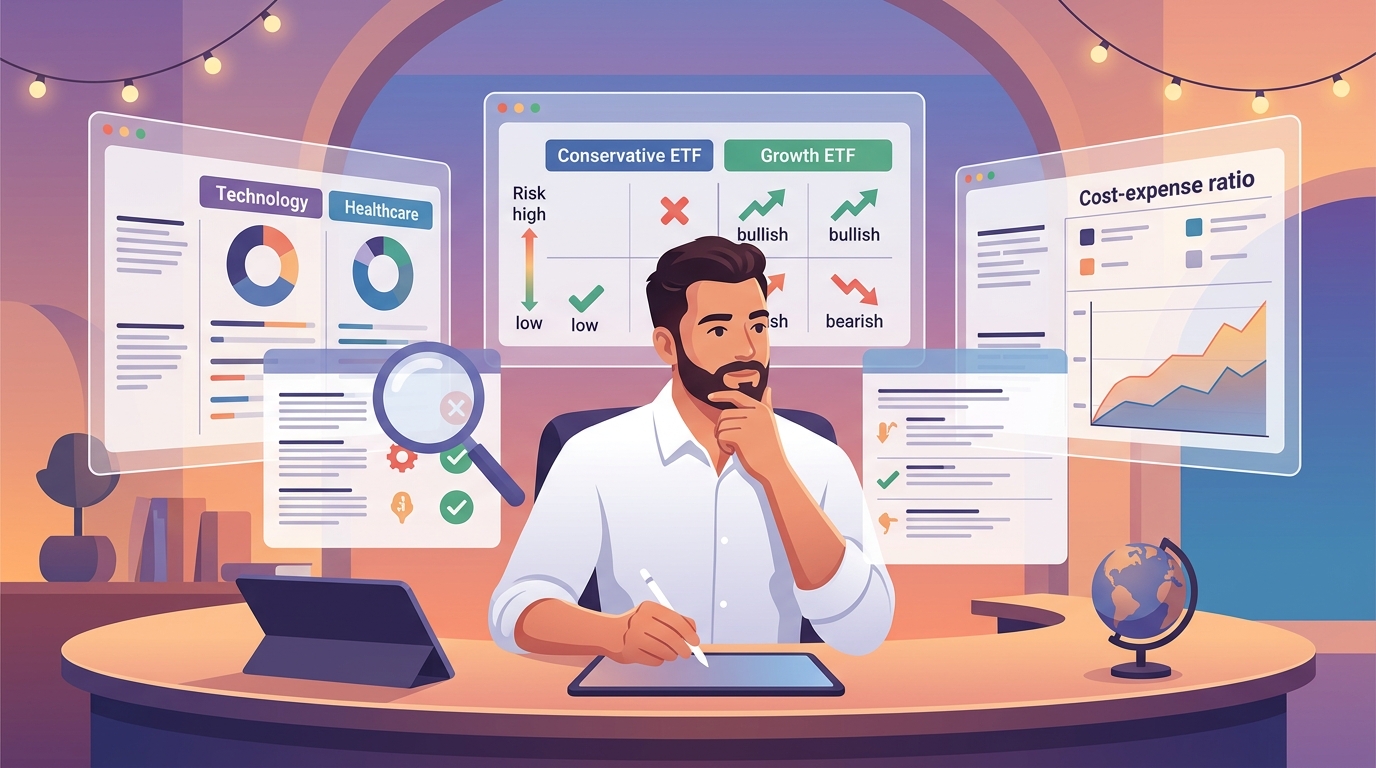
In the dynamic world of investing, understanding the intricacies of advanced ETF structures like leveraged and inverse ETFs is crucial for seasoned investors. These financial instruments carry unique risks and rewards that set them apart from traditional ETFs. As such, they require a more nuanced approach and deeper comprehension to fully harness their potential benefits and mitigate their inherent risks.
Given their complexity, simple answers often fall short in capturing the true nature of leveraged and inverse ETFs. Instead, these vehicles demand a thoughtful evaluation of their structure, purpose, and fit within an investor's portfolio. Let's dive into the essential elements that make them both compelling and challenging.
-
Understanding Leverage and Its Implications
Leverage allows an ETF to amplify its returns by using financial derivatives and debt, aiming to deliver multiple times the return of its underlying index. While this can potentially boost gains, it also magnifies losses, making them unsuitable for risk-averse investors.
Investors should consider their risk tolerance and time horizon before incorporating leveraged ETFs into their strategy. They are typically not recommended for long-term holding due to the daily reset feature which can erode potential gains over time.
-
The Role of Inverse ETFs in Hedging
Inverse ETFs are designed to profit from a decline in the value of a benchmark index, effectively serving as a hedge against market downturns. They can offer protection and strategic benefits in bear markets or when specific sectors falter.
However, like leveraged ETFs, they involve significant risk, especially if held for extended periods due to daily rebalancing. They suit investors with a short-term, tactical outlook rather than a buy-and-hold strategy.
-
Evaluating Expense Ratios and Costs
Leveraged and inverse ETFs often involve higher expense ratios compared to standard ETFs, primarily due to the use of complex financial instruments. These costs can impact overall returns significantly.
Prospective investors should diligently compare expense ratios and consider how costs may affect potential gains, keeping long-term cost efficiency in focus.
-
Managing Volatility and Risk
The inherent volatility in leveraged and inverse ETFs is higher than that of traditional ETFs, requiring investors to actively manage their positions. The amplified exposure demands careful monitoring and quick decision-making to maintain portfolio balance.
- Assess personal risk appetite thoroughly.
- Set predefined exit strategies.
- Regularly review market conditions.
-
Aligning with Investment Goals
The choice to include leveraged or inverse ETFs should align with one's overall investment strategy and specific financial goals. They are best utilized by those who understand their mechanics and can integrate them into a broader, well-defined plan.
Consider both short-term tactical uses and how they fit into the long-term strategy, recognizing that these are advanced tools meant for specific, knowledgeable uses.
-
Daily vs. Long-term Performance Considerations
Leveraged and inverse ETFs are designed to achieve their objectives on a daily basis, which may not translate well over longer periods due to compounding effects. This can lead to performance discrepancies compared to their underlying index over time.
Investors should evaluate the performance history, focusing on short-term trends and overall coherence with daily objectives, rather than relying solely on long-term performance data.
-
Regulatory Aspects and Compliance
Understanding the regulatory environment governing these ETFs is essential, as compliance impacts their operation and investor protection. Regulatory bodies scrutinize these complex products to ensure transparency and investor awareness.
Staying informed about changes in regulations can mitigate risks associated with operational and market uncertainties.
-
Liquidity and Market Impact
Liquidity is a critical factor to consider, as it affects trade execution and pricing. Leveraged and inverse ETFs, due to their specialized nature, can have varying liquidity levels.
Evaluate the trading volume and spreads to ensure efficient trading conditions, particularly in volatile markets, to better manage costs and execution risk.
| Aspect | Leveraged ETFs | Inverse ETFs |
|---|---|---|
| Primary Use | Amplify gains | Profit from declines |
| Risk Level | High | High |
| Holding Period | Short-term | Short-term |
| Cost Consideration | Higher expense ratios | Higher expense ratios |
| Investor Suitability | Experienced, tactical investors | Experienced, tactical investors |
This video provides a comprehensive overview of how leveraged and inverse ETFs operate, highlighting the risks and potential benefits uniquely associated with these financial products. It serves to enhance understanding by delving into real-world examples and case studies that illustrate their practical applications and pitfalls.
By visually navigating through complex concepts, the video makes the intricate dynamics of these ETFs more accessible, offering valuable insights that aid investors in making informed decisions about incorporating them into their strategies.
Navigating the Complexities of Leveraged and Inverse ETFs

Leveraged and inverse ETFs are enticing yet complex financial instruments that often bewilder even seasoned investors. Unlike traditional ETFs, these advanced products are designed to amplify short-term market movements rather than facilitate long-term holding strategies. Their appeal lies in their potential for outsized gains, but this potential is often tempered by equally substantial risks and complexities. Given their complexity, simple advice rarely suffices, and investors must approach these instruments with a deep understanding of how they operate within different market conditions.
Decisions concerning leveraged and inverse ETFs are intricate due to the layers of financial mechanisms involved and the unique market behaviors they aim to exploit. The frequent rebalancing and inherent volatility in these types of funds create a dynamic environment that requires careful consideration of timing, risk tolerance, and macroeconomic factors. Thus, understanding these products goes beyond reading performance charts; it demands insight into daily resets, market volatility, and the impacts of compounding.
What do most people misunderstand about leveraged and inverse ETFs?
One common misconception is that leveraged and inverse ETFs can be held long-term, much like traditional ETFs. In truth, they are designed for short-term trading, typically over a single day due to their daily reset feature, which means they attempt to achieve their performance objectives on that specific day only. Over time, daily rebalancing can lead to performance that deviates significantly from the expected multiple of the index returns.
The complexity doesn’t end there. The impacts of volatility can essentially erode the value of these ETFs over longer periods, particularly in a sideways or choppy market. Many investors looking for amplified returns during uncertain market conditions mistakenly view these funds as simplified versions of more traditional investment strategies. This misunderstanding can result in unintended financial consequences if the ETFs do not perform as expected when held beyond their intended timeframe.
Lastly, investors often fail to recognize the fee structures of these ETFs, which can be considerably higher than those associated with standard ETFs. This includes management fees, transaction costs, and the cost of borrowing funds, all of which can further impact the ETF's performance, making accurate forecasting and strategic entry and exit even more critical.
Why do many people overlook the impact of compounding on these ETFs?
The concept of compounding within leveraged and inverse ETFs can be quite perplexing, and its effects are often underestimated. These ETFs are structurally designed to reset daily, enabling them to replicate desired daily index returns. However, this daily reset mechanism results in a compounded effect that means over multiple days, the returns may not match the inverse or leverage multiple of the index’s returns over the same period.
Take, for instance, a leveraged ETF aimed at delivering twice the daily performance of an index. If the index sees gains and losses of the same magnitude on successive days, the outcome can be drastically different due to the compounding effect. Therefore, investors holding these ETFs for periods longer than a day may find their expectations misaligned with actual performance, particularly in volatile markets.
Such effects exacerbate when markets are particularly volatile or experiencing sharp fluctuations. Investors often overlook how even short-term inconsistencies in market performance can have a snowball effect on their investments. Hence, staying informed about market conditions and regularly reassessing these investments is essential.
How does market volatility specifically influence leveraged and inverse ETFs?
Market volatility plays an influential role in the performance of leveraged and inverse ETFs. While these funds aim to magnify market movements, heightened volatility can create unpredictable outcomes. They are designed to amplify daily index movements, but, in periods of high volatility, the resultant day-to-day fluctuations can lead to increased risk and potential for loss.
The mechanism of daily resetting adds to this complexity, as it can result in significant performance discrepancies over time. In especially volatile markets, these discrepancies are either exacerbated or mitigated to unpredictable extents, depending on the specific market conditions and the time horizon over which the ETF is held.
Investors need to proceed with caution and understand how prevailing market trends affect these investments. Leveraged and inverse ETFs may deliver dramatic profits during specific market spikes, yet, without appropriate market timing and exit strategy, they can lead to substantial losses when the market doesn't perform as anticipated.
Is it actually better to use leveraged and inverse ETFs for hedging or speculation?
The answer largely depends on the investor's objectives and risk tolerance. Typically, leveraged and inverse ETFs are more aligned with speculative strategies due to their design for short-term, high-volatility environments. Speculators looking to capitalize on immediate market downturns or surges might find value in these instruments due to their capacity for rapid and amplified returns.
By contrast, using these ETFs for hedging purposes can be more challenging. While they can theoretically offset risks in other investments, the short-term and dynamic nature means that any hedge needs constant monitoring and adjustment to remain effective. The cost of leveraging and the daily reset effect must be factored into the hedge's projected returns, often complicating such strategies.
Ultimately, the decision rests on the investor's level of expertise and their ability to actively manage and understand these products. Savvy investors might combine them with other financial instruments to devise nuanced risk management strategies, but enthusiasm must be tempered with a rigorous understanding of the risks involved.
What happens when these ETFs are held longer than intended?
Holding leveraged and inverse ETFs for longer than the intended daily use can lead to outcomes that diverge greatly from the projected returns. This divergence stems from the daily compounding effect designed into these ETFs, which skews returns over longer periods due to the market’s inherent volatility.
For instance, in a single volatile week, an ETF meant to double the index might provide far less than double the sought-after movement due to the resetting and compounding garage of daily returns. While in some cases these ETFs can still offer attractive profits over an extended period, the risk remains considerable.
Many investors may be caught off guard by the complexity after days of holding, mistaking short-term gains or losses as indicative of longer-term performance. It's essential to align the holding period with the designed timeframe of these instruments to truly benefit from them without incurring unexpected financial setbacks.
How does the strategy behind inverse ETFs differ from other short strategies?
Inverse ETFs are distinct from traditional short strategies in that they are designed to deliver the inverse performance of an index on a daily basis. Unlike short-selling, which involves borrowing securities to profit from anticipated declines, inverse ETFs offer a simpler alternative for accessing short exposure without the need for margin accounts.
This strategy enables investors to speculate on index down moves without the direct risk of short-selling, such as the potential for unlimited losses if the market surges. By purchasing an inverse ETF, investors can gain predictable downside exposure, yet still enjoy the liquidity and accessibility of standard ETFs.
However, the daily reset mechanism inherent in these ETFs means their performance won’t perfectly match the inverse of the index over longer periods. Inverse ETFs experience the same challenges tied to volatility and compounding as their leveraged counterparts, requiring due diligence in terms of how and when they are deployed in investment strategies.
What do expert investors look for before entering into leveraged or inverse ETF positions?
Experienced investors typically scrutinize several factors before venturing into leveraged or inverse ETF positions. Key considerations include understanding market conditions, the underlying index’s performance, and personal risk management capacity. Timing is crucial, as these ETFs are designed for short-term use; therefore, pinpointing entry and exit points that align with broader market trends is vital.
Furthermore, savvy investors pay attention to the expense ratios and management fees inherent to these ETFs, as these costs can erode net returns, particularly in highly leveraged positions. Balancing the potential for increased profits against higher expenses and potential losses is a delicate art.
The complexities of leveraged and inverse ETFs necessitate a well-rounded understanding of their mechanics and potential pitfalls. As such, expert investors often integrate them into broader diversified strategies or use them in tandem with other sophisticated investment tools, providing a hedge against unpredictable factors in the financial landscape.
Why do some investors prefer these ETFs instead of derivatives like options or futures?
Leveraged and inverse ETFs present several advantages over derivatives like options or futures, particularly for investors who prefer direct and simplified trading mechanisms. These ETFs are accessible via standard brokerage accounts without the additional complexities of maintaining margin accounts or adhering to stringent regulatory requirements often associated with derivatives trading.
Moreover, the nature of ETFs offers inherent diversification and liquidity, potentially reducing risk exposure relative to individual options or futures contracts. Options and futures can require sophisticated strategies and managing multiple variables, whereas ETFs provide direct exposure to desired market movements without these intricate requirements.
However, while they offer convenience and access, leveraged and inverse ETFs are not without their unique pitfalls, often underestimated performance fluctuations due to market volatility. Thus, investors drawn to these tools must evaluate their suitability based on personalized risk tolerance and investment goals, acknowledging still-present volatility risks.
How does this affect long-term outcomes for financial planning?
Leveraged and inverse ETFs can significantly impact long-term financial outcomes if misunderstood or mismanaged. These instruments are best left to those with a comprehensive grasp of both market dynamics and portfolio strategy, given their complication and potential for swift financial change.
For long-term financial planning, incorporating these ETFs demands an adaptable strategy, recognizing their short-term nature and ensuring they do not inadvertently skew portfolio objectives. Using them out of context or inappropriately can sideline intended gains with compounding and amplified risks not apparent in preliminary assessments.
Essentially, an informed and dynamic approach is necessary to harmonize these ETFs with broader financial aspirations. Insights shared shouldn't dissuade from harnessing their potential benefits, instead highlighting the pivotal of informed decisions as the cornerstone for capitalizing on complex financial products.
| Consideration | Leveraged/Inverse ETFs | Traditional Strategies |
|---|---|---|
| Time Horizon | Short-term, typically daily | Medium to long-term |
| Complexity | High, requires in-depth understanding | Moderate, more straightforward |
| Risk Profile | Elevated, leveraged exposure | Variable, often lower risk |
| Costs | Higher expense ratios and fees | Varied, generally lower fees |
| Investment Strategy | Speculative, opportunistic | Growth and income-focused |
This video delves into the intricacies of how leveraged and inverse ETFs operate beyond their face value promise of amplified returns. By visually demonstrating the effects of market volatility and compounding on these ETFs, it paves a clearer understanding of the underlying mechanics and common misconceptions discussed earlier.
Such an explanation is pivotal for investors navigating these complex instruments, reinforcing the importance of informed decisions. It empowers viewers with the ability to discern potential risks and rewards, equipping them with the nuanced knowledge to integrate these advanced tools within their broader financial strategies effectively.
How to Navigate, Analyze, and Trade Leveraged & Inverse ETFs Effectively

Leveraged and inverse ETFs can be powerful tools for sophisticated investors looking to amplify returns—or hedge risks—in their portfolios. But with that potential comes complexity and, frankly, plenty of pitfalls. Many people are attracted by the promise of outsized gains yet get tripped up by the mechanics, misunderstood risks, or the subtle math behind daily price resets. These products don’t play by traditional rules, and the cost of miscalculation often arrives faster—and steeper—than most expect.
It’s easy to see why confusion creeps in. The terms “3x Bull ETF” or “Inverse S&P” sound straightforward at first blush, but the reality is layered with nuances: compounding effects, volatility drag, diverse fee structures, and tax implications to name just a few. Newer investors may underestimate just how quickly small moves can become big swings—on both the upside and the downside. That’s why methodical, clear-headed execution is imperative with advanced ETF structures. A smart approach is less about gaming the market, more about harnessing these products for what they are: specialized tools, sometimes powerful, sometimes perilous, but never to be handled blindly.
Define Your Investment Objective with Precision
The first imperative when considering leveraged or inverse ETFs is articulating exactly what you want to achieve. Are you seeking short-term tactical exposure, a hedge against a specific risk, or a means to amplify daily market moves? These funds are engineered for well-defined, often brief, scenarios. For instance, daily-reset leveraged ETFs are typically poor fits for long-term buy-and-hold investors—volatility and compounding can erode returns in unpredictable ways over time.
This step isn’t just about labeling your intent; it’s about discipline. Many investors get lured into these ETFs without a concrete plan, then find themselves reacting emotionally to sharp price swings. Taking time to memorialize your objective—preferably in writing—keeps you focused, accountable, and less likely to veer off into speculation masquerading as strategy.
Assess Structure and Product Mechanics
Not all advanced ETFs are created equal. You’ll find two main categories: leveraged ETFs (which attempt to deliver 2x or 3x the daily return of an underlying index) and inverse ETFs (designed to move in the opposite direction). Each comes with architectural quirks. Daily resetting means returns compound—not just add up—so holding periods longer than a day may produce dramatically different results than a simple times-two or times-three expectation.
Take time to scrutinize the prospectus, fact sheets, and (crucially) daily rebalancing methodology. Consider scenarios with volatile or range-bound markets. Unlike traditional funds, leveraged/inverse ETFs may not track the stated multiple over periods longer than a day, especially during volatile environments. For hands-on practitioners, simulation of hypothetical price paths can be revealing. Ignoring these mechanics is a recipe for costly surprises.
Evaluate Risks and Hidden Costs Rigorously
Risk is rarely linear with these products. The downside can be swift and punishing, even if the market doesn’t move dramatically, due to compounding effects during whipsaw periods. Beyond that, there are layers of fees—expense ratios tend to be higher, and less visible costs include bid-ask spreads and tracking error.
Hedging or trading with these instruments requires an honest reckoning with your risk tolerance. Understand that even small fractions lost in volatile sideways markets can erode capital more rapidly than you expect. Put simply, these ETFs can be powerful, but they demand more vigilance and faster reaction times compared to standard index funds. Integrating them into a broader wealth-building strategy requires a sober assessment of both product and personal risk.
Set Strict Entry, Exit, and Position Sizing Rules
Success with leveraged or inverse ETFs is largely a matter of discipline. Unlike core ETFs or mutual funds, these products are not “set and forget.” Define, in advance, the specific market conditions or signals that will trigger your entry and exit. Will you use stop-loss or trailing stops? Is your time horizon measured in hours, days, or weeks? Entering these positions without predetermined parameters can invite catastrophic losses.
Similarly, position sizing is crucial. Even a small error in weighting can snowball. For example, if a 3x leveraged ETF represents too large a slice of your portfolio, a relatively modest market move can produce outsized losses—or gains that you fail to capture in time. Many advanced investors apply the “core-satellite” approach: use these ETFs only as a small, tightly controlled portion alongside more stable assets.
Monitor Holdings and Market Conditions Actively
Markets can move fast—these ETFs move faster. Their performance can deviate rapidly from your expectations, particularly when volatility spikes. That means frequent (sometimes daily) check-ins to see if price movements, broader market trends, or your own objectives have shifted. Passive management is not an option here.
Develop a routine for reviewing both the specific ETF’s performance and the underlying index. Consider setting up alerts or schedules to review positions at regular intervals—a practice often missing from less experienced investors’ playbooks. Real-time action can save you from late, reactive decisions that undermine your original strategy.
Incorporate Tax and Account Strategy Considerations
Advanced ETF structures can complicate your tax picture. Gains or losses may be realized rapidly due to frequent trading, hitting you with higher short-term capital gains taxes. Moreover, complex products like options-based or swap-backed leveraged ETFs can generate unique distributions—sometimes at odd times or in unexpected forms.
Before you dive in, decide which accounts (taxable or tax-advantaged) make the most sense for these trades. For many, leveraging these tools within a tax-advantaged environment can soften the impact of frequent gains (or cushion losses). Don’t forget to incorporate broader considerations, such as your overall trading frequency and tax optimization strategies, into your investment plan.
The TikTok video above walks viewers through a real-world example of compounding’s double-edged sword in leveraged ETFs. You’ll see how a flat or choppy market can result in underperformance—even in the absence of a traditional bear market—due to daily resets and volatility drag. For a hands-on audience, it’s a memorable demonstration of why theory and practice can diverge, reinforcing the importance of vigilant monitoring and strict risk controls.
| Approach | Pros | Cons | Best For |
|---|---|---|---|
| Short-Term Tactical Trading | Can capture amplified moves; clear risk boundaries; faster feedback | Requires constant oversight; risk of whiplash loss; not suitable for long-term | Active traders; disciplined exit/entry planners |
| Hedging | Quick market exposure; potential downside protection | May erode in sideways markets; needs precise timing; tax complexity | Experienced, proactive hedgers |
| Buy-and-Hold (Long-Term) | Simple in theory; no need for daily trading | High risk of unexpected losses; compounding problems; underperforms in volatile conditions | Rarely advisable; only for specialist strategies |
| Core-Satellite Positioning | Limits overall risk; adds tactical overlay to portfolio | Requires careful sizing; can dilute or exaggerate portfolio results | Experienced investors seeking precise exposure |
Common Mistakes When Using Leveraged and Inverse ETFs
- Assuming long-term performance will simply be a daily return multiplied—compounding effects can heavily distort outcomes over time.
- Neglecting to monitor positions regularly, resulting in losses mounting rapidly during periods of unexpected volatility.
- Over-allocating portfolio capital to leveraged products, amplifying risk instead of controlling it.
- Misunderstanding tax consequences when trading actively in taxable accounts.
- Failing to set and respect pre-determined exit strategies, leading to emotional, impulsive decisions during market swings.
- Confusing the fund’s objective or target index, especially with similarly named products trading on the same index but with different leverage factors.
Measuring Success and Adjusting Course
Measuring results with leveraged and inverse ETFs requires a clear, realistic time frame—short-term tactics must be evaluated over days or weeks, not years. Compare outcomes against your initial objectives. Did you capture the targeted move, hedge effectively, or simply get thrown off by volatility drag?
Success in this realm is about managing downside even more than chasing upside. Look for improvements in timing, discipline, and overall portfolio impact. Avoid benchmarking against simple index performance in isolation—focus on whether each ETF use enhanced or detracted from your defined goals. And remember: patience is key, but so is knowing when to step back if your approach isn’t delivering or if you’re succumbing to wishful thinking. Stay honest, iterate, and treat every outcome—good or bad—as rich data for sharpening your future strategies.